


My imagination of Fukushima was both overflowing and impoverished. From the news, from photographs tracking the aftermath of drastic change years later, dark images played in my mind; yet my understanding of Fukushima was simultaneously thin. What would life look like in that far northern region of Japan? What would the scenery, settlements, and environment be like, and how would Fukushima’s people and other life coexist?
I wanted to see the Fukushima beyond the media.
Leaving Fukushima Airport, the view from the window was immediately filled with green. My eyes had yet to adjust from the architecture-filled urban jungle to verdant fields and forests, yet my heart could not hide its fascination with the countryside scenery.
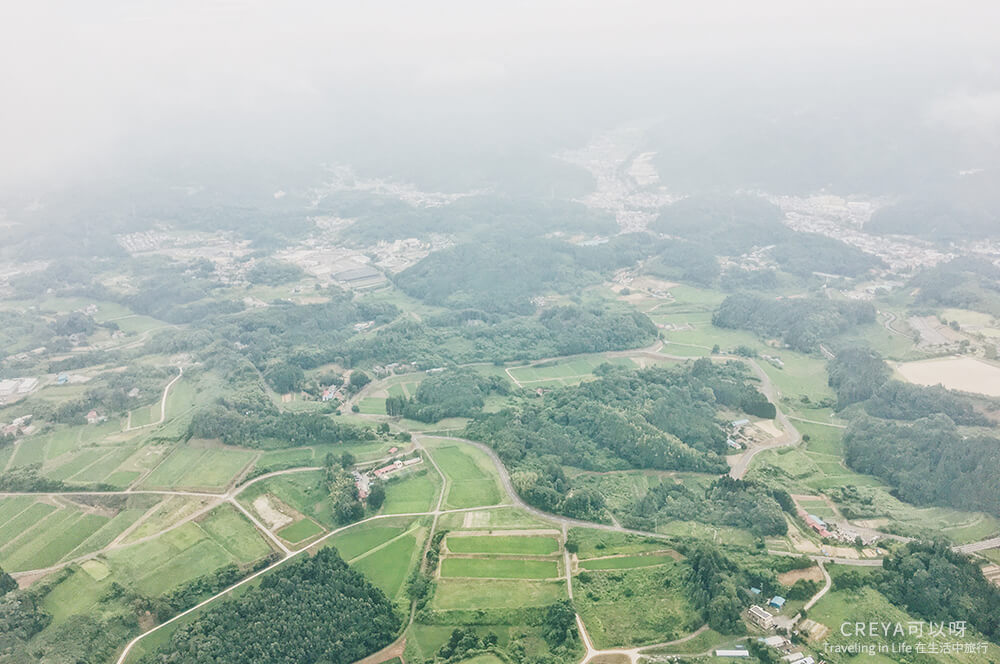
Having returned to busy city life, my connection with nature had grown distant. Yet upon first seeing Fukushima, all those feelings rushed back at once. Even though I had never visited this land before, reuniting with that version of myself who lived among the trees—that was a knowing smile of recognition. It had been so long.
Fukushima sits in the northeast of Honshu. During that hour-long drive west from the airport, the landscape outside shifted between farmland and green forest. The occasional houses we spotted were mostly farmhouses. ‘What a natural place, full of fields and woodlands’ was my first impression of Fukushima. It reminded me of Taitung, a place I stubbornly refused to leave—the kind of earth suited for slipping away to rest quietly, where you walk at a slow pace through the pure space nature provides, with no deliberate plans, yet your mood gradually relaxes with each step.
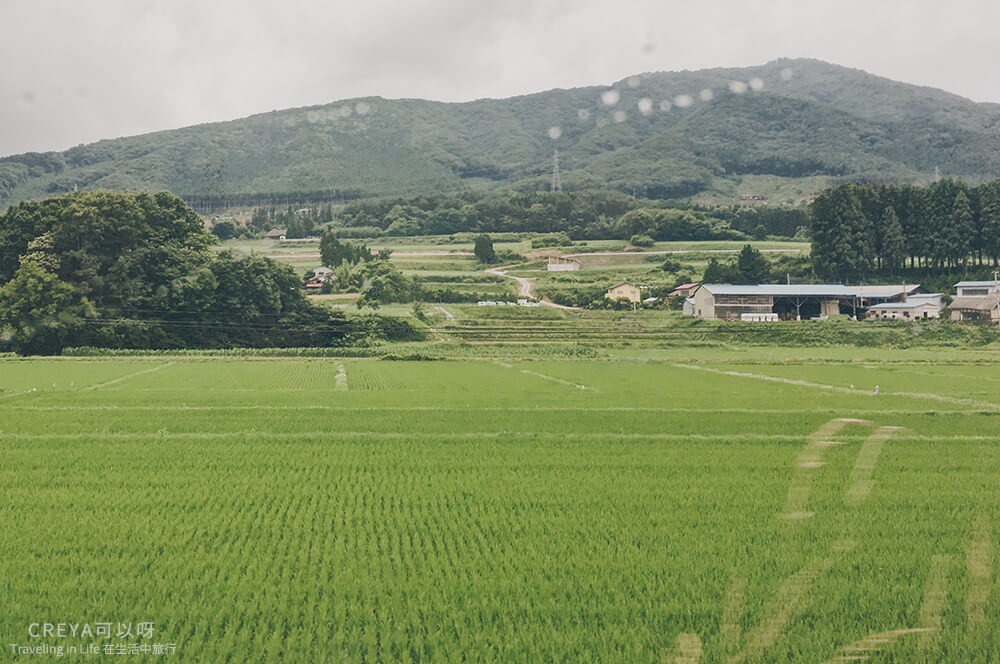
Is all of Japan’s northeast like this? I had visited Japan nearly ten times yet had never actually seen the Tohoku region. Thanks to an arrangement by the Fukushima Prefecture Tourism Bureau, I finally had the opportunity to explore this part of Honshu. Following the mountain and forest paths that others had walked before, I wanted to feel the vitality accumulated on Fukushima’s land—a starting point for hiking in Japan and opening a dialogue with this northeastern region.
Mapping Out Fukushima
Fukushima Prefecture is vast, with an area one-third that of Taiwan’s main island, ranking third in Japan. However, this first acquaintance with Fukushima lasted only five days and four nights—barely a fleeting encounter.
To sketch the full picture of Fukushima—a land rich in nature, culture, and local products—from just a small corner would hardly be fair. Yet from what I observed and the especially profound moments during this trip, I’ll share the Fukushima I encountered. This map is my guide:(You can zoom in to view the route on the map. Click the icon in the upper left to expand all waypoints and toggle the items you wish to display.)
Next, I’d like to share eight memorable moments from my Fukushima journey:
Tajimi Town: More Than Just Trains
It wasn’t until later that I realized Tajimi Town was a major Fukushima landmark for many Taiwanese visitors, especially among train and photography enthusiasts. It was the same for me, except my memory was on the mountain—an afternoon when local forest guide Ms. Watanabe told stories of intertwined life in the woods.
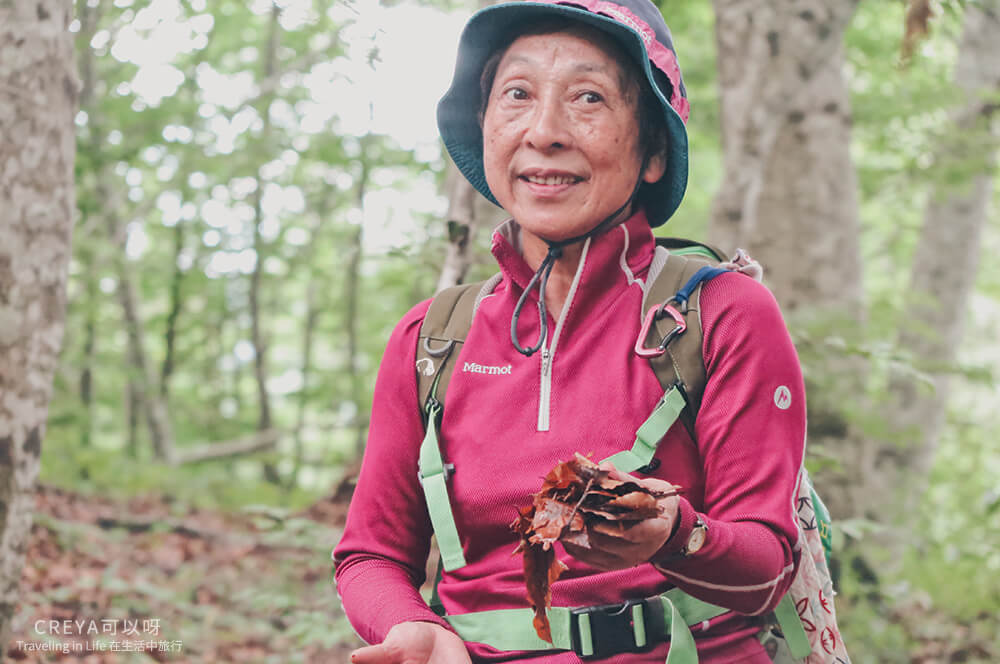
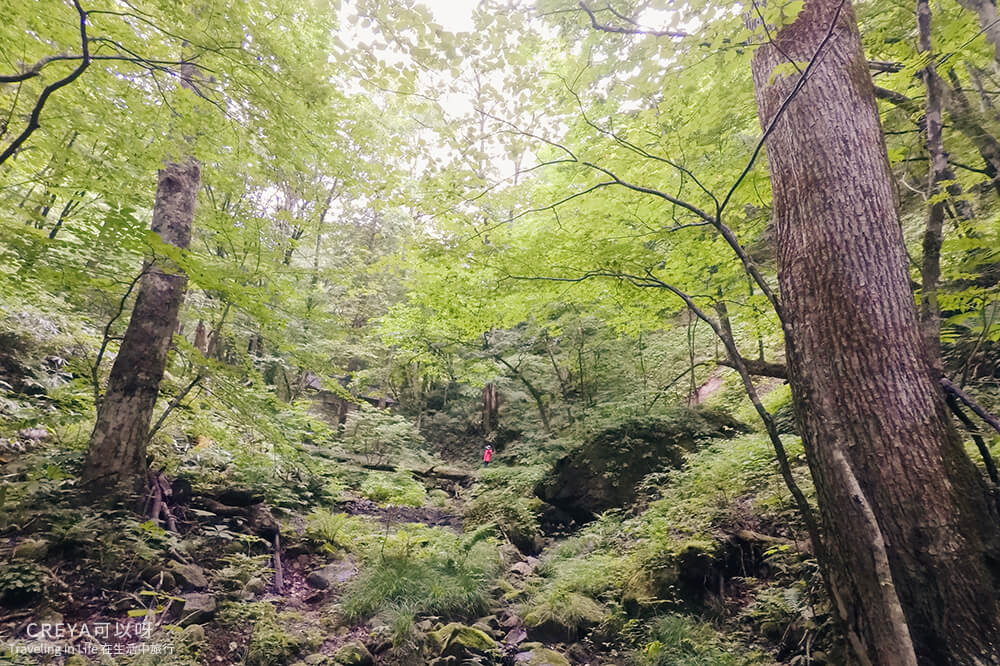
The forest is called the Healing Forest (Iyashi no Mori in Japanese), located at the border between Tajimi and Kaneyama towns. Beech trees are the most common species here, and the name perfectly captures the feeling upon emerging from it—it also mirrors my impression of Fukushima: quiet and unassuming, yet brimming with vigorous, determined life at every turn. Serene and lush, it became my favorite part of the Fukushima trip.
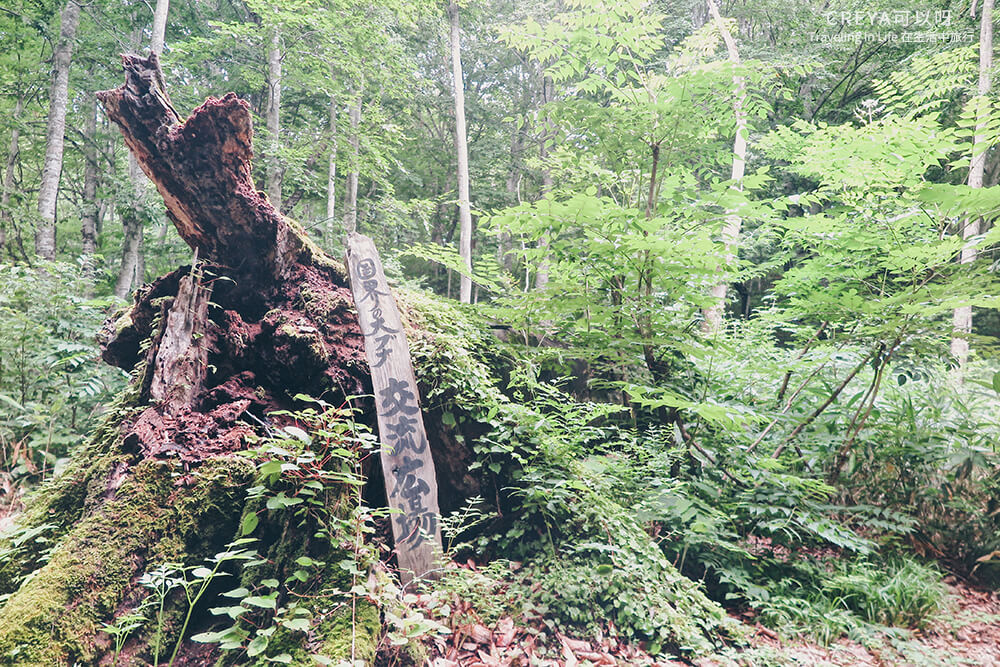
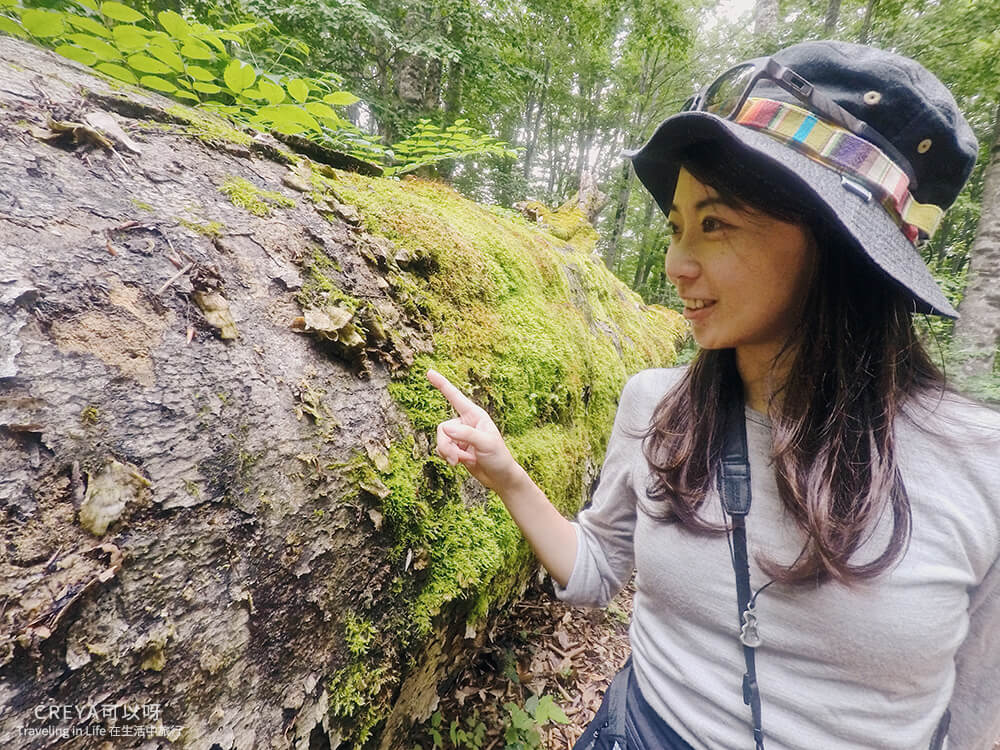
→ Learn more:| Walking in Japan’s Tohoku | A Lesson in Life at the Healing Forest: Hiking in Fukushima’s Tajimi
Yanizu Hot Spring Town: Where Mist Drifts Across the River at Sunset
After finishing the hike at the Healing Forest, we moved to Yanizu Hot Spring and stayed at Seoryū no Yado. Yanizu is near the popular photo spot for the Tadami Line trains, and according to the inn owner, they frequently host Taiwanese visitors coming to photograph the scenic railway.
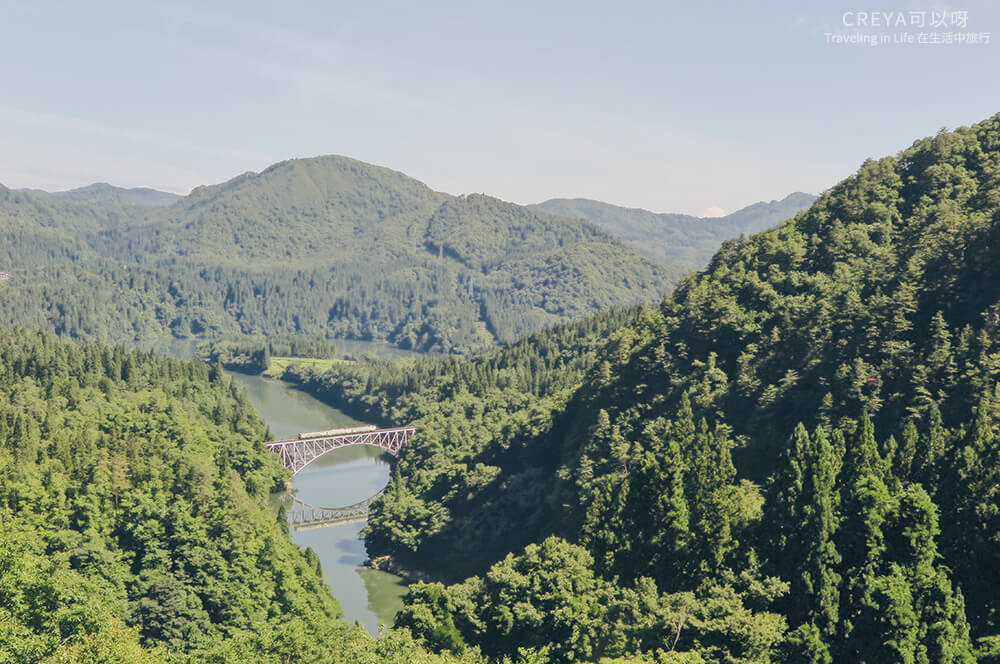
The Tadami Line’s scenery: now synonymous with Fukushima itself
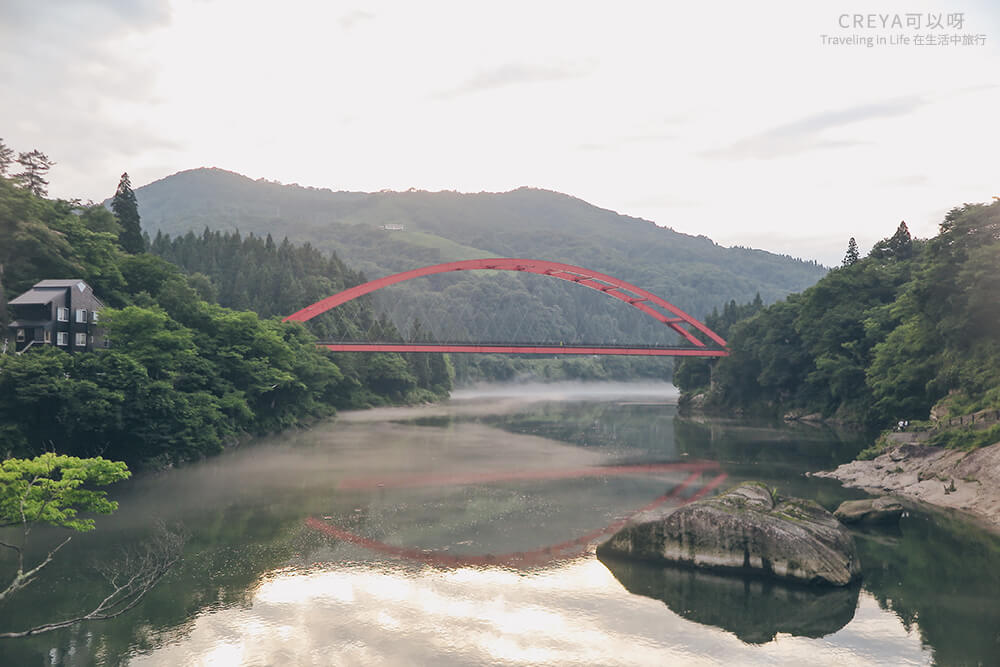
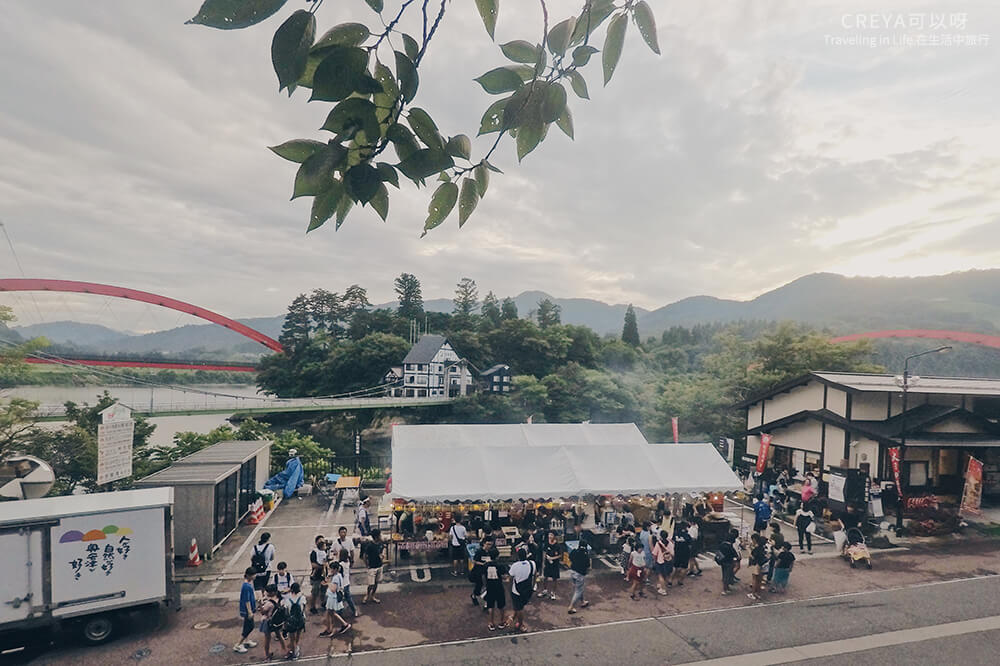
We happened to arrive during the annual Dainichi Nyorai Festival. Though the formal ceremonies had wrapped up during the day, the festival stalls opened in the evening. We strolled along the pathways beside the Tadami River, heading toward Enzoji Temple where the festivities were held, passing through the hot spring shopping district.
Sunlight hugged the river, casting a bright yet gentle warm glow. Thin wisps of mist rose from the water in the distance, as if summoned by a Harry Potter wand, gathering all my daytime thoughts and quietly spreading outward. It was the pulse of nature—soundless, quietly overflowing with life.
The Enchanting Tatami Aroma of Doyu Hot Spring Town
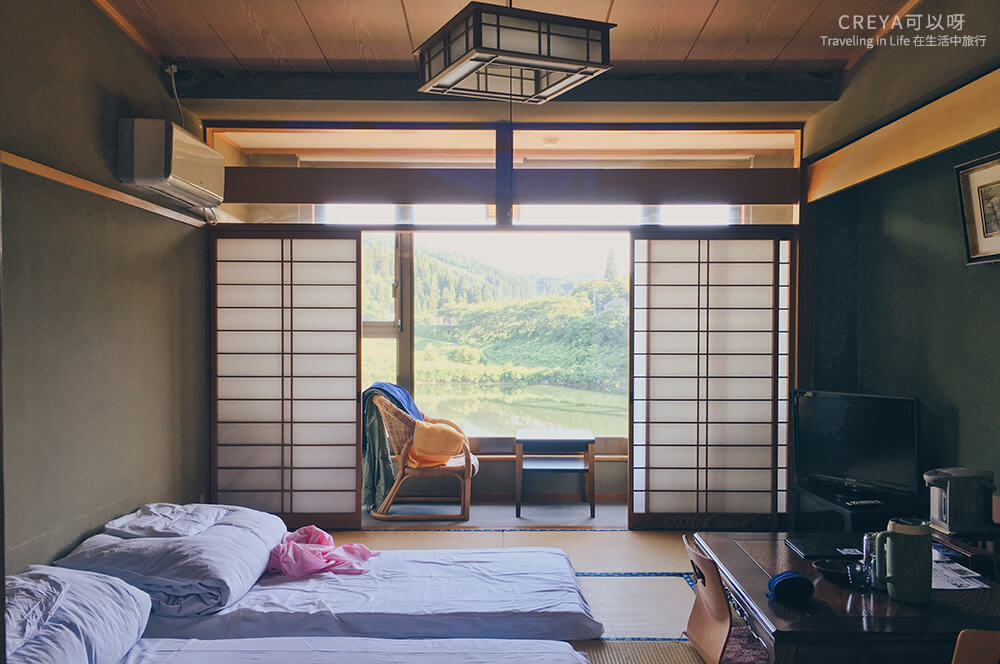
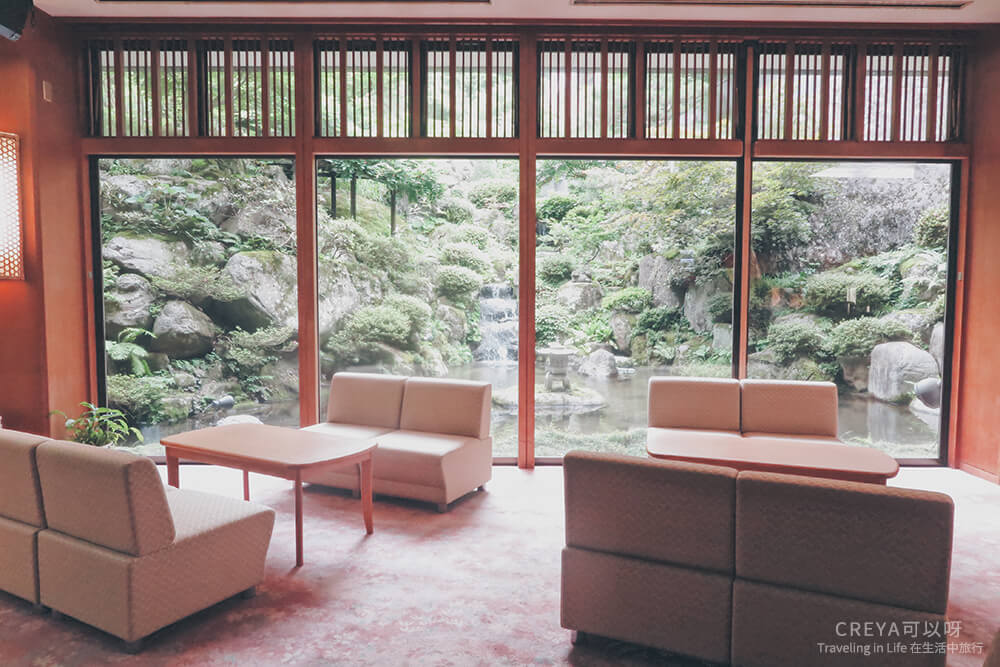
Opening the shoji door, my gaze traveled from the yellow-green tatami mats beneath my feet all the way out the large glass window to the mountain slope beyond. The rich fragrance of rush grass filled my nostrils, nearly convincing me this was an entrance to a hidden garden. This was actually my first night in Fukushima. Staying at Sansui-so hot spring inn proved to be a beautiful start to my Fukushima journey.
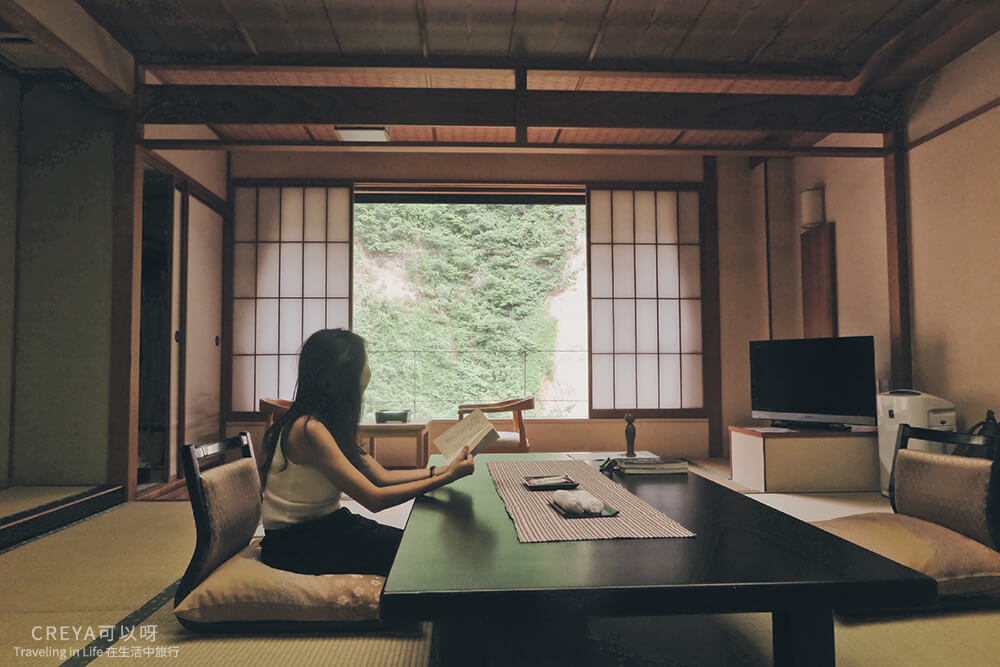
That fragrance lingering in my breath haunted me even after returning to Taiwan, so I ended up installing tatami mats on an empty patch of my living room floor—everyone needs a shopping excuse, right?
Creating a Mischievous Kokeshi Doll
Stepping out of Sansui-so, Doyu’s shopping district is small but holds tasty treasures (that dense, rich pudding was divine!) and charming cultural finds worth browsing through slowly.
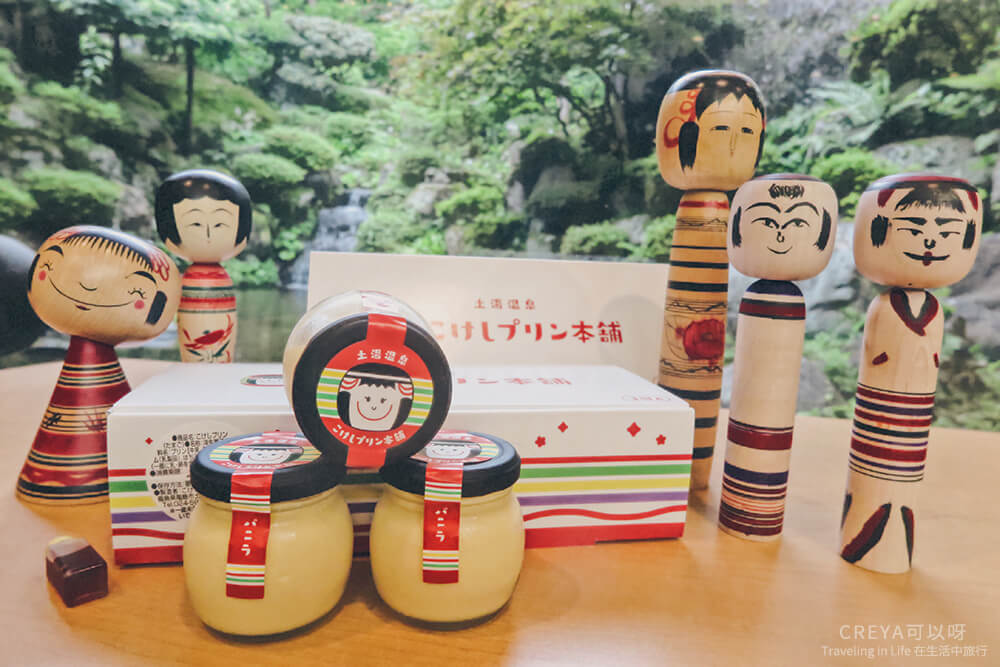
Doyu’s delicious pudding, featuring the kokeshi doll logo on top
We stepped into a small shop lined with hand-painted wooden dolls and pottery. At the door we were greeted by warm smiles from a lively elderly couple. These wooden dolls are kokeshi, the traditional dolls of Japan’s Tohoku region, and Doyu Hot Spring is one of Japan’s three great centers for kokeshi making. You don’t need professional training to paint your own kokeshi while enjoying the hot springs—a chance to briefly connect with Japanese traditional craftsmanship.
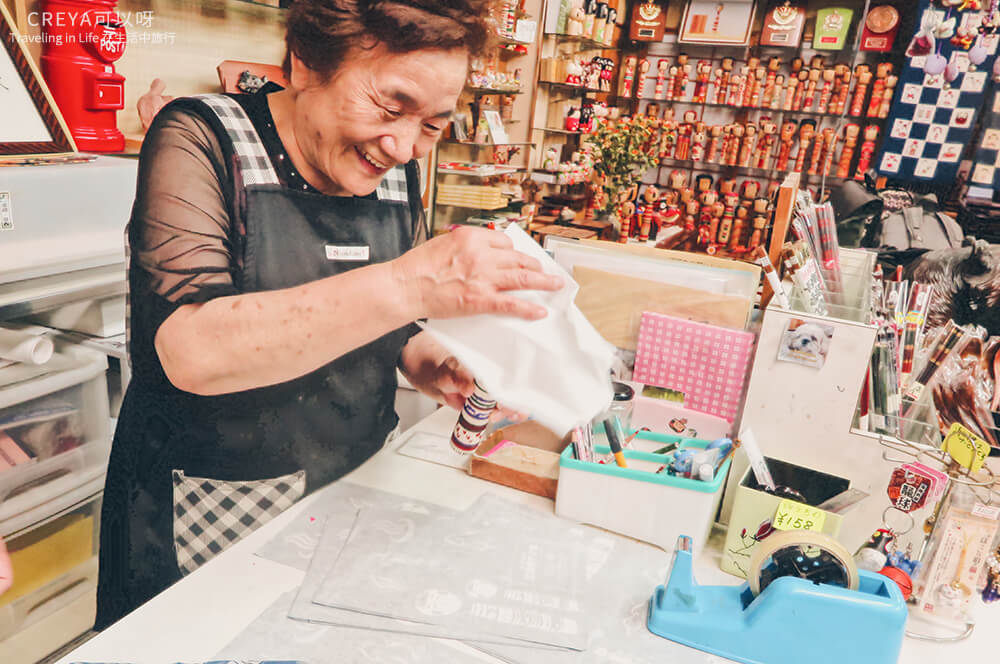
‘In ten more years, you’ll be painting kokeshi just as skillfully as these masters,’ the owner said cheerfully. I looked down at the little monster kokeshi I had accidentally created and swallowed hard.
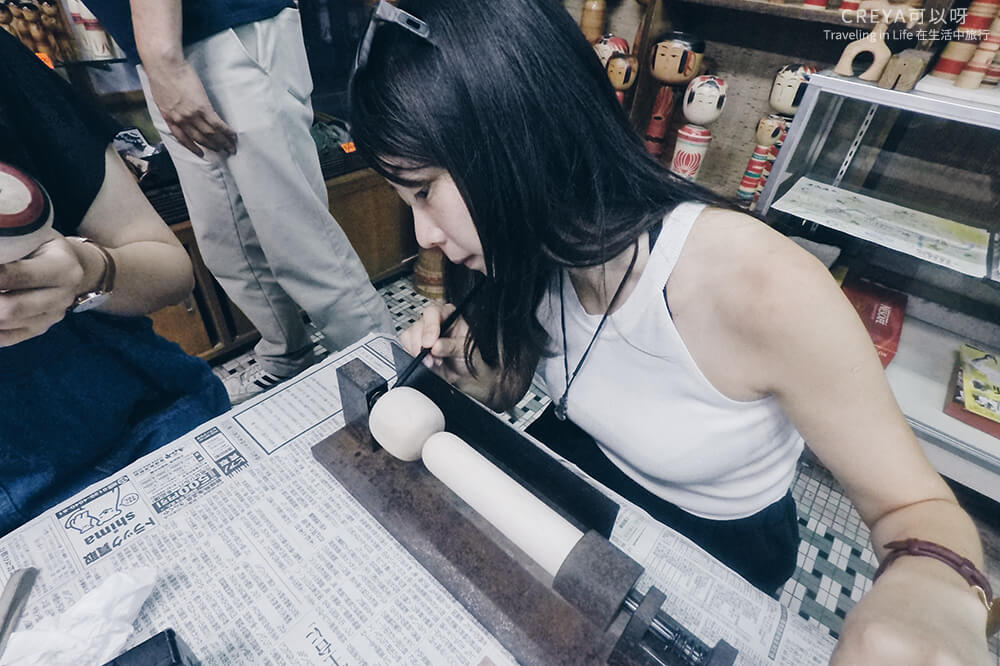
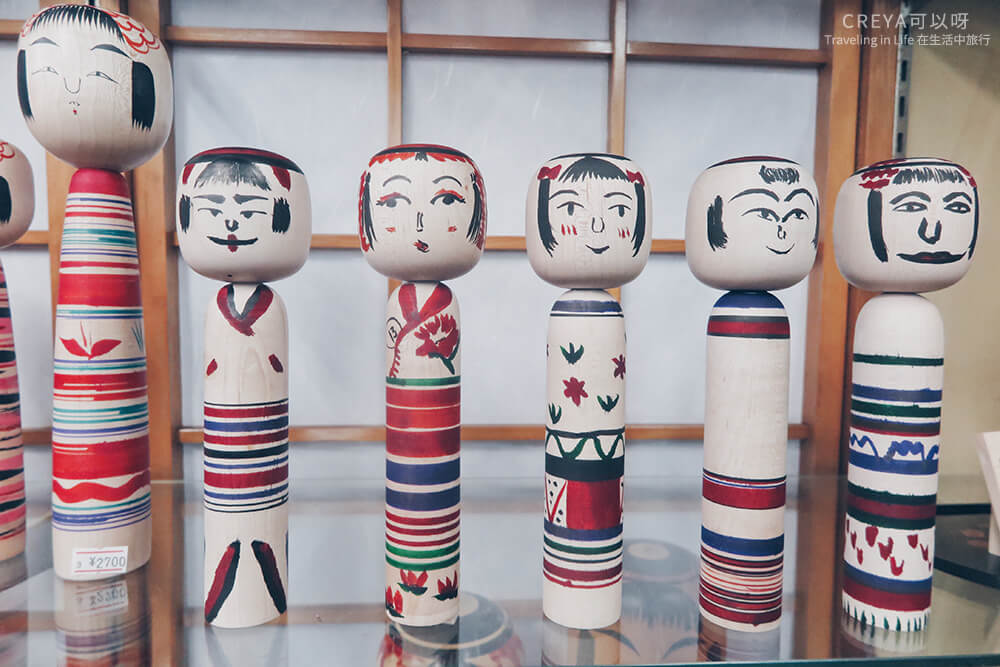
The one on the left was painted by the master. Can you tell which one is the little monster I created? (Maybe I should just go study for 10 years.)
→ Learn more:| Walking in Japan’s Tohoku | Painting Your Own Traditional Japanese Kokeshi Doll in Fukushima’s Doyu Hot Spring
Kitakata’s Historic Shops: Carriers of Local Experience
‘Kitakata is a city in the northern part of Aizu in Fukushima Prefecture, Japan. It is famous for Kitakata ramen,’ Wikipedia says. But Kitakata, nestled in resource-rich Japan’s Tohoku region, offers far more than just ramen.
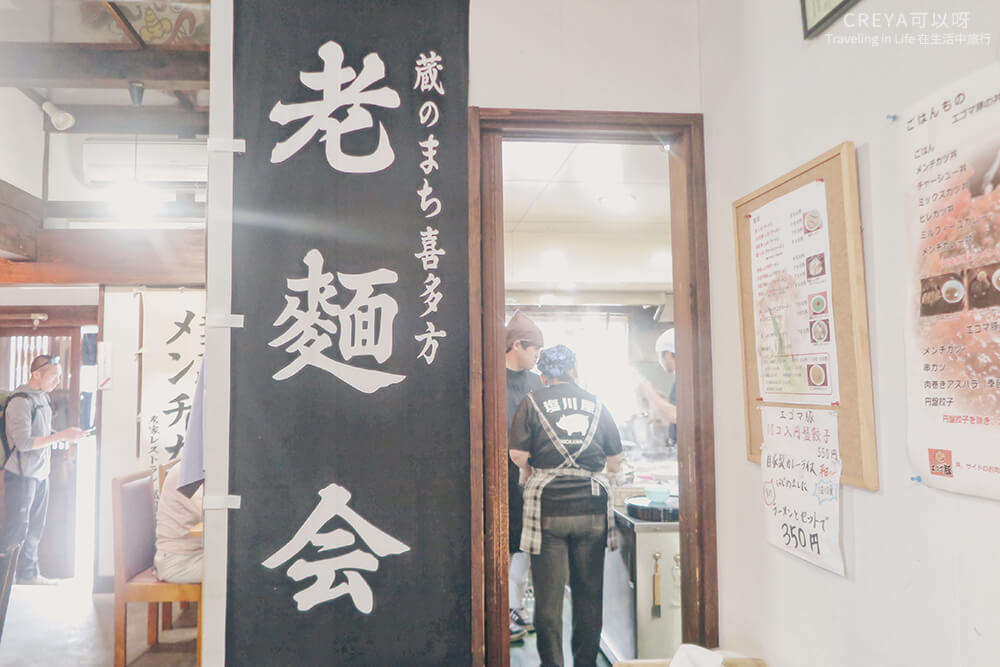
We visited a century-old sake brewery to taste locally crafted sake made from spring water from the Iide Mountains. We ordered a bowl of Kitakata’s signature ramen, simmered with salted fish and featuring a fresh, sweet, clean broth—it remains the only Japanese ramen I actually miss. At Yamanaka Senbei Honten, which opened in 1900, the three green rice cracker blanks we decorated for the experience got their color from added mugwort.
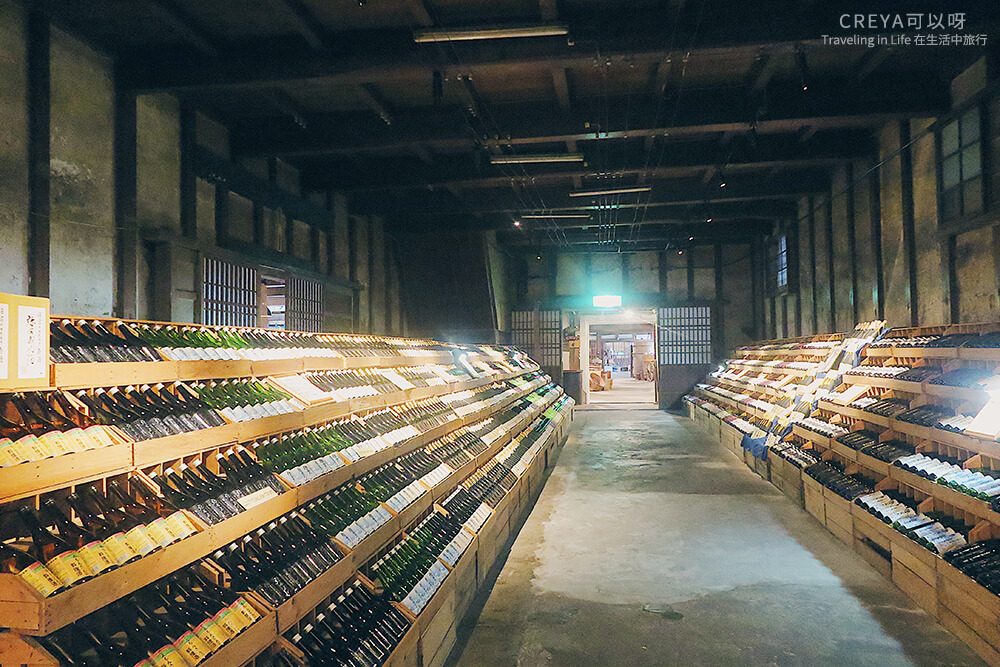
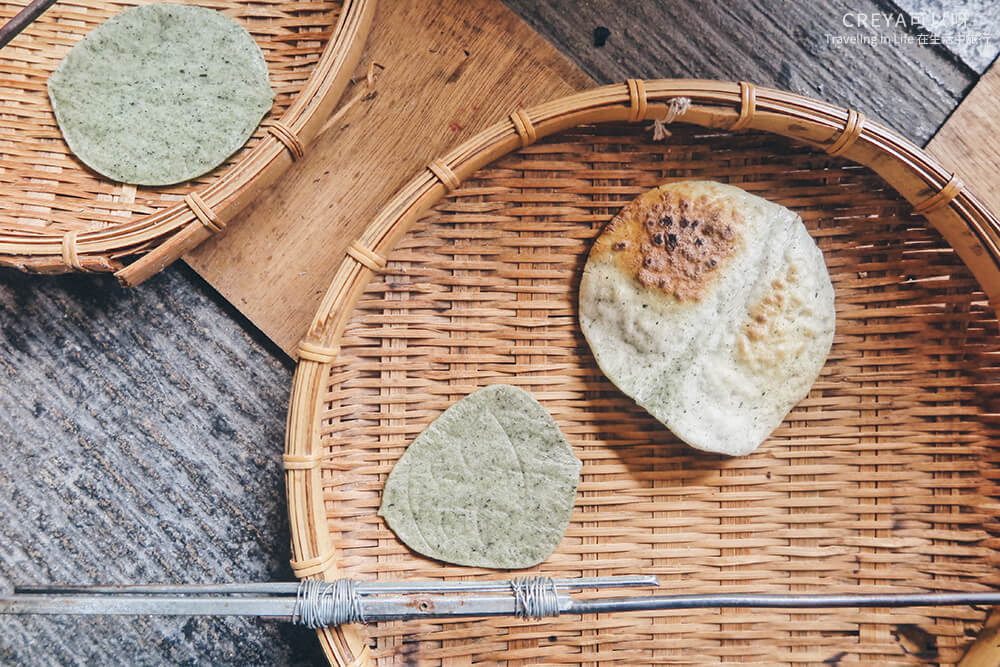
With the flavors of this land’s mountains and fields added, though we were in the city, our spirits drifted back to distant places.
Oguni Marsh: Fields of Golden Flowers and a Mountain Cabin
During the hiking days we had planned for Fukushima, we hit the outer bands of a typhoon, keeping the weather unstable for all our outdoor activities. We had to cancel a mountain hike we were really looking forward to. The hike to Oguni Marsh helped ease the disappointment of not reaching higher elevations.
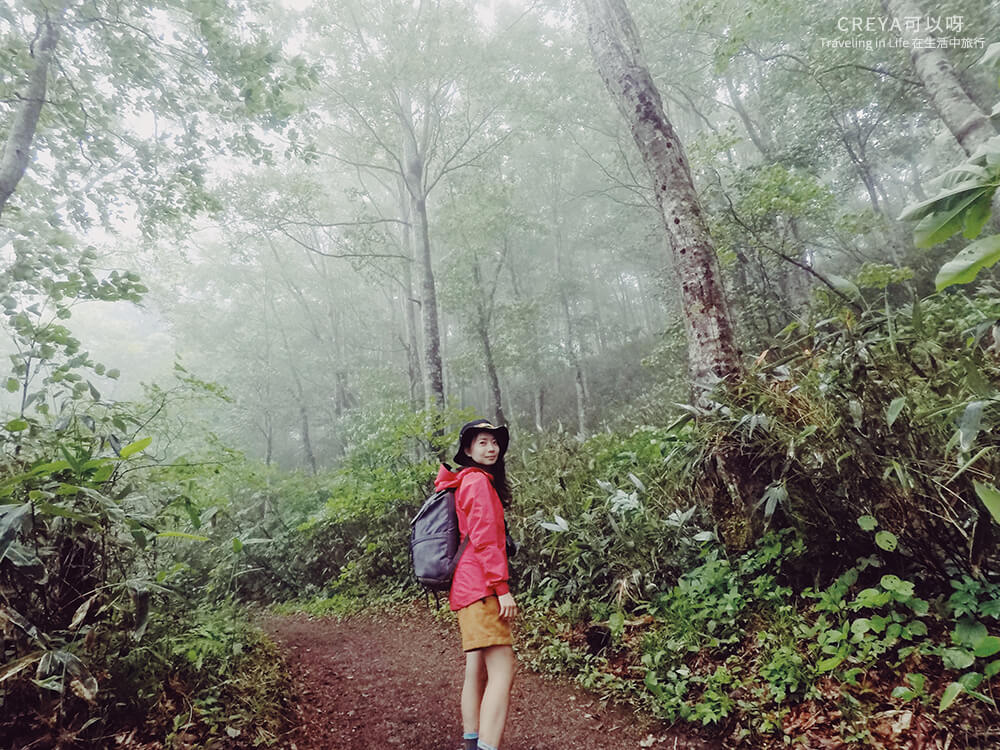
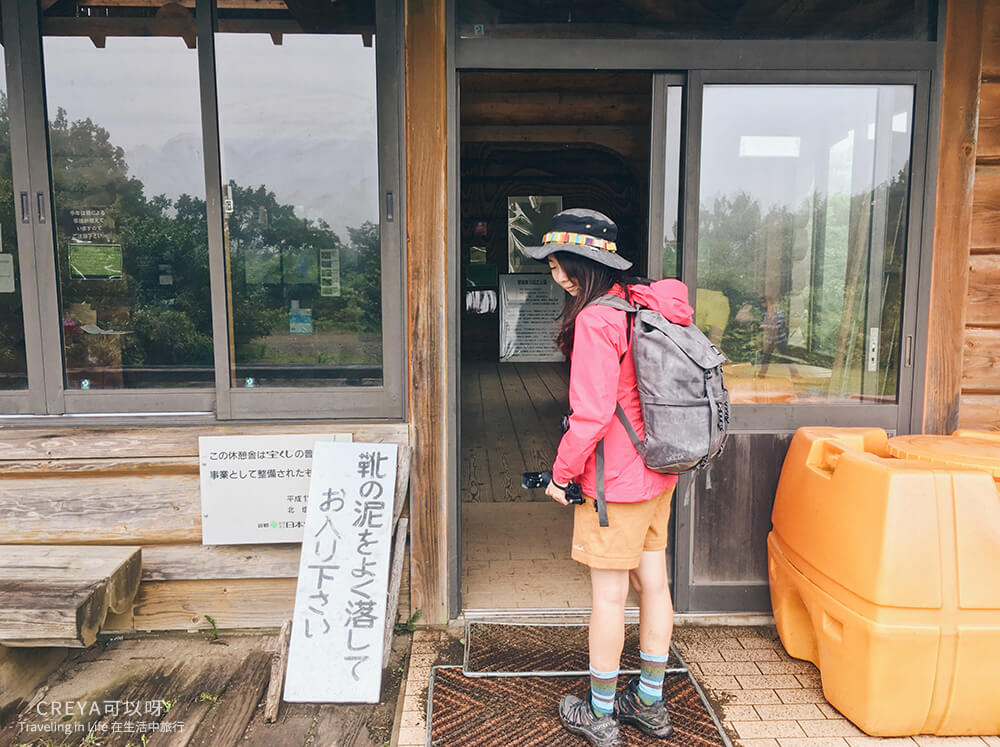
A two-hour uphill hike from the Oguni trailhead—3.3 km one way to the wetland boardwalk entrance, with plenty of time for slow walking and photos—mostly over natural trails in their original state. Before reaching the marsh full of golden needle flowers, the route passes the Oguni Marsh Rest House, appearing elegantly amid the misty forest like a gingerbread house—unreal. It offered sweet comfort to weary bodies needing rest and hearts hoping to escape the rain.
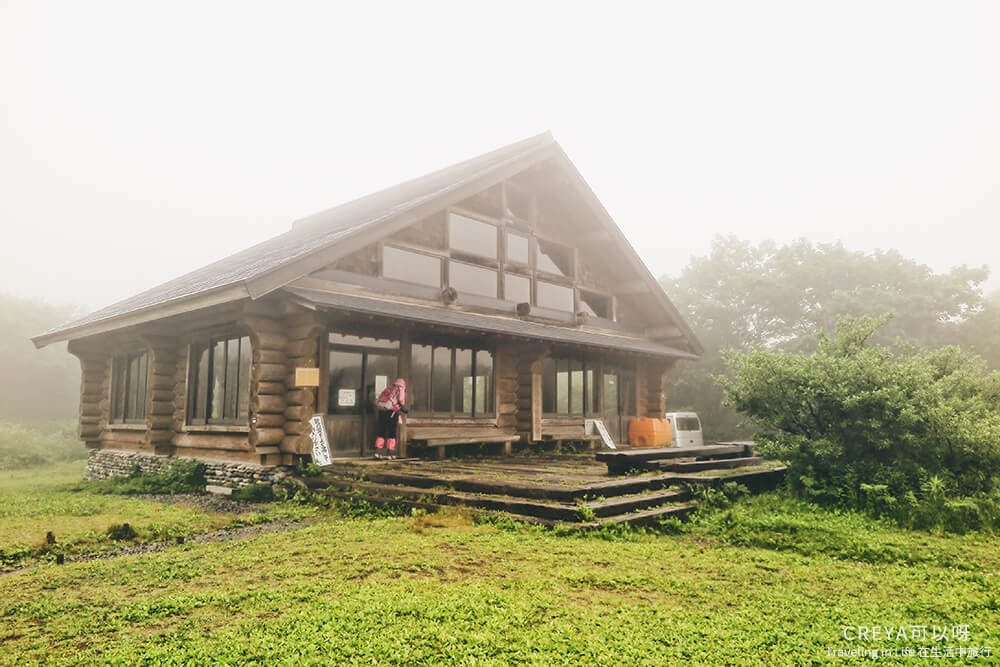
The wooden structure’s interior and exterior spaces are simple and solid. Before entering, you must remove the mud from your shoes. Though it was wet outside, the indoor floor stayed clean. The space is open and uncluttered, providing hikers with basic shelter and rest.
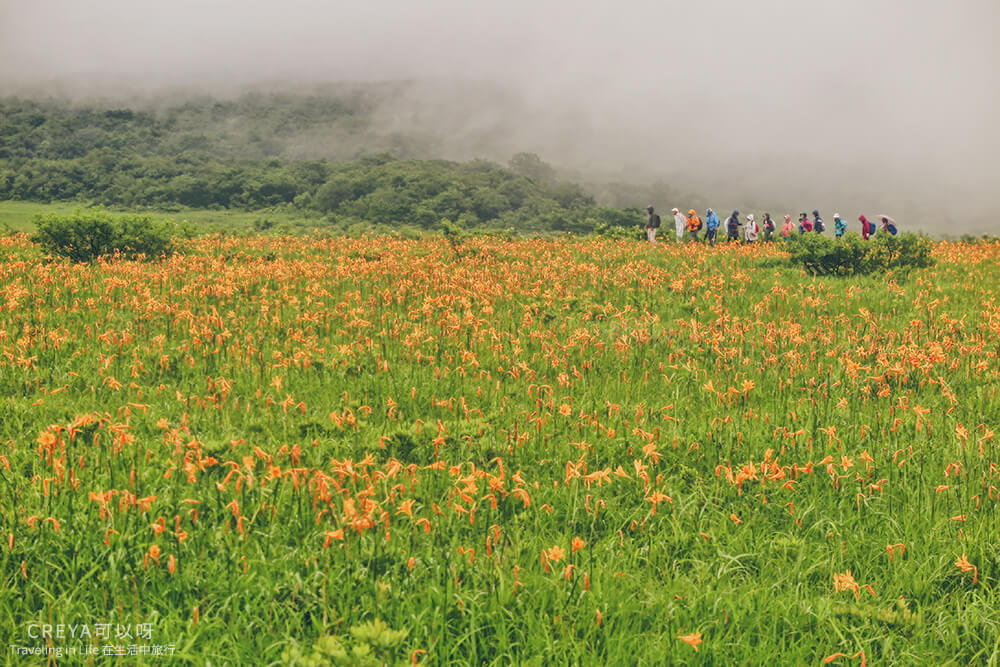
The golden flower field at Oguni Marsh lay just beyond the rest house, scattered cheerfully across the gray-white misty wetland, looking even more vibrant for it.
Hiking Among the Five-Color Lakes of Urabandai
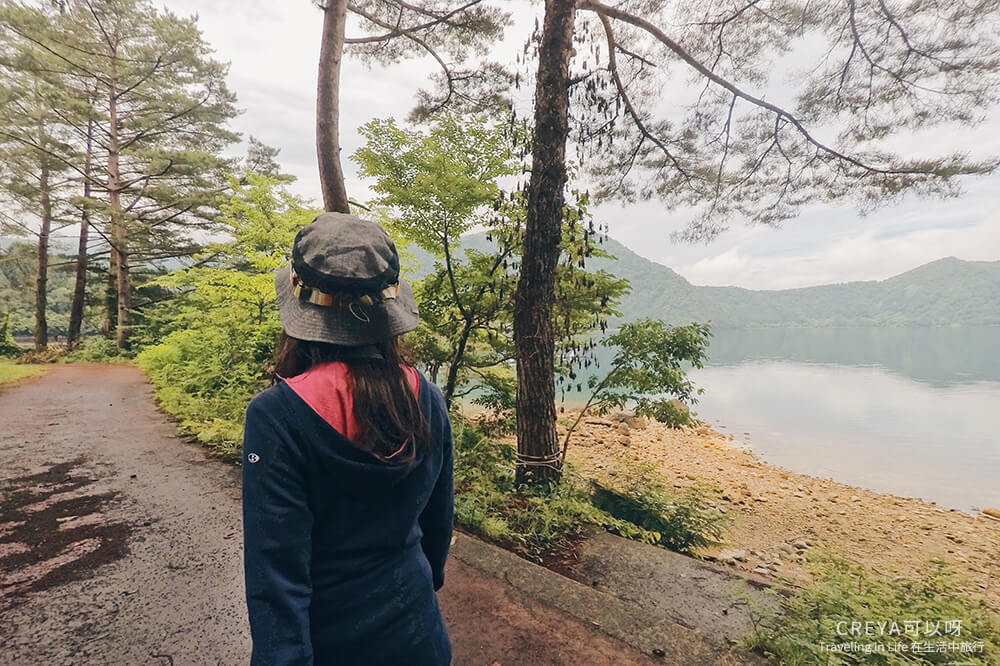
Walking the Goshikinutuma Nature Trail, you can view seven lakes formed after the eruption of Mount Bandai—perfect for an easy post-meal walk. The path is aptly called a ‘trail’ rather than a ‘hiking route’; the entire 3.6 km has virtually no elevation changes, like strolling through a park, quietly browsing the forest with minimal effort.
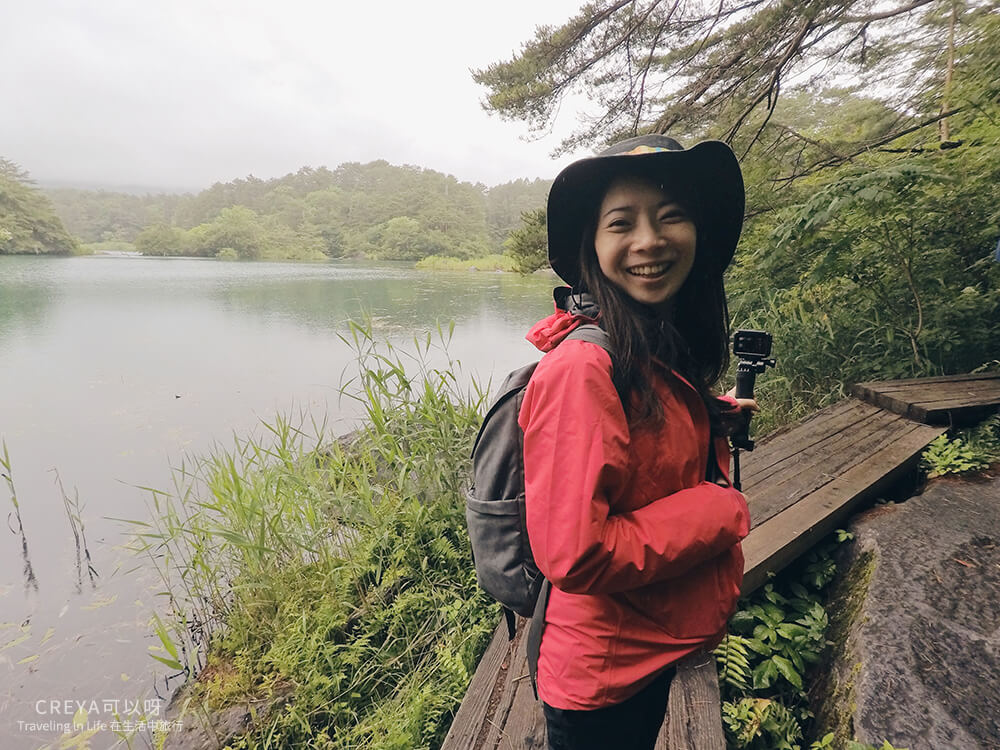
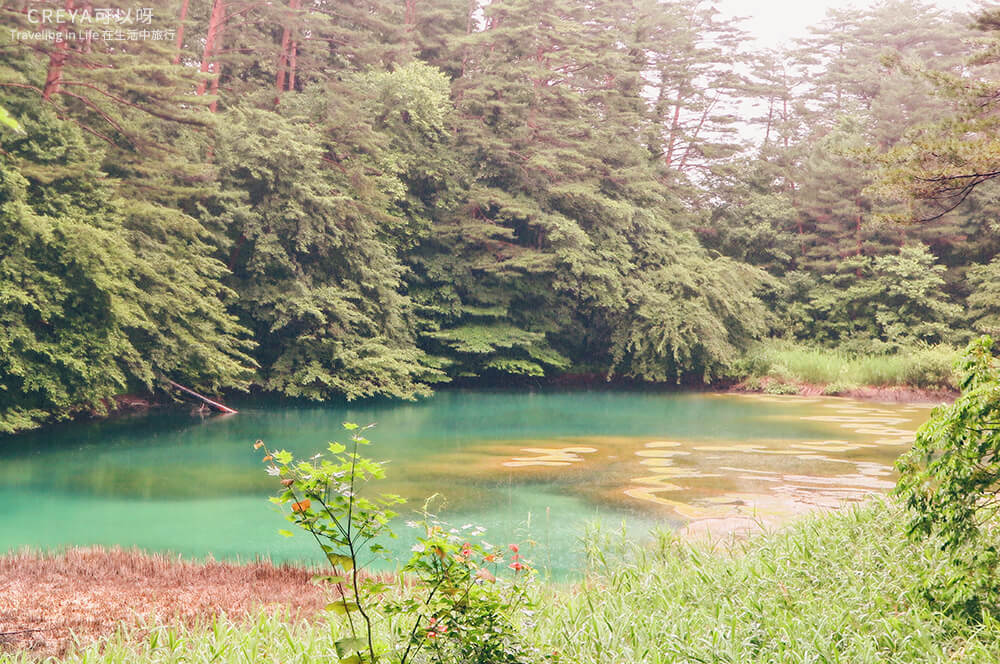
The spring water that emerged after the volcanic eruption is mineral-rich, so the lake surfaces are said to reflect different colors depending on the time of day and how sunlight refracts through the weather. However, this was my first visit to the Five-Color Lakes, and it rained almost the entire way, so I only got to see one color: ‘rainy day.’ I’ll save discovering the five colors for my next visit—or the one after that!
Tatsuosawa Fudo Falls: Serenity Amid Thunderous Water
Our car wound through mountain roads, the dense forest on both sides signaling we were heading deep into the hills. A small parking lot connected to a quiet, lush trail. Walking upstream against the gentle stream flow, within ten minutes the soft babbling was replaced by a thunderous roar.
Standing before the cascade hidden in Mount Bandai, massive water poured down without cease, growing more intense with each moment and distance, constantly transforming in the light. Staring at the violent crash and watching it transform into mirror-smooth trickles, time itself seemed to stop.
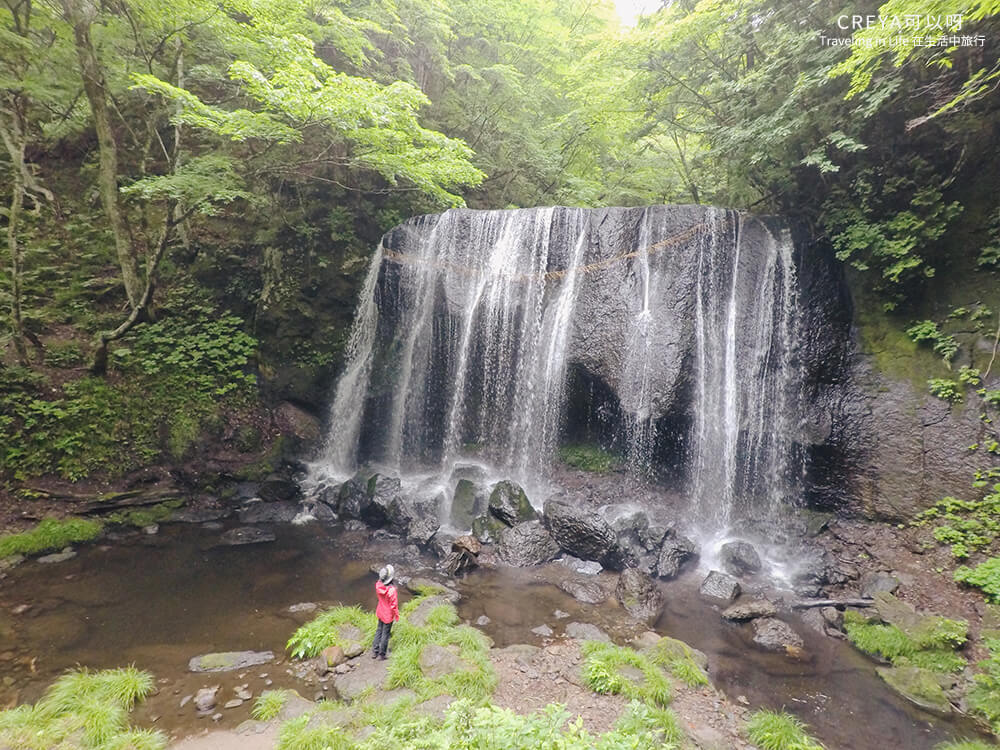
Few people visit, and it feels solemn and quiet. Before heading back, we passed the small Tatsuosawa Fudo shrine beside it. Turning for one last look at the falls, I suddenly wondered how long it had stood here, and how far those water droplets had traveled to reach this point.
Walking back to the parking lot with the sound of the falls gradually fading, I knew Tatsuosawa’s journey extended far beyond what I could see.
See It for Yourself
Each time we left our lodging for the next town, or stepped out of a small restaurant or shop, ‘Please come back and visit Fukushima again’—the same heartfelt wish from everyone we met during those five days. What the people of Fukushima, who experienced such profound change, truly want is simply to return to their normal lives. They hope the outside world will stop viewing them with pity, and they wait for their hometown to become vibrant once more.
During those five days, I did look for traces of the disaster, but the popular Fukushima tourist destinations weren’t in the coastal areas where it occurred. The impact had diminished sharply with distance and time, and nowhere we visited was on any alert list. Everything felt gentle and peaceful, with resilient life sprouting everywhere. This journey actually kindled my enthusiasm to explore more of Japan’s Tohoku region.
I still believe that only by visiting in person can you truly understand the unknown without being clouded by partial perspectives. This Fukushima I’ve come to know on foot is proof of that.
If you’re interested in learning more about Fukushima, you can follow the official Chinese-language Facebook page run by the Fukushima Tourism Bureau:Japan Fun Travel – Fukushima GO GO GOto get travel information. If you have questions during planning or need help with Japanese for accommodation bookings, join theJapan Travel LINE Communityto receive free assistance.


