

When I was preparing for the 3,000-kilometre Te Araroa Trail in 2016, I had little idea what long-distance hiking involved. Facebook groups answered most beginner questions, but women’s private, female-specific realities were rarely discussed. In a male-dominated outdoor world, many women ask quietly in private—as I did.
I searched Google for women’s hygiene and wilderness toilet advice, but the little information was cautious and vague. No women in my circle did outdoor activities, so I relied on travel experience, educated guesses, and a willingness to improvise.

After six months on New Zealand’s Te Araroa, two months and 1,000 kilometres on Japan’s Michinoku Coastal Trail, and several multi-day hikes, I gradually built ways to handle women’s needs. Hiking is also a way of life: the gear that rebuilds and simplifies daily routines carries our culture, gender, personality, and life experience on our backs.

On the trail I met more women enjoying the mountains, rivers, and sea in their own ways. “In front of nature, we are all the same.” The outdoors does not belong to one gender; we walk with the qualities we have and embrace the situations women must handle.
Based on my own experience, here are six everyday concerns women may have in the wilderness, together with what worked for me. I hope this gives women who hesitate to try hiking something to consider and adapt to themselves.

This article focuses on concerns more common among women: underwear and cleaning, clothing, makeup and skincare, toilets, and menstruation. The situations everyone faces can wait for another conversation.
內衣著和清潔
On day ten of my Te Araroa hike, I travelled with M, a Belgian woman I met on the trail. Five days had passed since our last town rest day, and we crossed nearly 30 kilometres of valley track—actually a riverbed. Our feet never dried and our shoes were always soaked. Near sunset we reached high ground beside the river and camped. In the morning, sunlight lit the gravel bank and the creek that had sung us to sleep glittered as it flowed west.
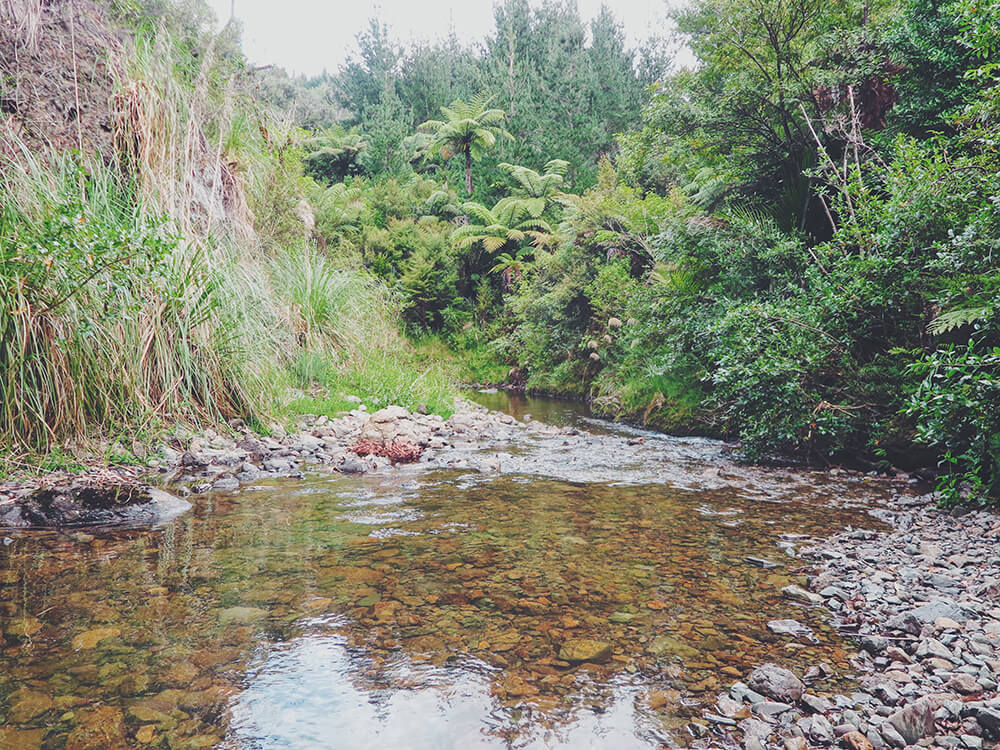
We laid yesterday’s soaked shoes and socks out to dry. “I wanna take a shower,” M said. “Would you like to join me?” Before I could answer, she stepped into the shallows in her underwear and washed from head to toe. I timidly wiped myself with a wet towel, thinking of an old Chinese fairy tale in which a cowherd hides a fairy’s red robe while she bathes. I kept looking around for a cowherd (which kind?) spying on us. M had probably never heard the story, which was why she could bathe so freely.


That morning’s wash was blissful, clearing away summer residue and letting me rinse clothes worn for days. But river baths are rare. Most of the time I carried and rationed even drinking water, and nearby water was usually too cold to touch. Washing with water is a luxury; clothes accumulate sweat and smell until town.
For hikes longer than two days, I prepare as if there will be no water for washing. Hand sanitiser and wet wipes are essential. I use gel sanitiser throughout the day and before bed, wipe my face and body, use alcohol-free wipes for intimate areas, then change into clean clothes and sleep comfortably.

For a two- or three-day trip I can carry enough underwear to change regularly. On longer hikes, when I allow myself no more than three pairs, I use pantyliners to stay fresher.
Choose a soft, skin-friendly liner. On Japan’s Michinoku Coastal Trail, a Taiwanese brand rubbed painfully during the first 26-kilometre day; a softer local version solved it. Liners are less breathable than changing or washing underwear, so frequent replacement is only a compromise for long hikes.
Some outdoor brands make women’s underwear from merino or moisture-wicking fabrics. Most hiking bras have no padding, so I still have not found my perfect one. A medium- to high-support Nike sports bra breathes well when I sweat, though after several humid days it develops a memorable smell. I choose seamless, lightweight underwear to reduce friction from the pack hip belt.
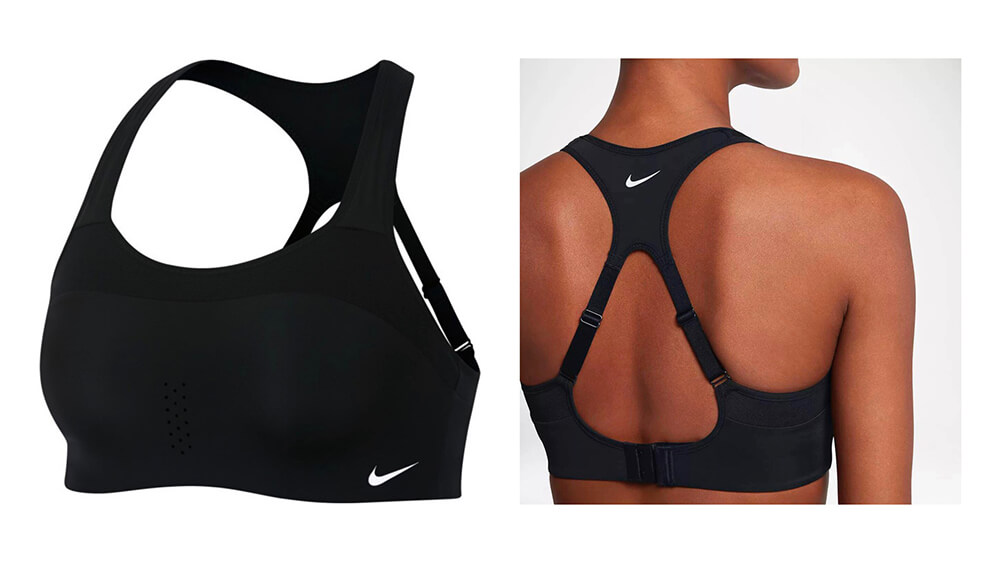
(圖片來源:Nike.com 台灣官網)
服裝穿搭
When every item in your pack is measured in grams, basic living and safety come first. Pretty and luxurious choices wait until your muscles have spare capacity. Fortunately, outdoor brands increasingly combine performance with lighter weights and better design.
Pack volume and weight are limited, so after warm layers, a rain shell, and one guaranteed-dry outfit, I use small accessories—hats, bandanas, neck gaiters, hair ties, socks, short gaiters, even a hiking skirt—to add variation without much weight or space.


(圖片來源: Dirty Girls Gaiter 官網)
妝容與肌膚保養
除了女生在意的服裝穿搭,若平常習慣上妝的女生,在從事戶外運動時總必需在「自己喜歡的樣貌」與「肌膚透氣和汗水暈染」間做抉擇,再加上多天數徒步這個需把背包重量納入考量的前提,化妝品似乎成為必須捨棄的選項。
過往要參與路跑賽事或是出發一兩週的旅行前,我都會趕緊預約做接睫毛,讓自己即便無法在運動中頂著平時習慣的妝容,也仍舊可以看起來有精神。然而這只適用於一個月以內的行程,當時在 TA 上路前,我還一度有著要不要在紐西蘭尋找接睫毛店家的想法,但想到每隔三到四週就需要去修補一次維持密度簡直是不可能的任務,於是作罷,於是 TA 全程素顏的拍照結果,就是一些自拍或近拍容易獲得眼睛無神的不甚滿意照片。

之後國內外的健行,我還幾度試著挑選幾樣平衡過重量與重視度的化妝品塞入背包,事實上上路後往往只有出發當天著妝,接下來就會因為需早出發時間不夠、或擔心打擾到他人等種種因素,讓它們成為背包裡的無用磚頭,再且化了妝便要記得卸妝,無論是卸妝乳、或是卸妝濕紙巾,一個個都是重量。
於是在今年的日本東北 MCT 徒步前,我嘗試了紋繡隱形眼線和霧眉,將妝容中我最重視的眼部以類似刺青的概念,期待效果能更長時間的維持。隱形眼線的做法是在靠近睫毛根部的內眼瞼處順輪廓繡上眼線,一方面讓睫毛看起來更濃密,同時能調整眼型、並依眼皮厚薄增減堆疊的線條厚度,維持時間可到 5-10 年因此又被稱為半永久式隱形眼線;霧眉則會有著如畫眉毛的效果,還有另一種飄眉能製做根根分明、以假亂真的眉毛樣子,而最新型還有飄霧眉混搭得更自然做法,眉毛紋繡維持的時間約為 1-2年。

替我造型的上喬專業眉睫范老師提醒常照射太陽以及運動加速代謝,可能會讓紋繡較快退色,但即便如此,以年為單位的維持時效,對於長程的徒步來說已毫無憂慮,省下了時間和重量,且相較嫁接睫毛在洗臉與觸碰眼睛部位還需特別留心,隱形眼線和霧眉只需在出發 10 前完成、並於剛紋繡的前一週恢復期需照顧一下,等上路後完全無需對它花心思,但一年以上的時間它卻可以一直為我帶來自己喜歡的樣貌,紋繡對我來說是喜愛戶外活動女孩的好選擇。

對於一次就會長時間停留在臉上的紋繡,我花了不少時間猶豫與選擇,上喬專業眉睫的范老師在開始下筆前花了很多時間觀察我的臉型並討論眉型,專業的眼光和畫給我看的眉型令我很放心,完成的結果也非常滿意,讓我在 MCT 徒步時每日只要塗抹防曬油就算完工,同樣號稱素顏但多了隱形眼線和霧眉的自帶妝感面對鏡頭,獲得的照片刪除率大幅減低,是我很滿意的應對方式。
我的霧眉與隱形眼線店家:
上喬專業眉睫 Joy’s Lash & Brow Studio (位於板橋新埔捷運站)官方連繫粉絲團
▲ 范老師在看完這篇文章後也決定給讀者們優惠:若出示這篇部落格文章、或告知是看 Creya 這篇文章而預約的話,可以折價台幣 500 元。


With less makeup, my skin carries less weight and needs less care. Outdoors, the two big problems are dryness and sunburn, and sunburn can cause dryness. Sunscreen comes first; keep it in an easy pocket and reapply. I also wear a hat for physical sun protection, which doubles as an outfit choice.
Dry air and cold, dry moisture can crack the skin. I carry a little moisturiser or eye cream. For short trips I decant products into tiny bottles; for longer trips I use sample sachets, contact-lens cases, or small travel bottles. On the early part of Japan’s MCT, sea wind and dry air caused severe cracking, so I bought a lightweight toothpaste-style moisturiser locally.

野外如廁
Compared with women, men have an easier time urinating outdoors. Popular routes may have public toilets, but in the backcountry, going in nature is unavoidable.
The first Te Araroa section was 90 kilometres of open coastline. For two days alone, I nervously searched for a hollow in the sand and wondered whether a boat might see me. I considered buying a female urination funnel. By days three and four, I could use the outdoors more calmly. When circumstances demand it, habit becomes natural.

On forest sections of Te Araroa, I choose trees or bushes away from the main path and water, then act quickly. The harder places are busy tracks without toilets. Sometimes I wear a hiking skirt for a little cover; a rain jacket tied around the waist works too.
With a companion, we can keep watch for each other. On busier trails, a groundsheet, pack cover, or jacket can provide extra screening. If you are alone with a non-partner of another gender, choose someone you genuinely trust.


After urinating, women need toilet paper. I keep it and a rubbish bag where I can reach them quickly, then carry every used sheet back down the mountain and sanitise my hands.
For bowel movements, the Leave No Trace ideal is to pack out waste in a zip bag, or at minimum dig a hole in soil, squat accurately, cover it, and flatten the ground. A small trowel is essential. Carry toilet paper, wet wipes, a trowel, and a rubbish bag—and take the paper out with you.

度過生理期
Menstruation is probably the most specifically female concern, and every woman’s experience differs. If cramps or weakness are severe, stop and rest. Washing with water becomes more important, and using a pad can be complicated in the wilderness. I stop when I can, or plan routes with toilets.
For short trips, some women take period-delay medication (oral contraceptives). I used it occasionally while hiking in Papua’s rainforest and travelling in Komodo. For long-distance hikers, it can help schedule a period during rest days. One American woman on Te Araroa had an IUD inserted by a doctor to reduce bleeding and said it worked as hoped.
Most of the time I let my period arrive naturally and adjust the itinerary. If you normally use pads, tampons are more practical on a hike. If tampons are difficult, try an applicator style: it reduces friction and is easier to keep clean.

那麼我最長程的紐西蘭 TA 半年徒步裡又是如何度過六次的生理期呢?
My period never came while I was walking Te Araroa. I wondered whether I was undernourished: after finishing the North Island I took three weeks to travel and rest, and my period arrived in the third week. When I started the South Island it disappeared again, returning after I finished the trail and came home. Later, when M visited Taiwan, we realised we had both experienced the same thing.
後來與讀醫學相關科系的朋友聊起,認為有可能的原因是當時我的身體處在高度緊繃要面對環境各種變化的狀態,類似戰爭時期,因此身體將能量轉移至其他部分、認定此時不需要支援子宮;而另一個猜測則為當時雄性激素分泌較劇烈、女性荷爾蒙降低所致。不過由於當時回台灣後沒有立刻去婦產科檢查,正確原因也不得而知了。
(若妳有雷同經驗,我很期待能聽妳的分享與醫生的解釋)
Before I started Te Araroa, a woman posted that her period had stopped and asked whether anyone knew why. A man replied, “Are you pregnant? You know what you did on the trail.” After the argument, the post disappeared.
然而文章消失了,偏見還存在某處,女生走向戶外、徒步荒野間的道路還有段路要走,但我們都會前進的,用我們女生獨有的特質、也直視於我們必須面對的差異。

總整理以上我的經驗分享
/ 內衣著和清潔 /
• 乾洗手與濕紙巾為簡易清潔身體用品(男女都適用)
• 準備無酒精濕紙巾清潔女性私密處
• 無法攜帶足夠內褲數量可採用更換護墊的方式
• 內褲選擇排汗透氣的無痕款式
• 內衣選擇登山品牌的防臭登山內衣、或運動品牌的運動內衣
/ 服裝穿搭 /
• 先備妥應對天氣變化和一套乾燥的衣物再思考穿搭
• 可運用帽子、頭巾、脖圍、髮帶、襪子、短版綁腿、甚至健行短裙等重量輕體積小的配件做搭配變化
/ 妝容與肌膚保養 /
• 紋繡隱形眼線和眉毛在戶外也能維持妝感
• 以防曬乳與帽子防曬,防曬乳要記得補擦
• 攜帶乳液或精華乳等試用包,並以隨身瓶或多的隱形眼鏡盒攜帶填充
• 乳液建議選牙膏狀小容量包裝,用畢再添購
/ 野外如廁 /
• 心態慢慢適應野外如廁
• 登山裙或將風衣綁在腰上可於如廁時稍微遮蔽
• 有夥伴同行互相把風
• 小解可選擇有樹林、草叢遮蔽處,並要盡量遠離步道和水源,攜帶衛生紙與垃圾袋,上畢後用過的衛生紙裝於垃圾袋中帶下山
• 排遺以鏟子挖洞,排放於洞中後掩埋,上畢後用過的衛生紙裝於垃圾袋中帶下山(男女都適用)
/ 度過生理期 /
• 為避免生理疼痛、不適、以及方便衛生清潔與減少步道痕跡,生理期前三天能
• 停則停,或安排沿路上有廁所的路線
• 調經藥對長程徒步者方便掌握經期時間,對短天數旅程是偶爾為之的延經藥
• 棉條對經期期間私密處的透氣和清潔都有幫助
更多關於徒步裝備的舒適提升建議,可以參考 Creya 與 mybest 選物網合作的文章: 徒步愛好者推薦6款徒步旅程提升舒適度的戶外裝備,並且會陸續將使用的裝備紀錄起來,一同分享討論。


