


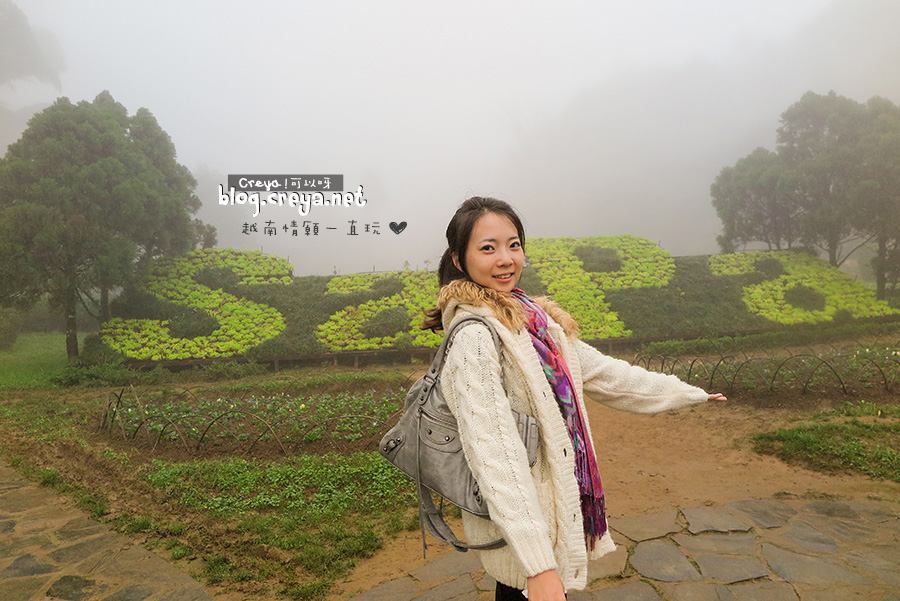
After playing hooky for nine days to travel around Vietnam and Sapa, whenever coworkers or friends asked how the trip went, I would completely gloss over the fact that I had abandoned my colleagues to fend for themselves (thank you, dear coworkers, for holding down the fort!) (if I don’t say it now, when will I get another chance?) and launch into a shamelessly enthusiastic recommendation.And I’m definitely not recommending it just because Vietnam Airlines and Hung Yi Travel invited me—if that were the case, I could simply say a few nice things online, right? (Apparently I’m playing Truth or Dare with myself.)The truth is, Sapa and the other places I visited in Vietnam were far more fascinating than I had expected. When Southeast Asia comes up, Thailand, Bali in Indonesia, and even Angkor Wat are usually the hottest picks, while most people know little about Vietnam’s uniquely diverse cultures and landscapes. It wasn’t until my first visit to Sapa that I discovered how closely you can experience the lives of ethnic minority communities here and peek behind the veil of a culture that had always seemed mysterious to me. What a surprise—and what a delight!

[ HAPPY! ]
Follow Creya! Before visiting Sapa’s attractions, here’s the info-packed cheat sheet you need to understand everything in seconds (well, thousands of seconds).
| Vietnam: I’d Rather Keep Exploring | In North Vietnam’s Sapa, You’re the Minority
Now, let me show you the nine Sapa attractions I’ve tucked away in my travel treasure chest. Time to start counting:
A Real-Life Dating Show Where Love Travels a Thousand Miles: The Love Market
The name “Love Market” sounds wonderfully romantic, and it is one of Sapa’s best-known attractions—rather like a five-minute speed-dating market for ethnic minority communities. Traditionally, on weekend evenings, people would make the long journey from their villages to the square in downtown Sapa to trade goods. Young people from cultures with a tradition of choosing their own partners would seize the opportunity to stage their own version of The Bachelor. Boys and girls aged 13 or 14 would gather in beautiful traditional clothing to sing and dance. If two people caught each other’s eye, they would quietly slip away to chat—and do whatever else… Let’s keep watching.
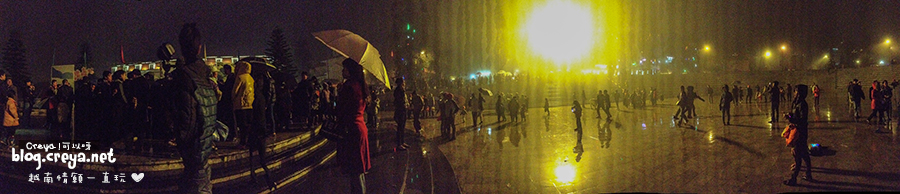
[ The crowd watching the Love Market gathers on the left side of Sapa Square ]
In reality, however, this tradition has become increasingly commercialized, and the actual market now occupies a separate area of its own (see the next section). Although young ethnic minority boys and girls still perform theircourtshipdance at the Love Market every Saturday, it’s now a case of no money, no dance: some people perform while others collect tips, essentially forming a troupe of street performers who solicit donations with gusto. The dance itself is fairly simple. If I had to describe it, the girls spin and spin and spin, while the boys hop around, squat down, and stand back up again (after a description like that, will anyone still want to watch?). You’ll probably finish with an inner “That’s it?” Still, it has a distinctive folk charm and is worth fitting into a spare slot if you’re interested. The whole stop takes about five minutes.
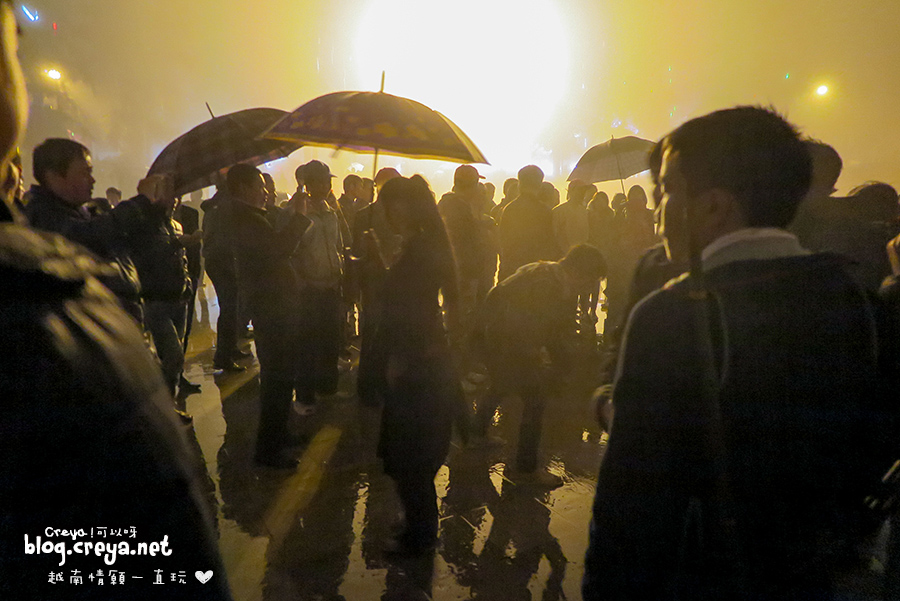
[ The wild umbrella dance: spinning and spinning and spinning and spinning ]
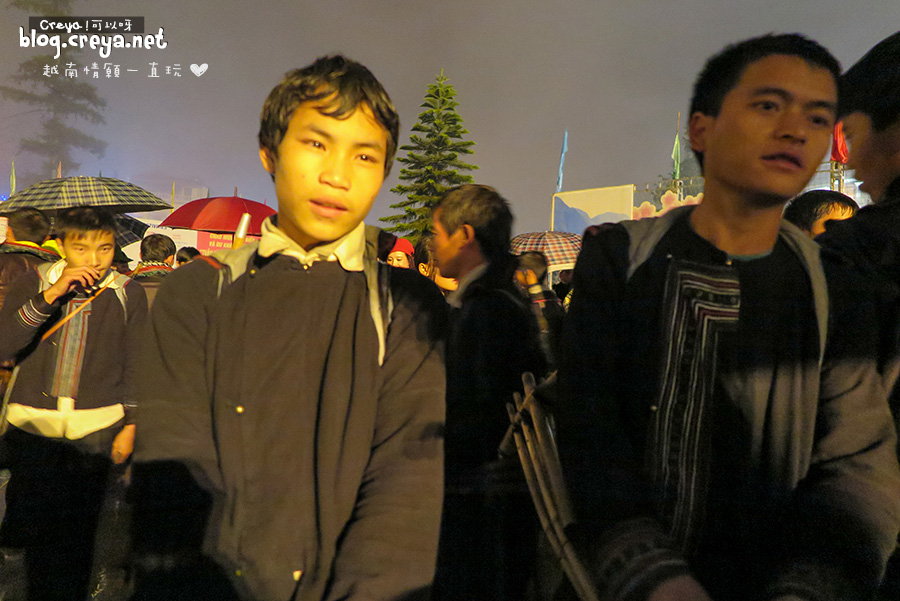
[ The boy collecting tips will keep appearing in front of you like a magnet ]
[ The immersive video version—dizzying ethnic-minority ballet ]
Saturday night is lively, though. Beside the square, we also found a curbside VIP-box concert and a group of teenagers playing shuttlecock, giving us a taste of Sapa’s simple yet charming way of life.
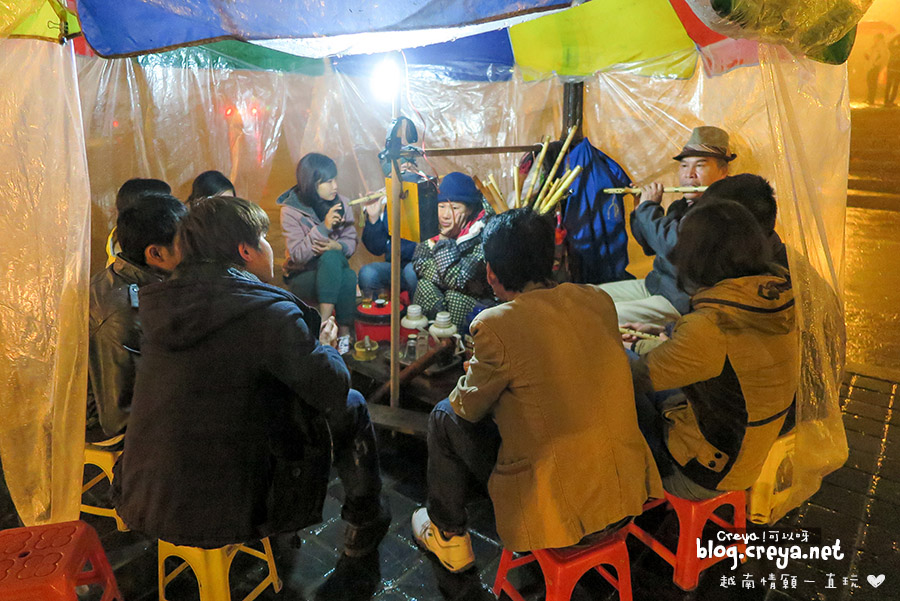
[ Naturally, a street concert must be paired with one of Vietnam’s signature products: tiny stools ]
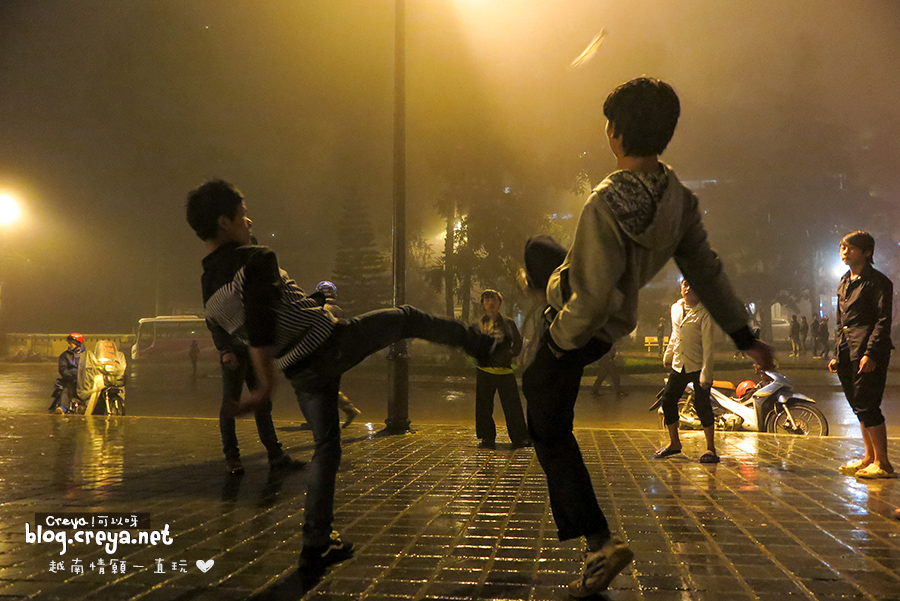
[ Get a few teenagers together and a game of shuttlecock immediately breaks out ]
To Understand the Local Culture, Visit the Markets: Sapa Market and the Morning Market
At the top of my “Most Interesting Things to Do in Sapa” ranking is, without question, wandering through the markets—stopping at stalls to explore and hunt for treasures while observing how food and everyday goods differ across cultures. As you walk through Sapa, you’ll easily spot scattered vendors lining the streets. Every evening, more and more roadside stalls appear, selling local snacks, barbecue, and fruit. Ethnic minority women and children also sell little handmade accessories, sometimes carrying them in bamboo baskets and approaching tourists as they pass. If you don’t want to buy anything, firmly decline without looking as though you’re considering it, then keep walking; they generally won’t give you too hard a time.
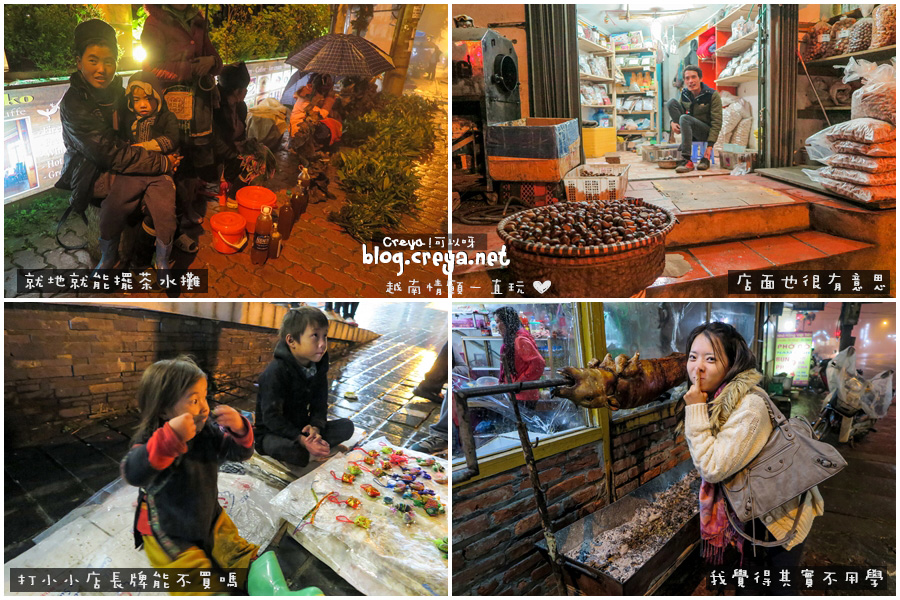
[ Roadside stalls and shops are everywhere along Sapa’s main streets ]
[ If the package in Mum’s hand contained a ten-year raise-your-own-daughter plan instead of keychains, business would be booming ]
There is also another place called theLove Market, which is the best spot in Sapa for distinctive souvenirs and ethnic-style clothing. Beneath the red canopies, you’ll find Sapa’s most common souvenirs. Under the covered arcade, a row of ethnic minority women set up small roadside stalls, making the place feel like a miniature version of the Red House creative market in Ximending. Continue up tothe large hall at the highest point, and you’ll find ethnic minority women seated all over the floor, selling things they have sewn themselves, including coin purses, keychains, dolls, tops, trousers, and skirts. Most impressively, these women—who look old enough to be mothers or even grandmothers—have surprisingly good basic English. They eagerly strike up conversations, ask “Where are you come from?” to find out where we’re from, and can even carry on a conversation! (Although they will eventually steer you toward their merchandise.) You can bargain with them in English before buying, and even if you decide not to purchase anything, they won’t react too strongly. It’s both an easy place to shop and well worth seeing. Saturday night is the liveliest time; when we returned on Sunday evening, there were far fewer stalls.
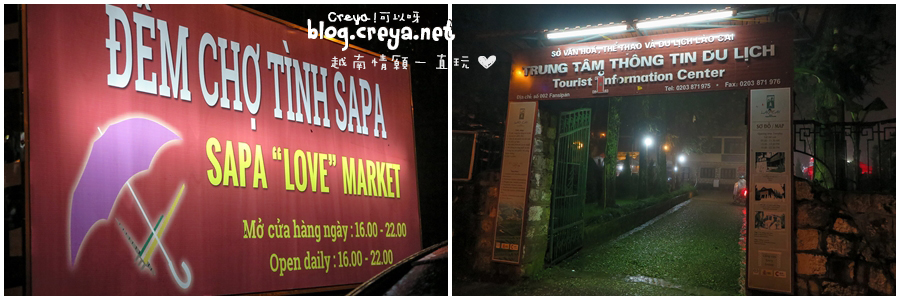
[ The Love Market is above Sapa Square, in the area to the left when facing the church. Enter by the tourist-center sign and you’ll see it. Open from 4 p.m. to 10 p.m. ]
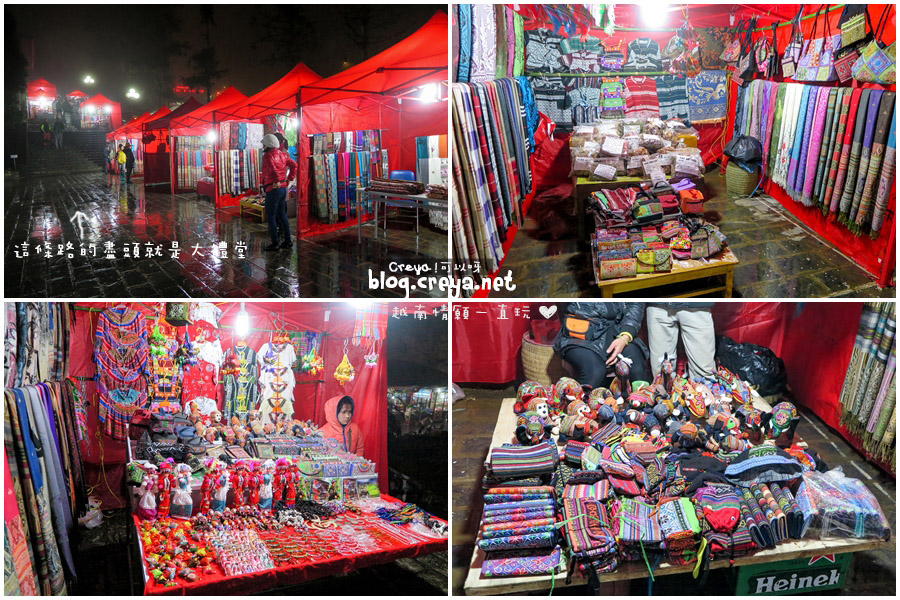
[ The red-canopy stalls sell nearly every mass-produced classic Sapa souvenir ] ]
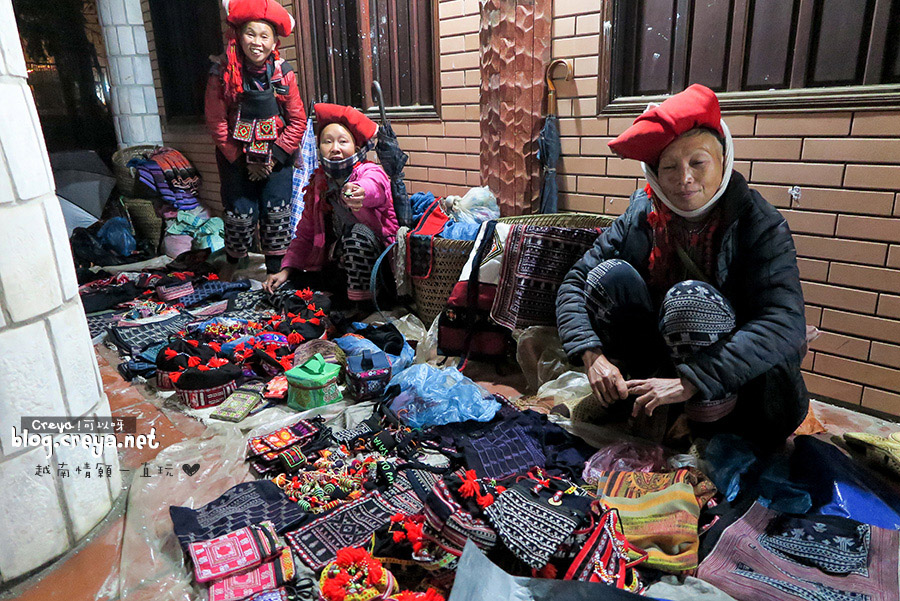
[ The ethnic minority women beneath the arcade will greet you very enthusiastically ] ]
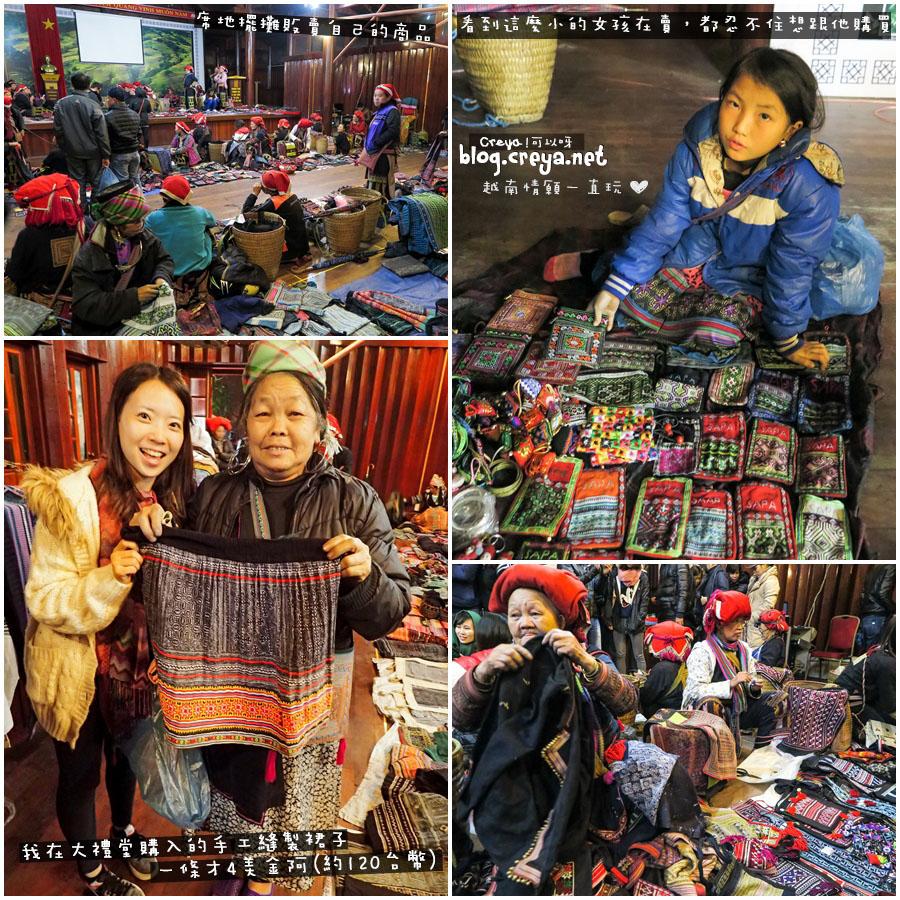
[ In the large hall at the highest point, ethnic minority women gather to sell their goods, chat, and catch up with one another ] ]
Sapa’s morning market offers a different flavor. In plain language, it’s the local wet market, and it opens every morning. Just get up at the crack of dawn and wander from your accommodation toward the main street, where roadside vendors will already be selling local breakfasts. Achievement unlocked: an extremely rock ’n’ roll breakfast spread (seriously, this is a country with stalls everywhere). Sapa’s wet market isn’t especially large, and its offerings are similar to those in Taiwan: raw meat, vegetables, household necessities, and cooked food. But theingredients people eat here are very different from ours. So don’t assume there’s little culture to observe simply because Vietnam is another Asian country close to Taiwan. Walking in here is like entering the Grand View Garden: there’s so much to see and photograph, and everything seems strange to us!
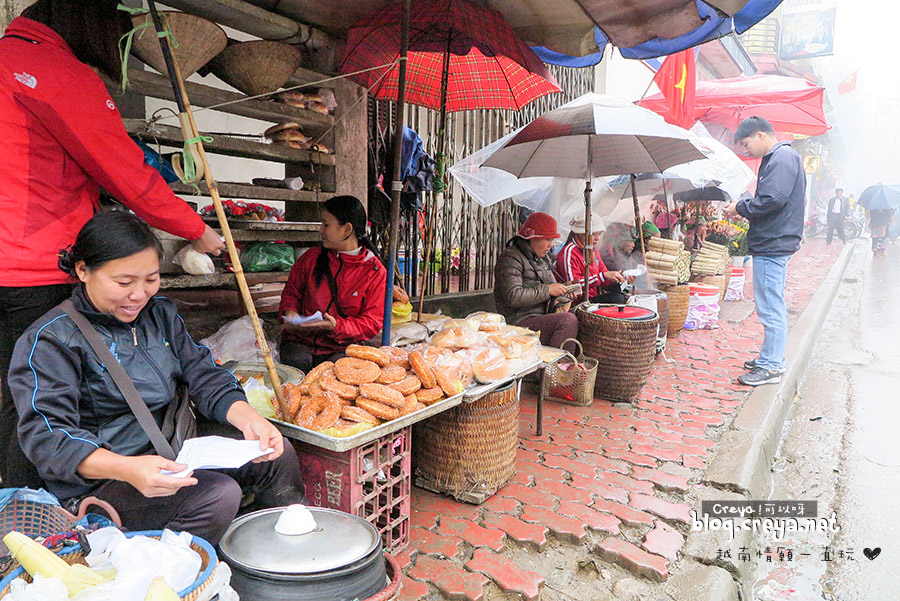
[ Head out early in the morning and both sides of the street are already packed with breakfast stalls ]
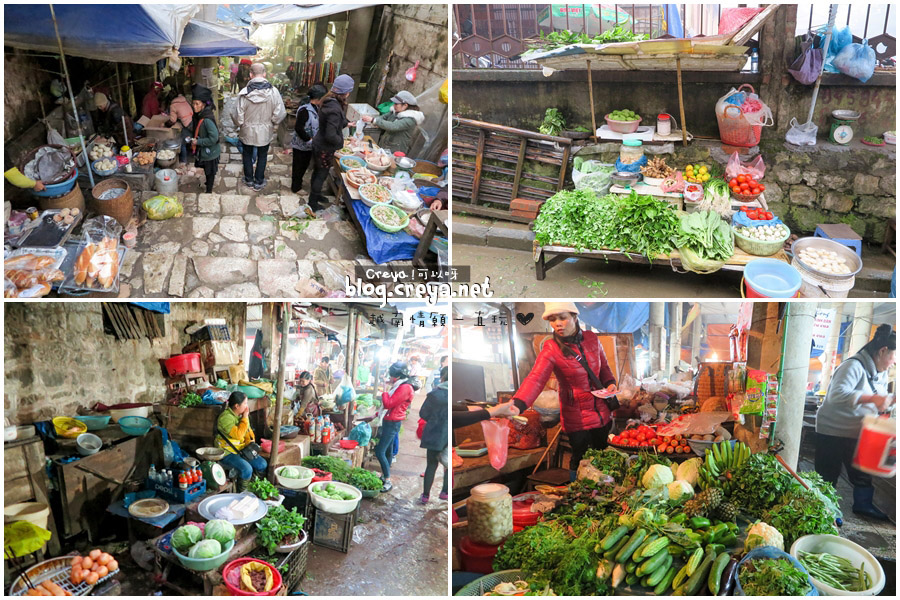
[ The entrance to the wet market, with everything from cooked dishes to raw ingredients ] ]
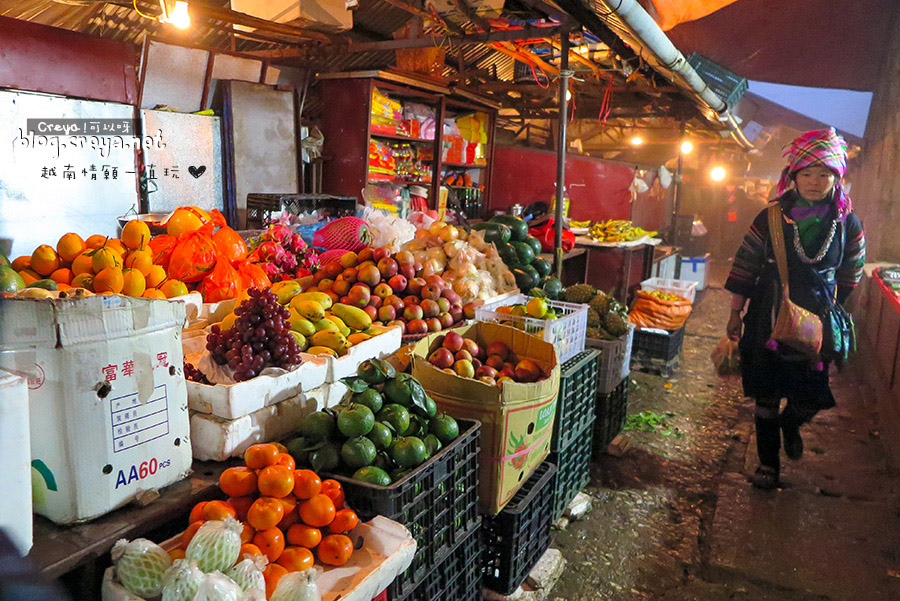
[ The market stalls only begin closing after 6 p.m.; the selection of fruit is pretty similar to Taiwan’s ] ]
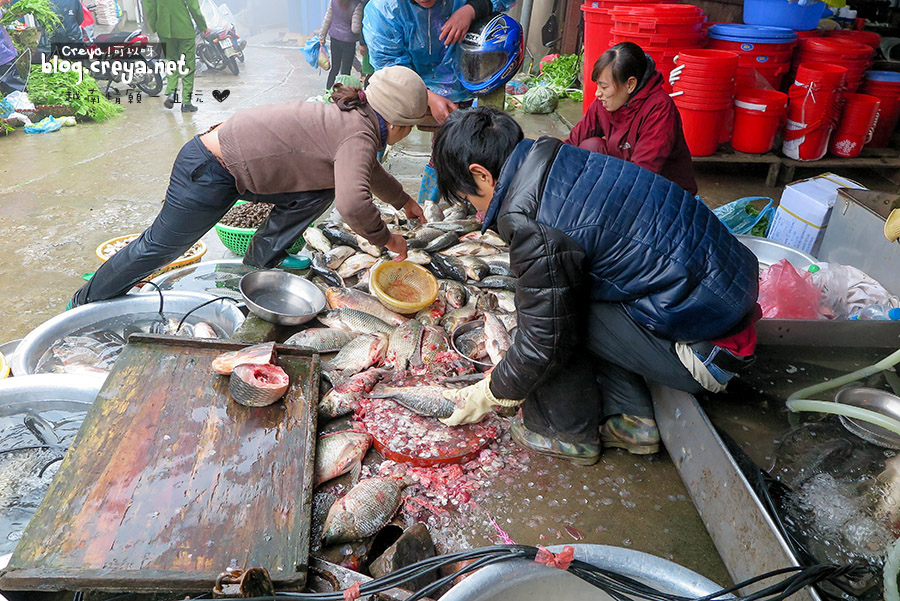
[ An open-air fish-butchering area, selling fish slaughtered on the spot ] ]
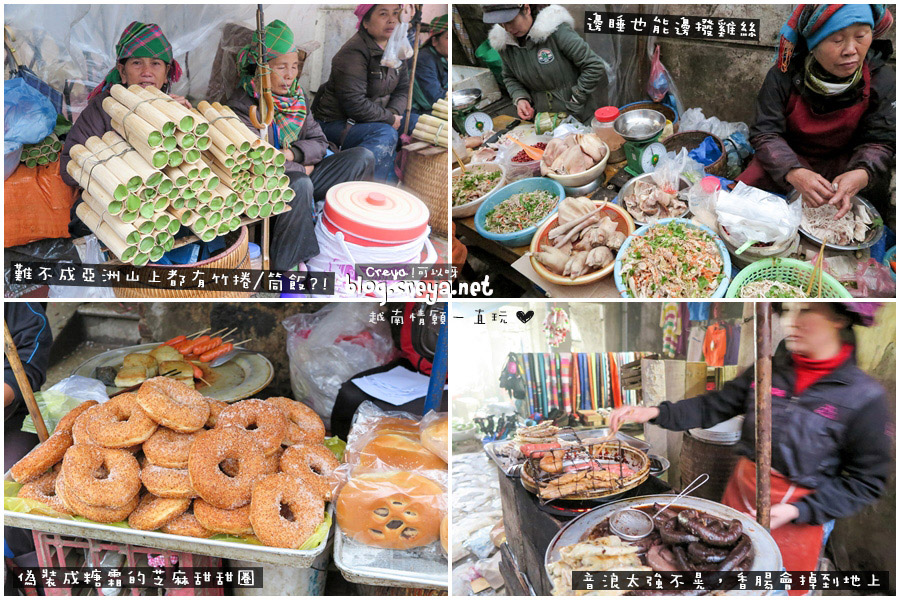
[ You can sample all kinds of snacks, Vietnamese breakfasts, and ethnic minority food culture here ] ]
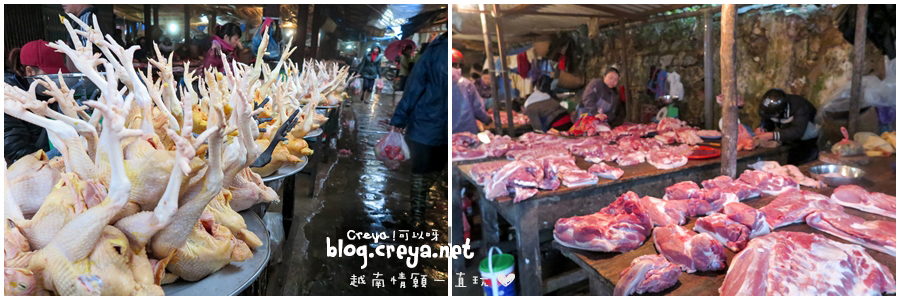
[ Which one do you want to HIGH FIVE? (Pick me! Pick me!) ] ]
They Sell Everything, and Nothing Is Strange: Bac Ha Market
Bac Ha Market was probably my favorite attraction on our Sapa itinerary. If you think seeing Sapa’s wet market is enough, you’ll miss the spectacular Bac Ha Market. How spectacular? Very spectacular! (Suddenly possessed by Uncle Fuzhou.) It is the largest ethnic minority market in the region, covering an enormous area. Members of the 14 ethnic minority groups living in Bac Ha District and the surrounding region come here every week to trade and mingle. There are so many different styles of ethnic clothing that you have to concentrate just to tell them apart. And they don’t merely sell meat, vegetables, farming equipment, and ordinary household goods—they sell live animals too. Right before our eyes were live chickens, dogs (I kept convincing myself they were only being bought as pets… though Vietnam is also a country where dog meat is eaten), and cattle awaiting their flesh-and-blood transactions. On the way back, we even saw people leading their newly purchased cattle along the road all the way home. It was a fascinating, eye-opening experience.
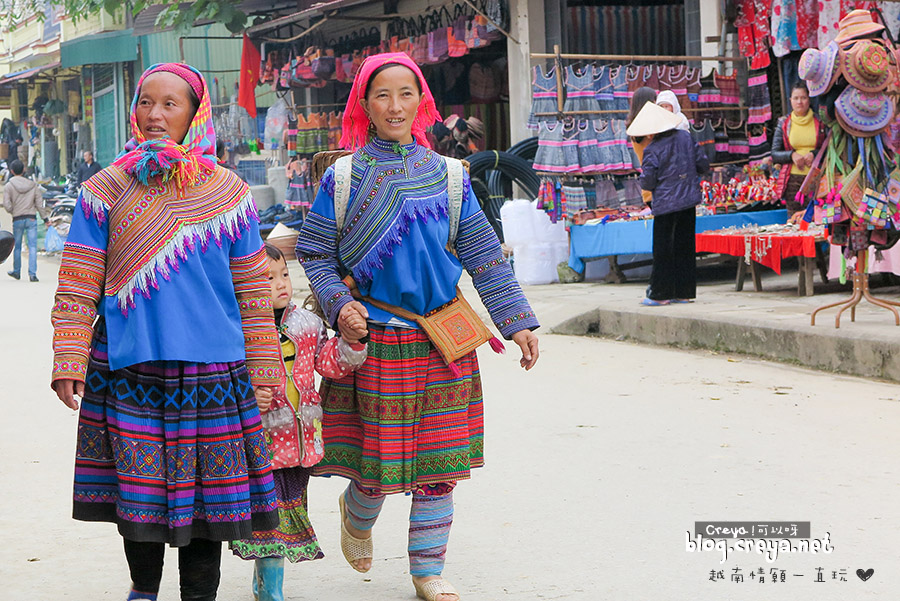
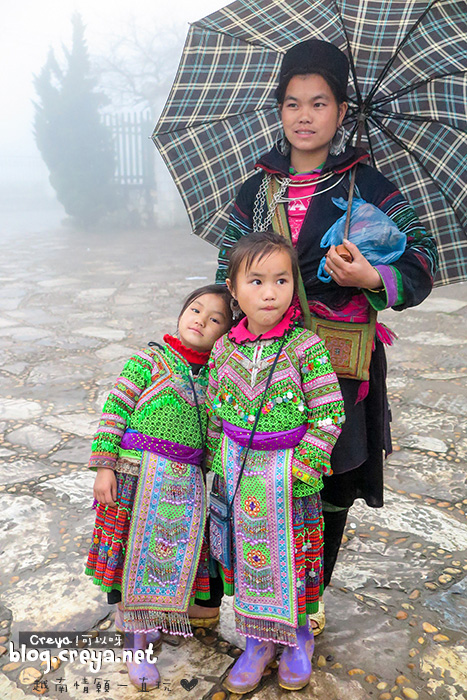
[ And now, Bac Ha Market! Please welcome our first group of Flower Hmong women… After seeing them here, I wanted to buy an ethnic outfit of my own and blend in ]
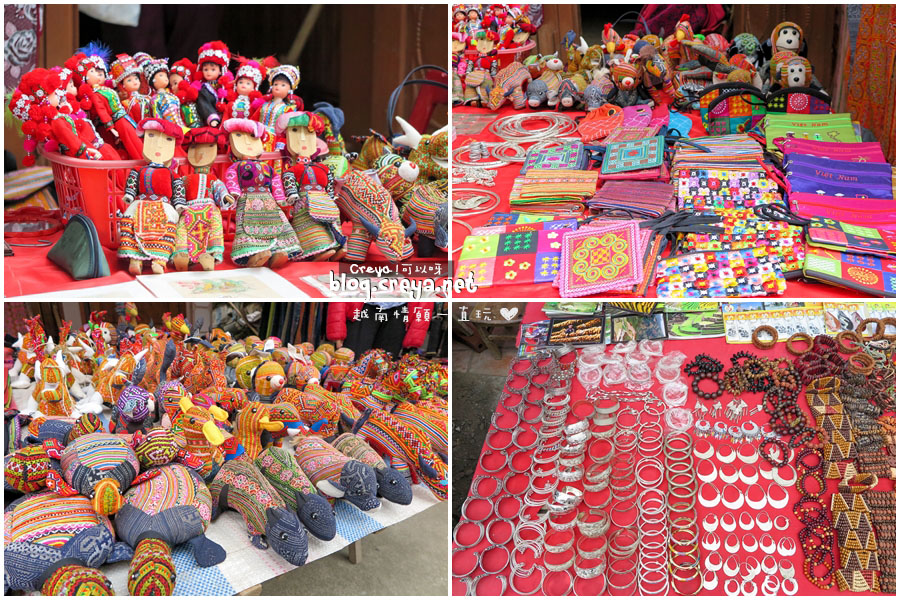
[ The entrance is lined with stalls selling souvenirs, sewn bags, accessories, and other goods, making it a great place to buy gifts ]
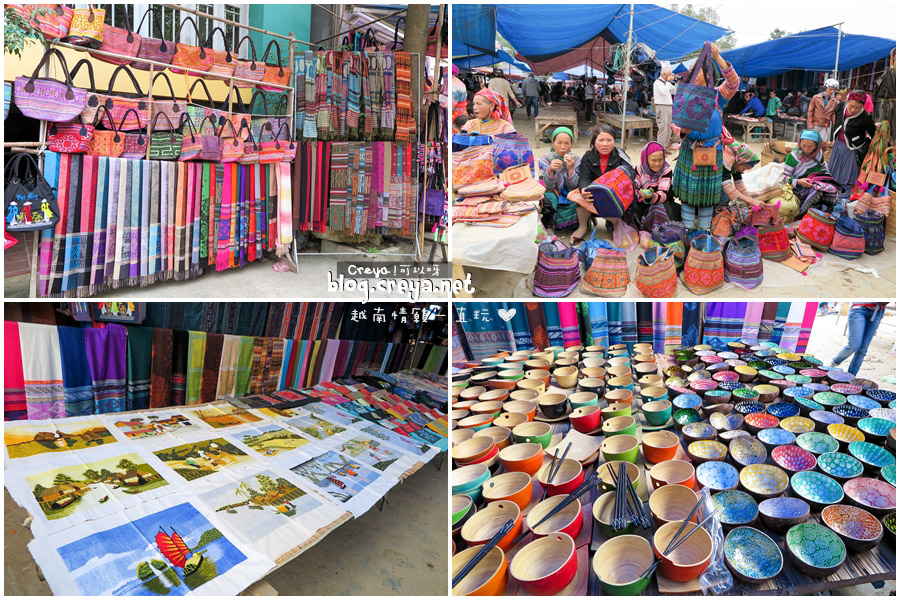
[ Inside the market, you’ll also find souvenirs with ethnic minority or Vietnamese flair. That bowl was so cute! I regret not buying it (writhes dramatically) ]
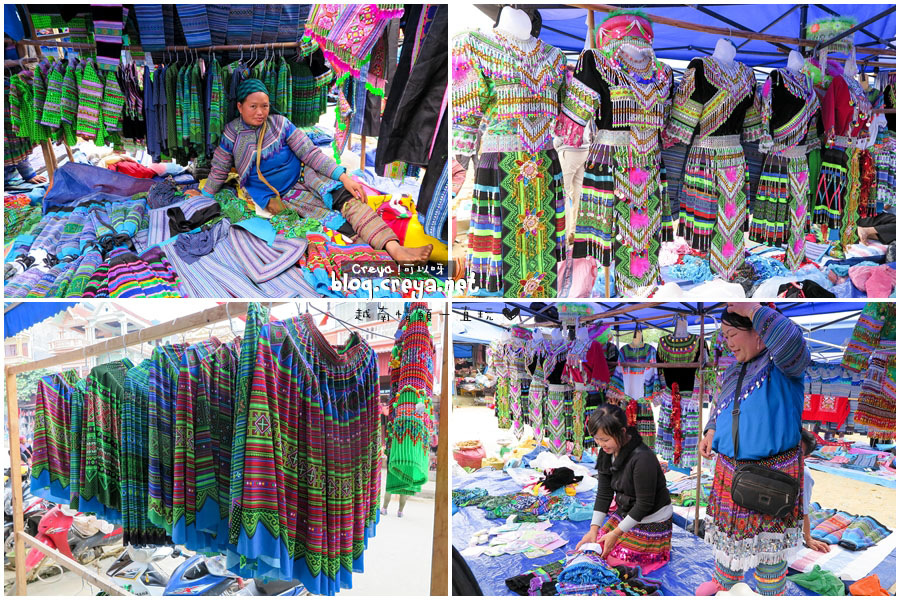
[ These colorful green pleated skirts are typical of Flower Hmong style. The market also sells elaborate outfits worn on important occasions. The stalls pictured here are scattered across different parts of the market, so it’s worth taking your time to explore ]
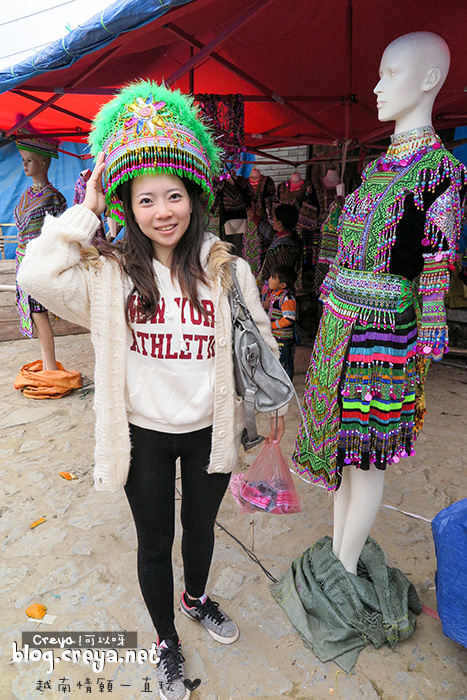
[ This headdress was quite heavy. The moment I put it on, I wanted to dance to “The Girls of Alishan” (Hey—you’re on the wrong set!) ]
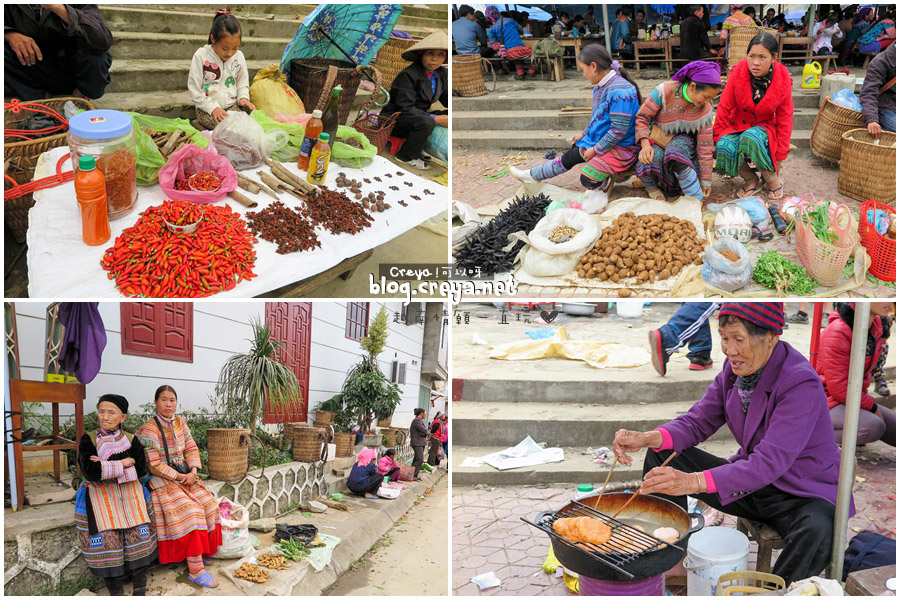
[ Both raw and cooked food are available. These vegetables and plants look as though they were plucked straight from the earth and brought here. The organic market we dream of has already become reality here ]
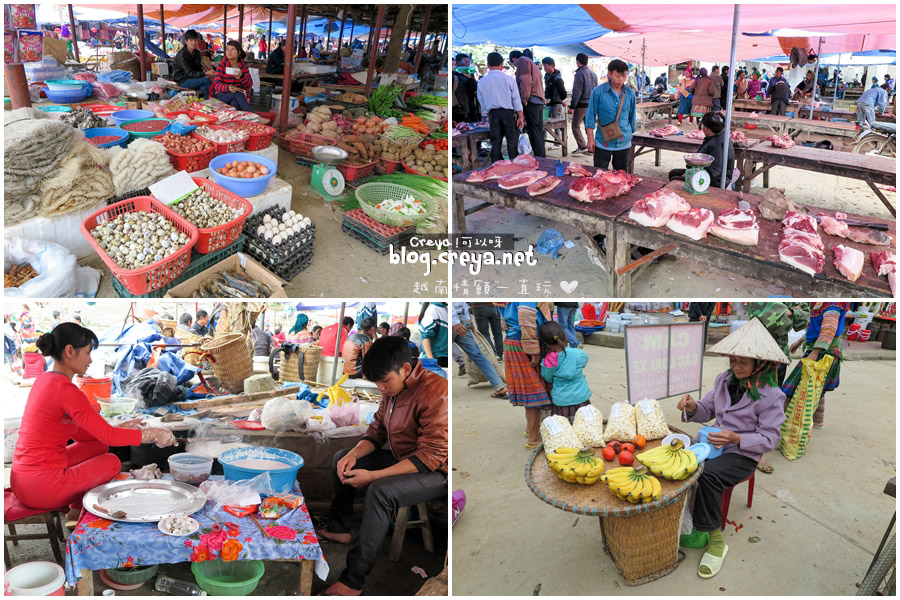
[ You’ll also find eggs, meat stalls, and fish stalls. The cooked-food stalls are run by graceful young ladies and ladies who were graceful once upon a time ]
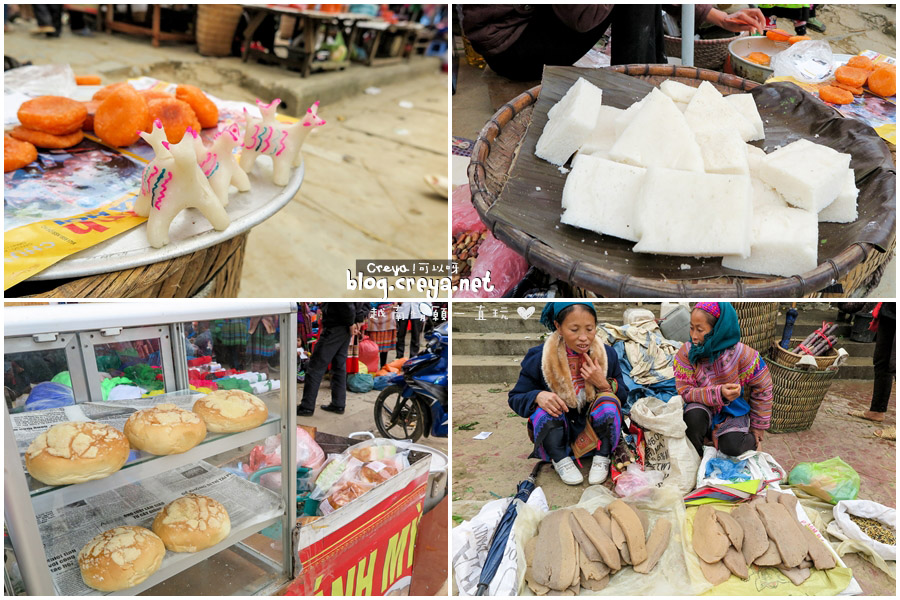
[ All kinds of unusual local foods: edible dough figurines that look vaguely familiar, cakes resembling our prosperity cakes and pineapple buns, and an unidentified object that looks rather like pink pork liver ]
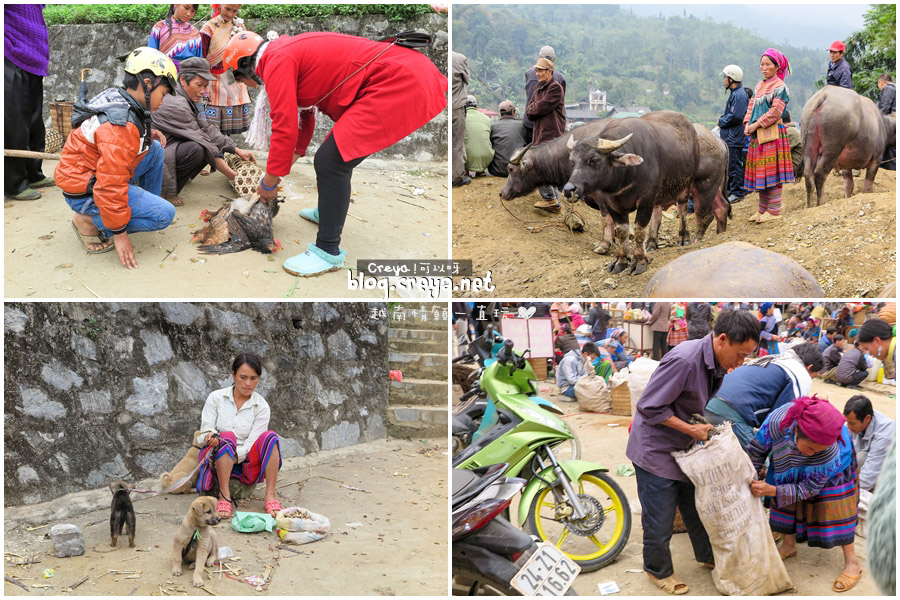
[ The live-animal market is another eye-opener, selling chickens, cattle, puppies, and even live pigs covered directly with sacks ]
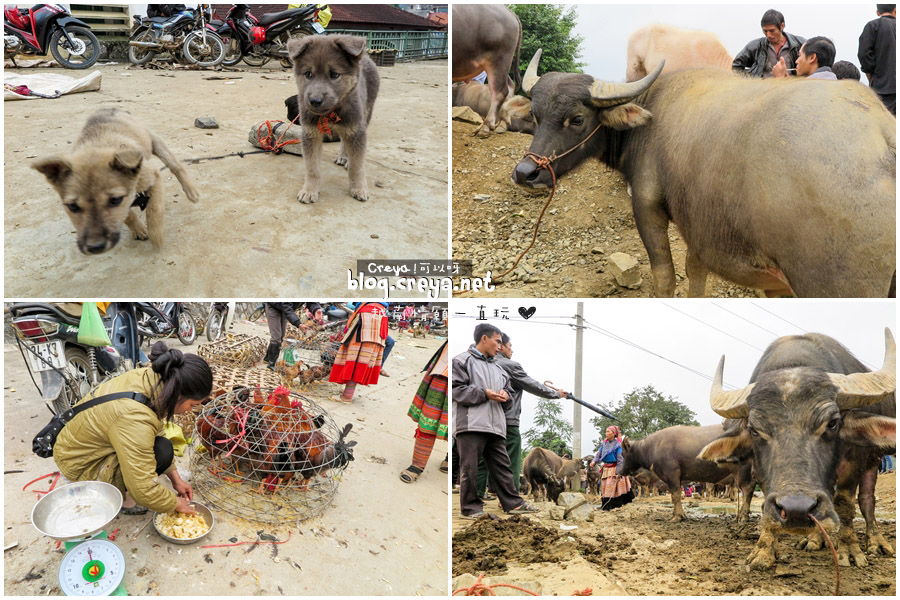
[ They wait in little groups to see which one gets picked ]
I had originally assumed that all the ethnic minority clothing at the market was only for tourists. But once I arrived and saw ethnic minority women choosing and buying clothes themselves—each person shopping up a storm with several pieces in hand, as if Bac Ha had become a shopping mall—I finally realized they don’t make every item of clothing themselves. Their society already has a division of labor, and they buy and trade clothes at the market!
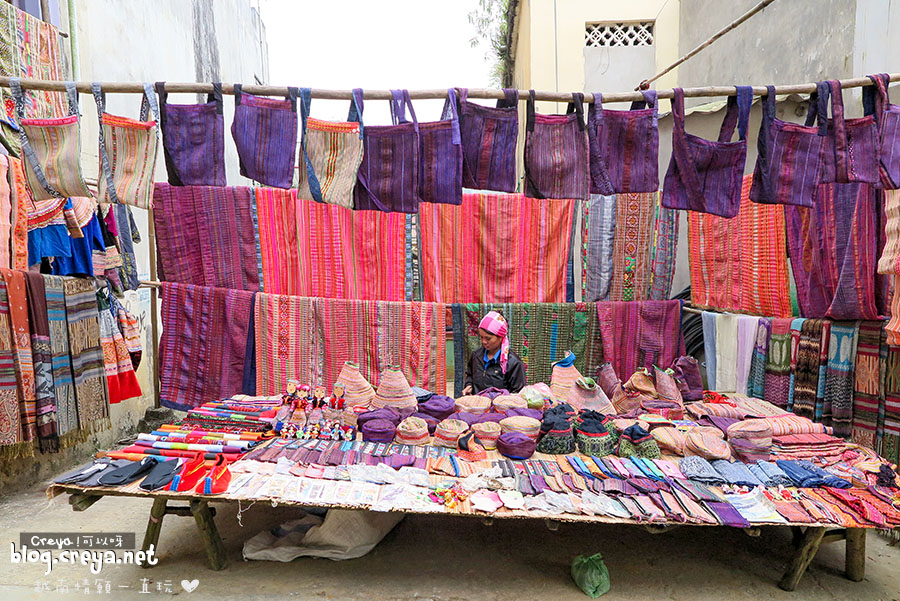
[ At Bac Ha Market, you’ll see these hats and scarves being worn by ethnic minority people. Check them out on the real-life models, then come and buy the ones you like! (vendor’s call) ]
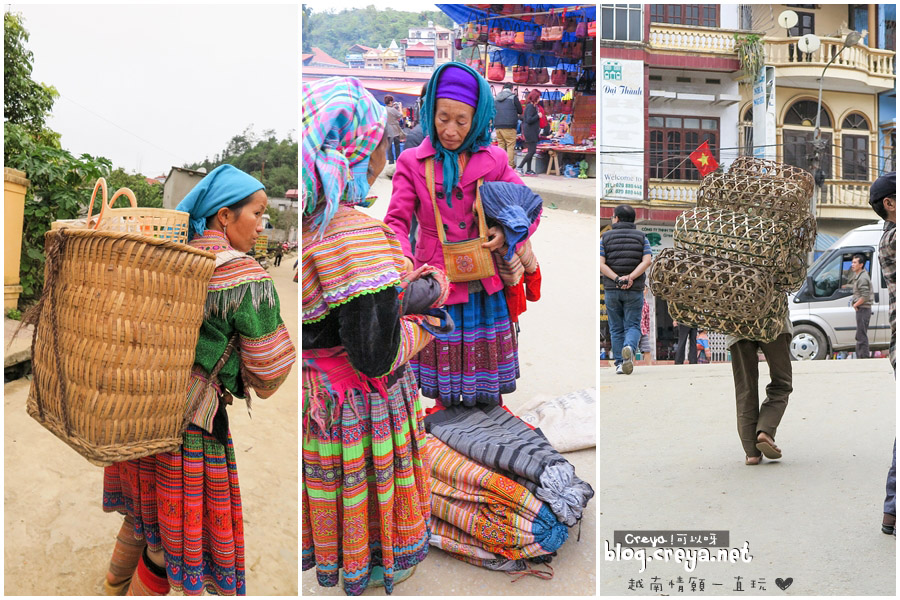
[ Many people arrive with bamboo baskets ready to shop, and the clothes really are purchased by ethnic minority people for their own use ]
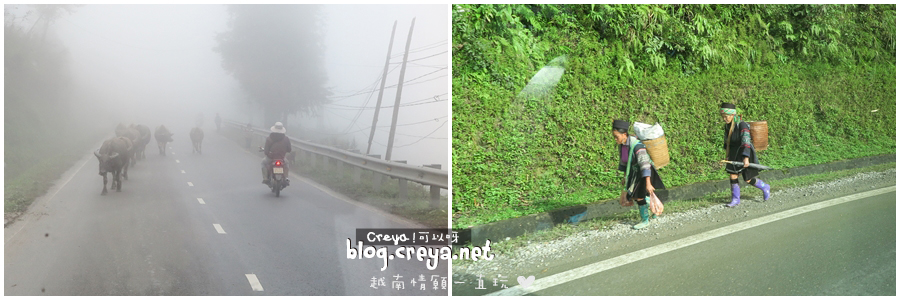 [ Heading to market and going home—it felt like being back in Australia when a huge herd of cattle suddenly appeared on the road ]
Bac Ha Market is said to be one of the few traditional ethnic minority markets in the mountains that has not yet been commercialized and still retains its distinctive character. It’s the real deal: an authentic trading place for ethnic minority communities, and well worth visiting.Interestingly, as tourists in ordinary clothes walked through the market, the ethnic minority people seemed completely accustomed to us—or perhaps they thought we blended right in (?!). They didn’t stare at us at all. Instead, we tourists were the ones gawking at their every move like country bumpkins who had never seen the world.
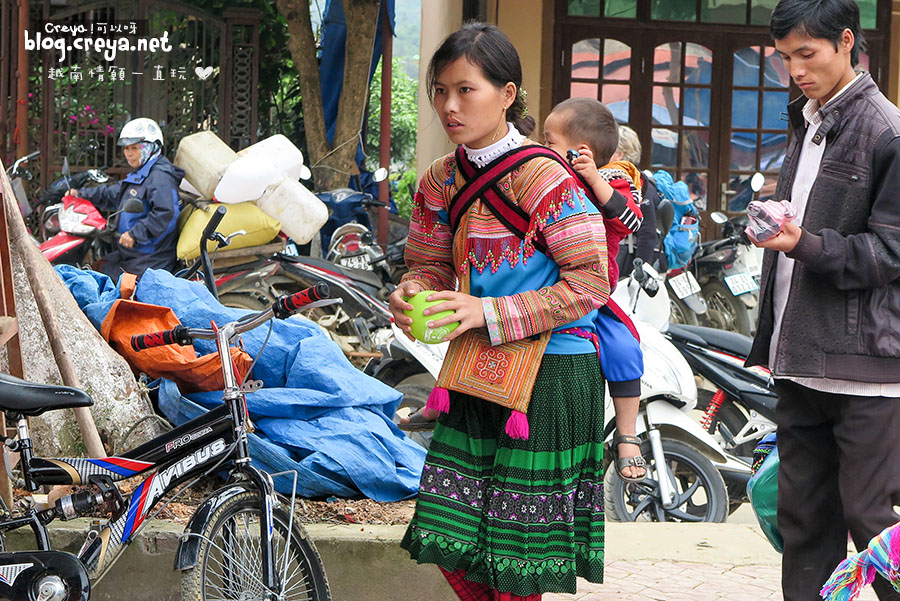
[ The whole family came shopping. The women and children all wore ethnic minority clothing, but I never once saw a man wearing it (our guide said the men were all away working) ]
Bac Ha Market takes place only on Sundays. Regardless of the weather, it opens before dawn and closes in the evening. It is also a three-hour drive from Sapa, and even allowing two hours is barely enough time to explore it properly. Therefore,you may want to consider staying in Lao Cai city instead. With Lao Cai as your base, both Bac Ha Market and downtown Sapa are just over an hour away, saving you some of the time otherwise spent traveling back and forth.
Today’s second confession: I originally planned to cover all nine attractions in a single article, but the words multiplied like treasure pouring from a magic bowl (if only money worked the same way). It was also impossible to choose among the photos—I wanted to share every one of them so I could show Sapa’s fascinating character more clearly. So I decided to split the article into two parts. The next installment will introduce ethnic minority villages, terraced fields, and Sapa’s other famous attractions (click me, click me, to continue). I’m also gradually organizing my Sapa photos into an album, so you can examine the full-size images more closely (go see the album)。
My Ultimate Nine-Day Northern Vietnam Itinerary(Each part of the itinerary below will have its own article. When the text lights upblue, you have the green light to click through and read it!)
Travel dates: 2014.11.15–11.23
- Ultimate Highlights: Itinerary Overview
- Departure: Vietnam Airlines, Hanoi Airport, and Transportation
- Day1~3:Essential Travel Guide to Sapa, Bac Ha, and Ethnic Minority Villages / Nine Attractions: The Markets / Nine Attractions: Villages and Architecture (Hung Yi Travelinspection tour)
- Days 4–5: Downtown Hanoi(Hung Yi Travel inspection tour)
- Day 6: One-Day TOUR of Halong Bay on Land(Local tour company)
- Days 7–9: Three-Day, Two-Night Legend Cruise in Ha Long Bay
- Information: Introducing Legend Cruise (service / facilities and rooms / meals)
- Information: Everything You Need to Know About Vietnam and Traveling There
- Nine Days of Vietnam: I’d Rather Keep Exploring—Photo Collection


