

After the disastrous women’s road race, I spent quite a while in self-imposed exile, doing absolutely nothing. With my unpredictable finishing times at work, I often couldn’t make my weekly running class. At one point, I barely exercised at all. This went on for more than two months before I finally regained some energy and gradually returned to the track. (A Look Back at the Disaster)
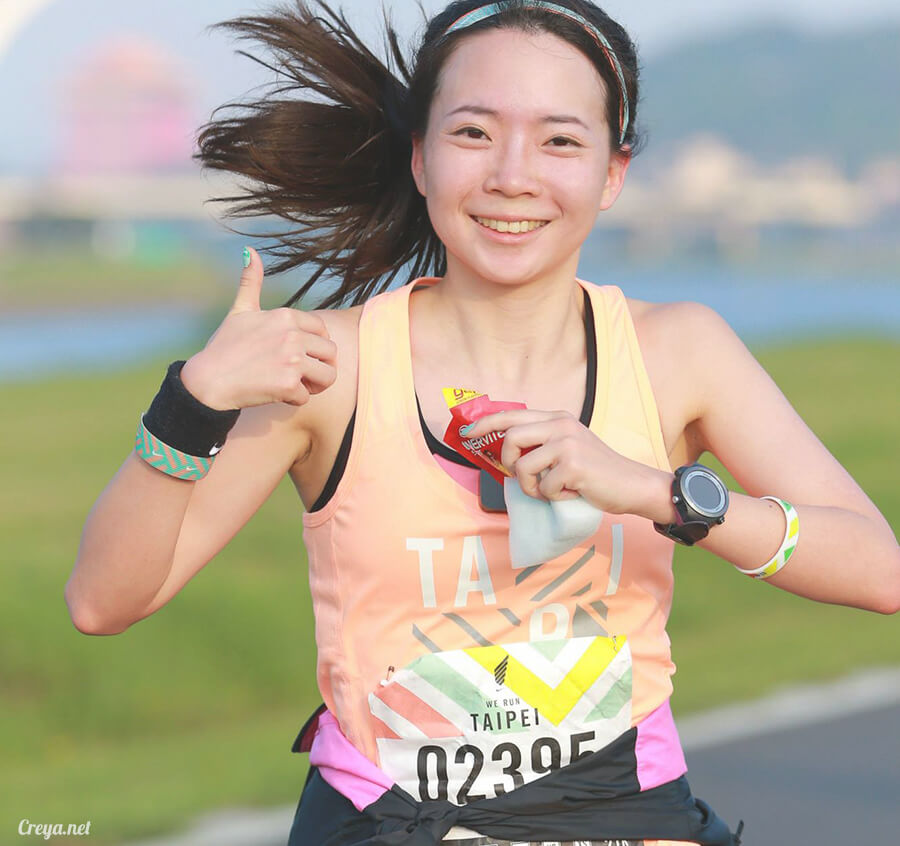
But while I wanted to train, I had no clear goal, so even the smallest distraction could make me conveniently give up (my willpower is paper-thin). I had entered the Osaka Marathon lottery, but perhaps the race organizers heard that I had fainted during a half marathon and thoughtfully decided I needed a good rest. I had already bought my plane ticket, but didn’t get a race entry. Fortunately, I was still writing regularly for the Sports Note platform. While researching an article introducing the “2016 Nagoya Women’s Marathon,” I became so fired up by my own carefully researched race-promotion piece that I ended up convincing myself to enter. My lottery luck has always been terrible, but by sheer coincidence, the Nagoya Women’s Marathon switched to a first-come, first-served registration system that year—instantly turning it into my area of expertise. And just like that, I successfully secured my place in the 2016 Nagoya Women’s Marathon, which would be my first-ever full marathon! (Stay tuned for the next installment: How a Woman Who Fainted During a Half Marathon Makes a Comeback and Finishes Her First Full Marathon.)
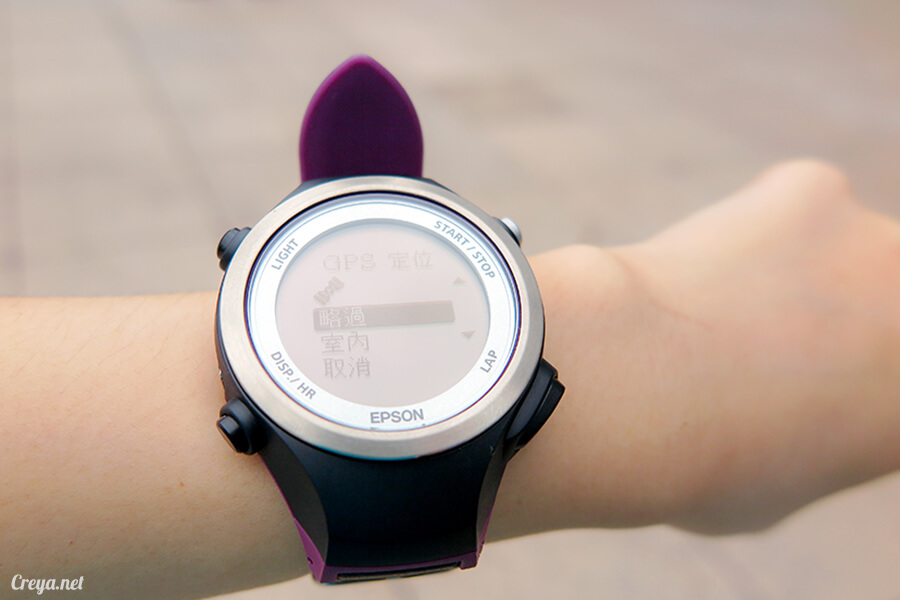
Having such a major goal really did motivate me to step up my training. I also returned to Rainbow Run’s running classes and followed Coach Edison’s training plan, so the EPSON RUNSENSE SF-810 became my trusty assistant for carrying out my workouts and monitoring the results.
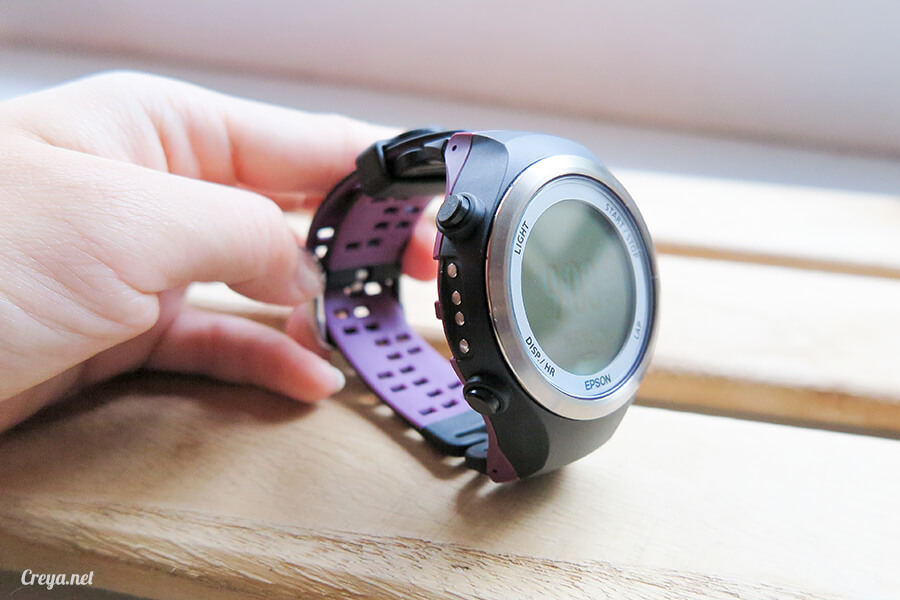
Our coach gives us different types of workouts each week, such as an 8 km Tempo Run, a 40-minute Free Run, or three sets of 200 m intervals. Each type involves different pace and time targets, so I also use the training-target settings on my Epson watch. Once everything is set before the run, the watch vibrates or beeps during the workout to alert me according to the settings. It’s like having a coach who constantly lets me know whether I’m running within the target range—and I don’t have to tie my brain in knots doing maths while I run!
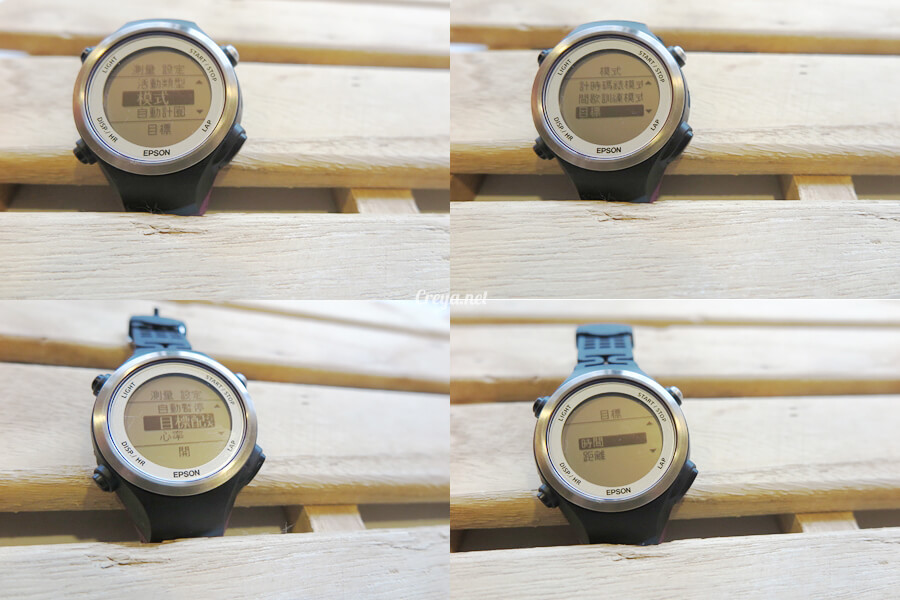
[ Various training targets are built in and can be configured directly on the watch ]
For example, my training plan this week is:
Monday: 6 km tempo
Tuesday: Rest
Wednesday: 8–10 km Free Run
Thursday: Rest
Friday: 30 min jog + 4 × 100 m acceleration runs
Weekend: 12 km Free Run
For Monday’s 6 km Tempo Run, Coach Edison set me a pace of 5:40 min/km. With no pace group to follow, this was a solo challenge! I strapped on the EPSON RUNSENSE SF-810 and set a 10-second tolerance range. It would warn me if I was too slow, but I also set 5:30 min/km as the upper end of the range to keep myself from going out too fast and running out of steam later. I let the EPSON RUNSENSE SF-810 on my wrist keep me in check, pressing Lap after every circuit to recalculate my pace for that lap while also monitoring whether my heart rate was exceeding what my body could handle. In the end, my pace for every lap stayed comfortably within the range my coach had set. Target achieved!
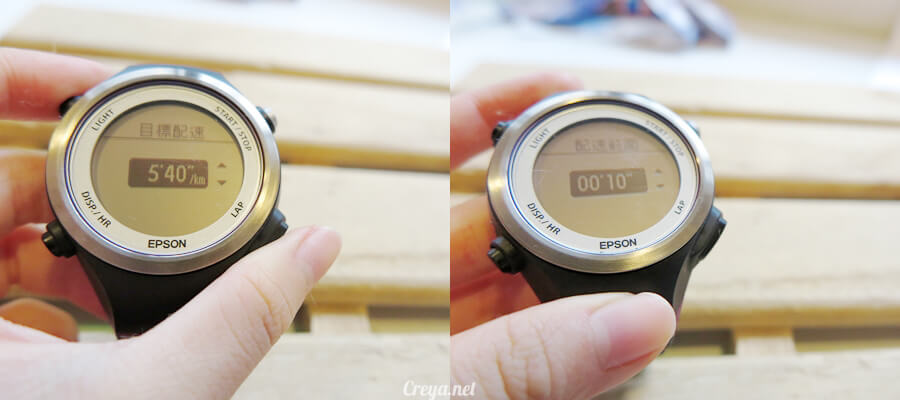
[ On the training-record screen, press and hold the upper-left button, then select Target Pace to configure it ]
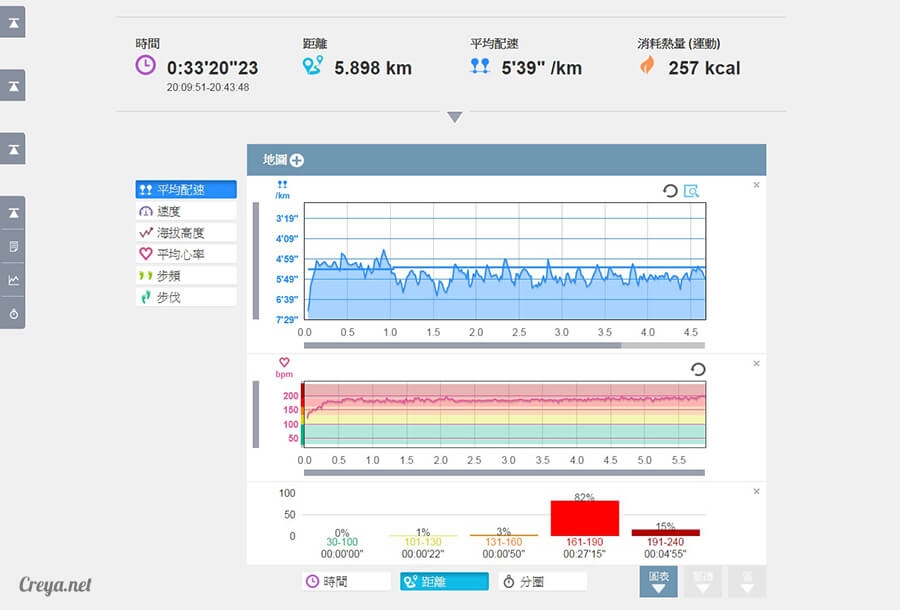
[ Both pace and heart-rate data can be viewed clearly ]
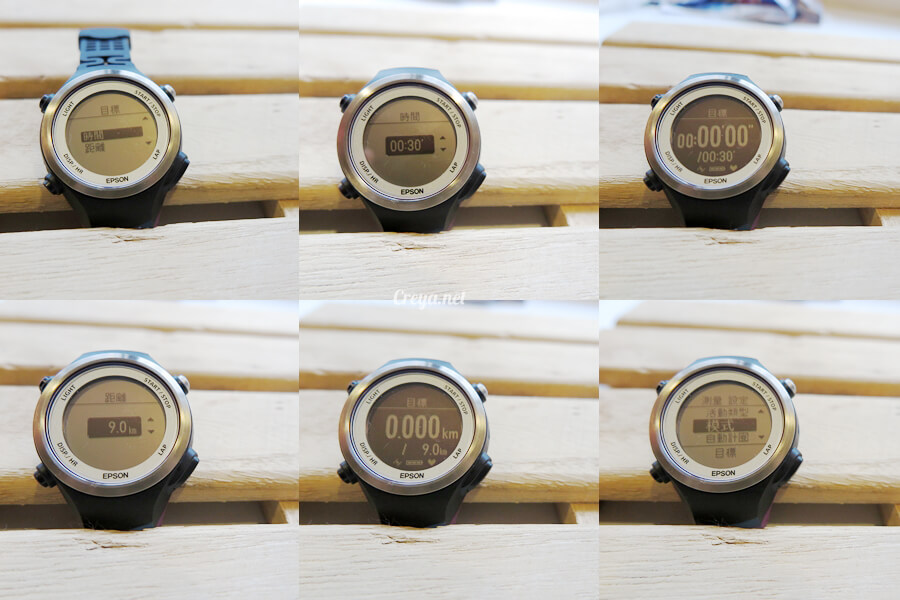
For a Free Run with a distance or time target, you can also configure it directly on the watch. Once you start running, the target appears right on the display.
Having a training watch makes it much easier to track your progress efficiently. The EPSON RUNSENSE SF-810 is well suited to runners whose training is primarily focused on running, offering a comprehensive range of settings to accompany you as you tackle one training goal after another.