


Akita, Japan—the name alone seems to summon a soft breeze and the goofy smiling face of an adorable Akita dog.
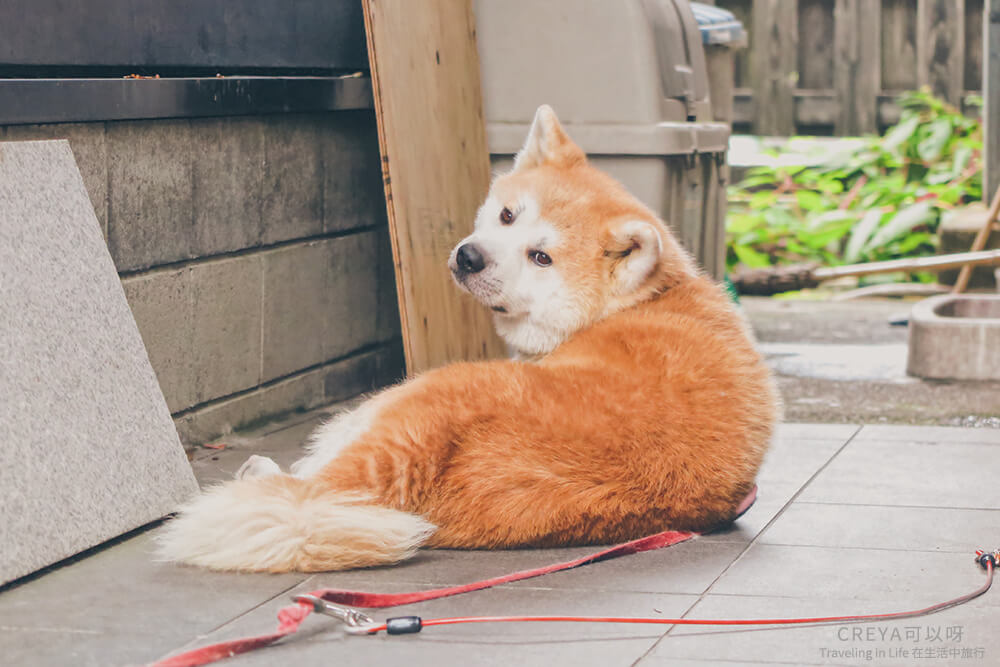
[Can you see my face smiling?]
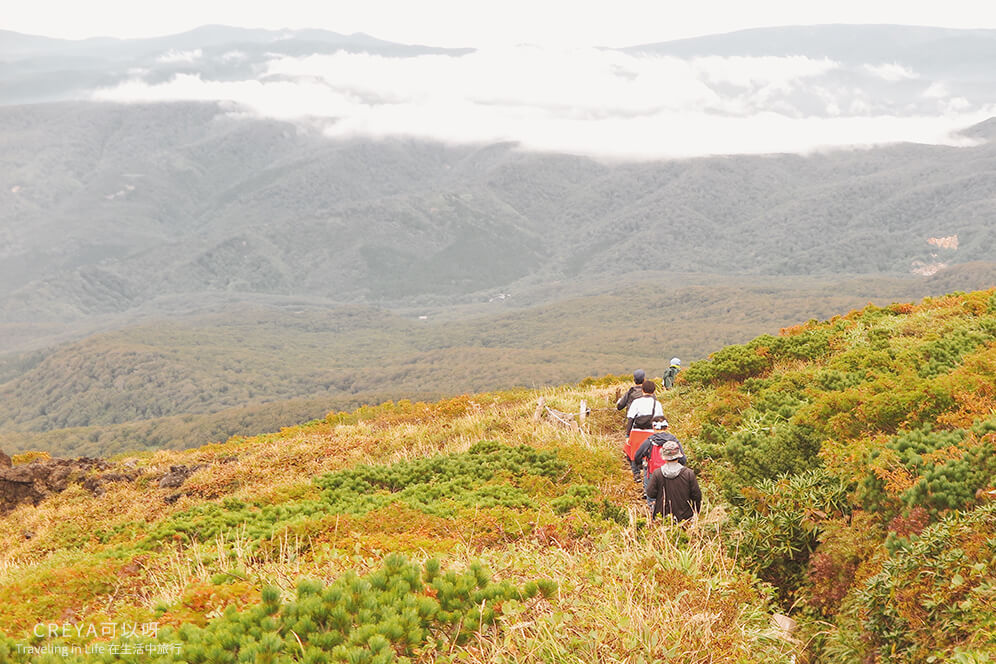
Summer in…A hiking trip through Fukushimagave me the chance to encounter Japan’s Tohoku region. I was captivated at first sight by its gentle, unpretentious atmosphere and wanted to explore more of Tohoku’s many faces. So, just as autumn began, I planned a visit farther north to Akita, my second conversation with the land of Tohoku.
Everything here is quiet. Living alongside nature feels completely natural. The food on the table recalls the vegetable fields swaying along the roads; the wisdom people developed while surviving harsh winters and the resources grown by abundant summer soil can be glimpsed in festivals, beliefs, meals, and old farmhouses.
Getting to know Akita from different angles
I climbed into Akita’s mountains, paddled a canoe to the centre of a lake to look toward distant peaks, followed streams upstream to waterfalls, cycled through the samurai-residence district, and watched how local traditions bring communities together. I also stayed in century-old houses and experienced farm life.
From mountain to water, from outdoors to indoors, I tried to understand this fertile land from as many angles as possible, slowly building my own picture of Akita (if the wind had not grounded the glider, I would have loved to see it from the sky too).
This map shows the footsteps of my five-day, four-night Akita itinerary.
Travel dates: September 11–15, 2018
(The map can be enlarged. Click the icon in the upper-left corner to expand all waypoints and turn layers on or off.)
Here are five Akita moments and feelings that stayed with me:
Golden rice fields in the valleys—the colour of happiness and abundance
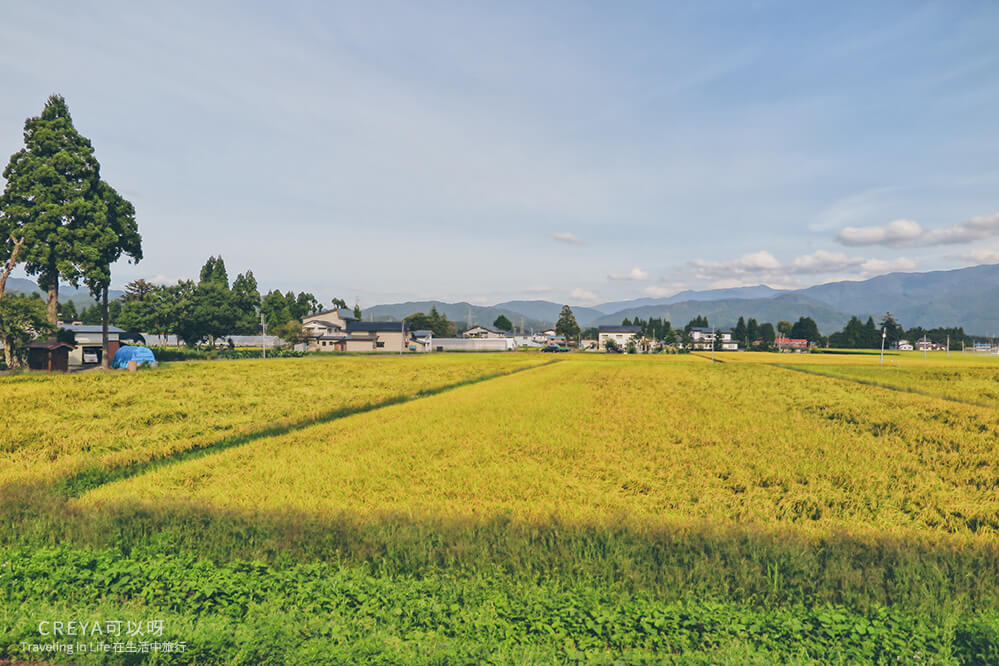
When I think of Akita now, my first image is of emerald mountains paired with golden-orange rice fields stretching across the valleys. That was the landscape that made my heart skip.
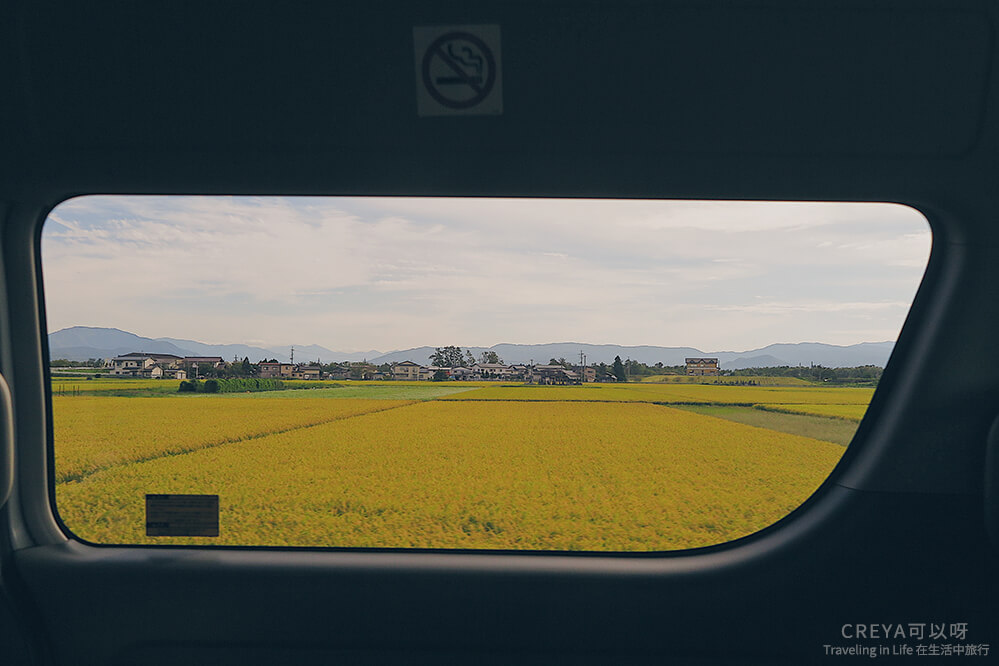
In mid-September, Akita’s rice is at its fullest just before harvest. For all five days, whenever I looked out the window, the small frame was filled with golden ears of rice swaying in the breeze. I wished my eyes had a wider-angle lens and could only stare ahead until the view rested on the endless mountains in the distance. If Fukushima feels like Taitung in my mind, Akita is probably Hualien.
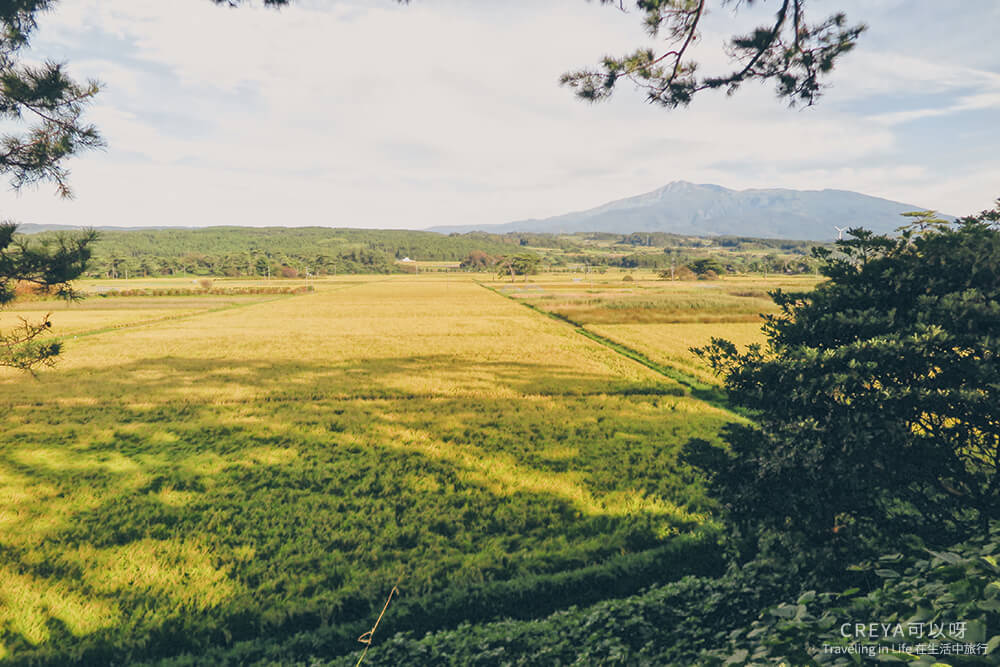
After climbing onto one of the small islands among the Kujukushima islets off the coastal city of Kisakata, I found myself surrounded by a sea of rice fields. Mount Chokai, the second-highest peak in Tohoku, rose behind the farmland and set off the golden fields. I could have stared at the scene forever. The fertile soil in those fields was contributed by a landslide triggered by an earthquake more than 2,000 years ago.
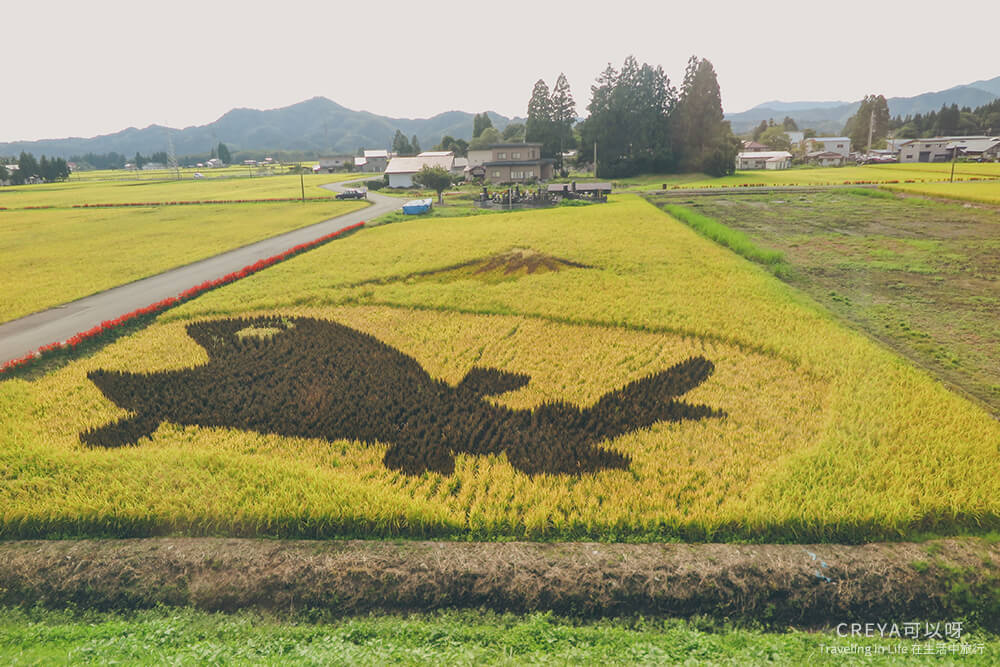
Hidden in this picture-perfect landscape is another local farmers’ delight: rice-field art. During the exhibition season, you can take the Inland Link train and admire these pictures painted inside the landscape.
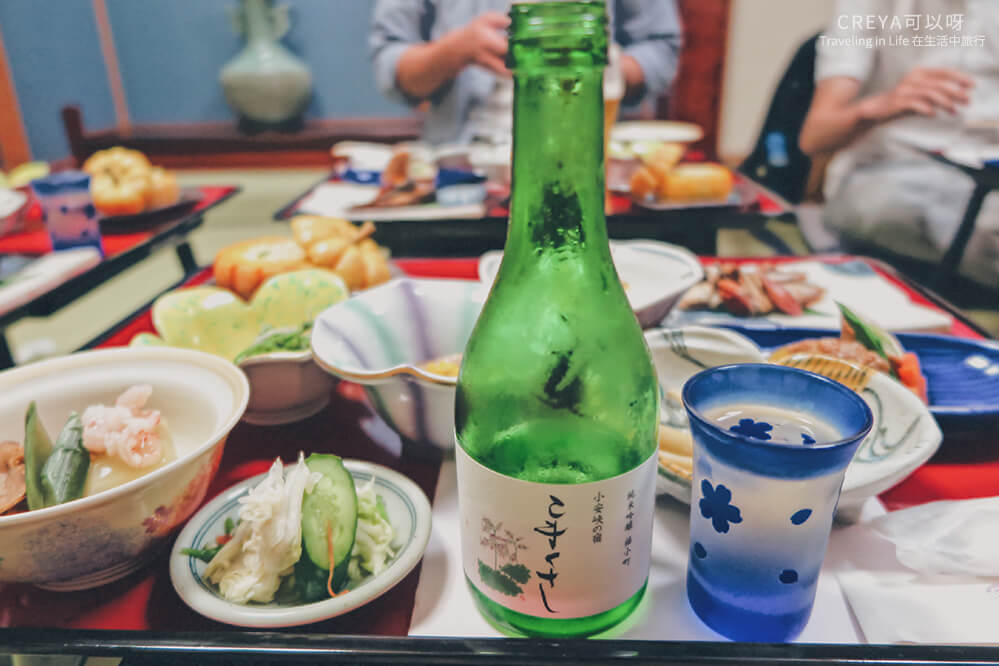
That night, a bowl of fragrant rice arrived on the table at the guesthouse. With each bite, it felt more connected to me than the bowl from the night before. Paired with Akita’s famous sake and memories of the golden rice fields I had seen during the day, it tasted like the colour of happiness and abundance.
A night at a farm stay, tasting honest, down-to-earth flavours
As one of Akita’s signature rural dishes in this rice-growing region, kiritanpo was an obvious choice. I tried to find a chance to taste it during the trip, but kept narrowly missing out.
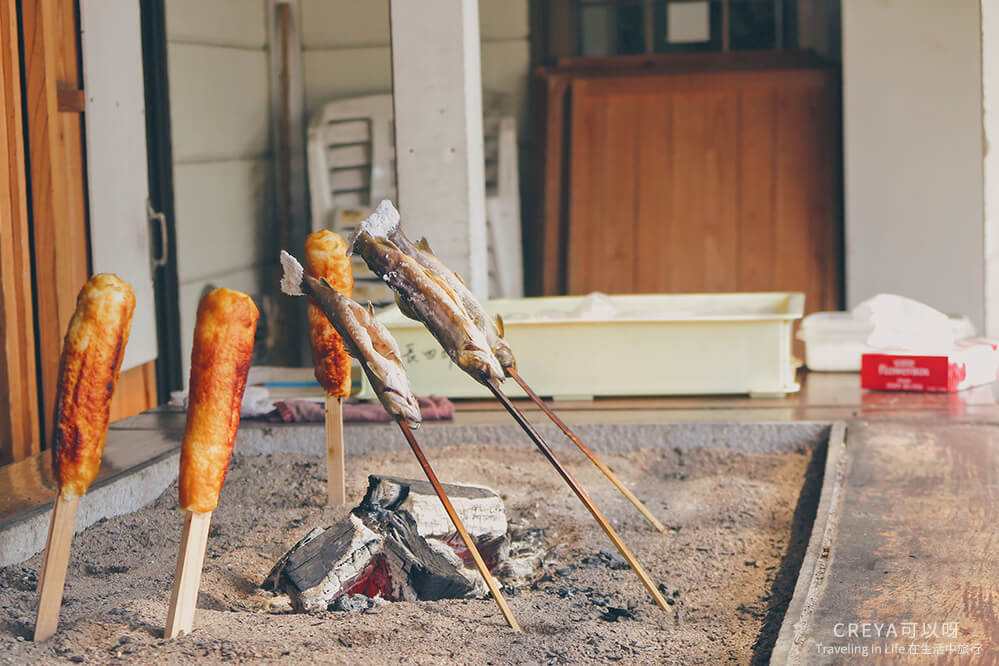
‘You can make kiritanpo with us tonight!’ a farmstay host finally announced. I unpacked my bag while keeping my ears tuned for the call to gather.
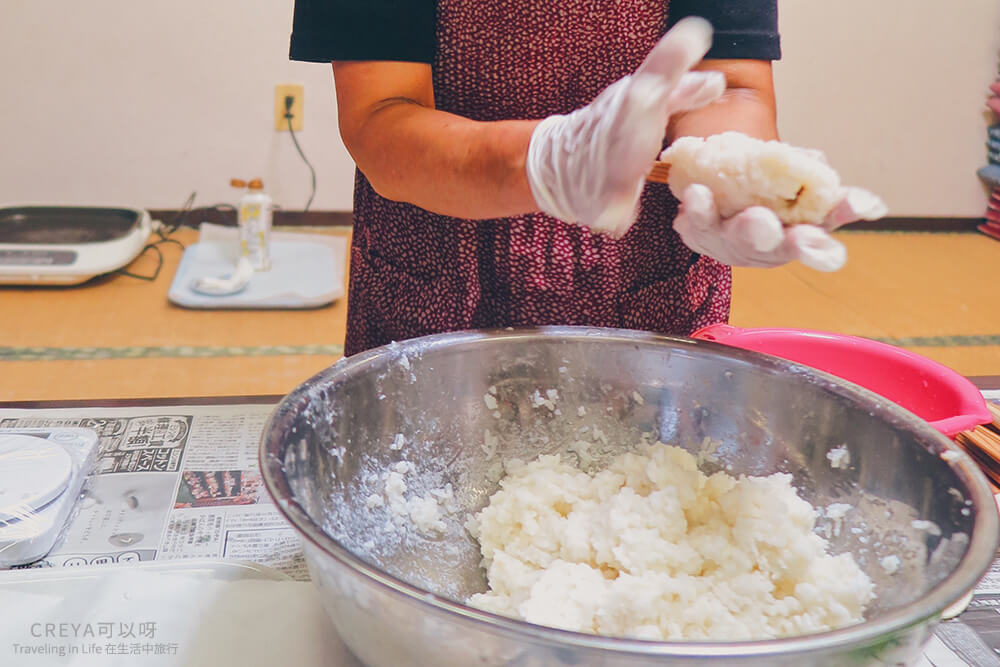
Following Grandma’s steps, we placed portions of hot pounded rice in our palms. I usually wash raw rice cupped in both hands, but had never felt cooked rice this way. It created a new kind of contact with the grain. We slowly shaped each portion into a rice baton, then proudly placed our beginner’s kiritanpo on the grill, waiting for dinner when it would become part of the feast.
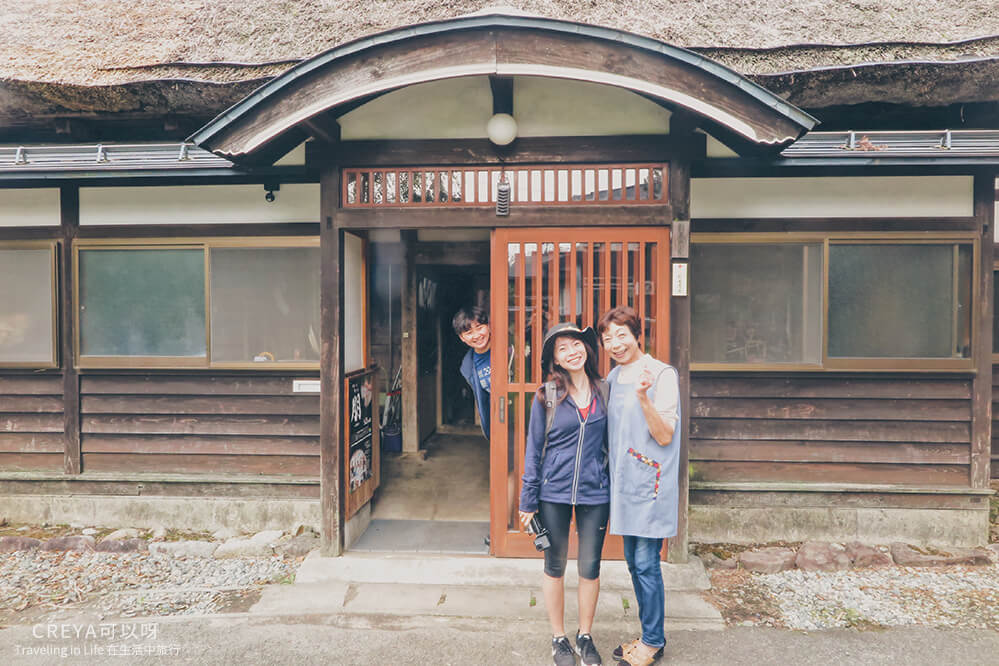
Over five days and four nights, I experienced a different local home and family cooking every evening. Sometimes I slept in a century-old wooden thatched house; sometimes I felt as if I had accidentally wandered into a family home full of grandparents and grandchildren; sometimes I helped a farm grandmother prepare ingredients. Whether at breakfast or dinner, the warm hosts worried we might still be hungry and filled the table with thoughtful dishes made from fresh food and crops from the garden, caring for our stomachs with the honest warmth of a visit to grandparents in the countryside.
Folk customs that bring a family together
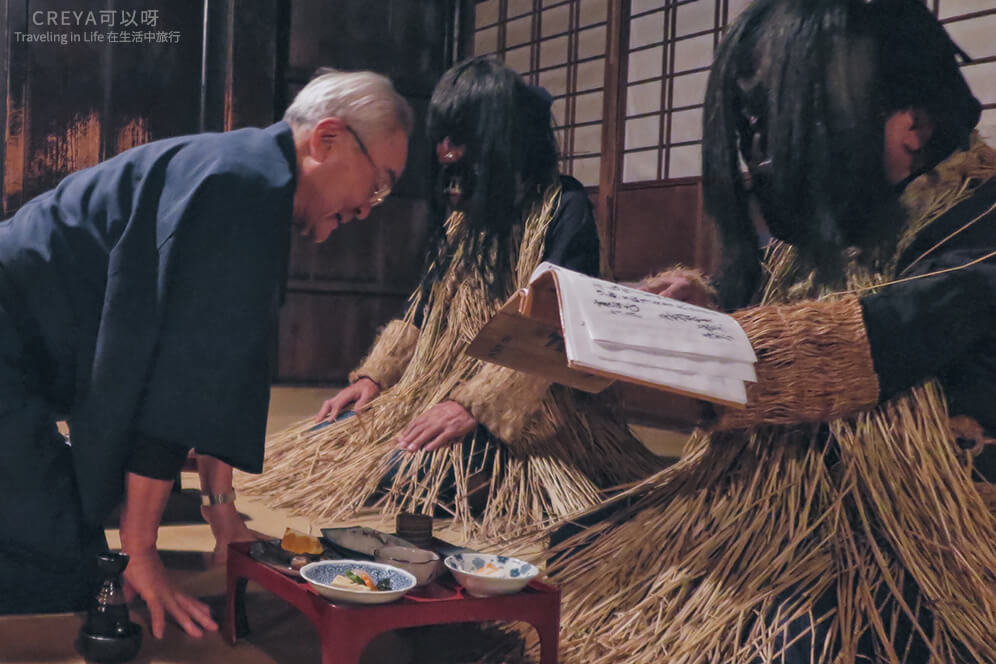
A sunken hearth (irori, also called a traditional earth hearth) surrounded by tatami mats is standard equipment in a century-old thatched house. In Akita’s heavy-snow country, it reminded me of the Namahage I saw at the Oga Peninsula Folklore Museum—a powerful folk belief glowing in the firelight.
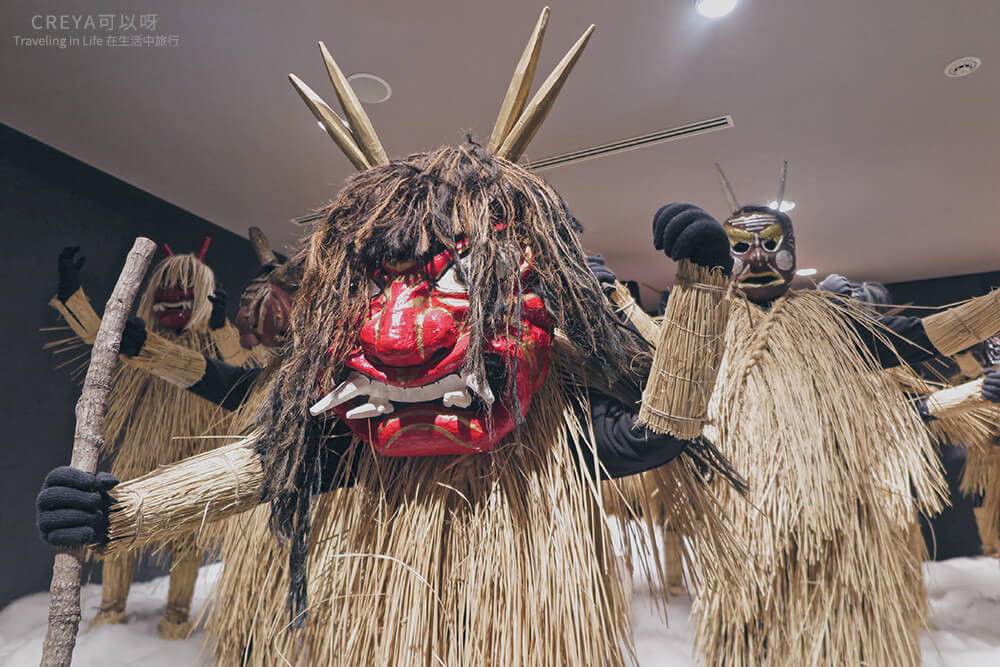
In winter, Akita residents naturally gather around the hearth for warmth. But if you sit there motionless all day, you may grow a red rash. On New Year’s Eve in the Oga area, a group of demon-like Namahage appears, going door to door and bursting into homes with blue faces and fangs. They search for crying, lazy, or ill-behaved women and children and drag them outside to be skinned—the ‘skin’ being the red rash said to represent laziness.
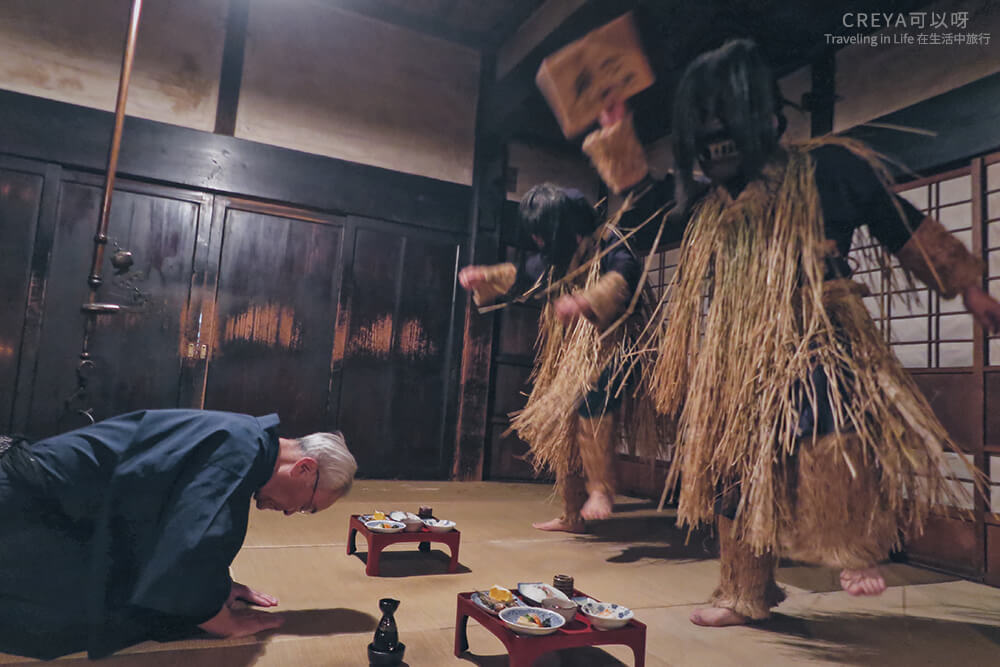
Of course, these Namahage are local residents wearing masks and straw costumes, not real demons, and no one is actually skinned. In Akita’s bitterly cold winters, people are vulnerable before nature, so folk rituals become important ceremonies and emotional anchors that bring families together and ease the fear of the unknown.
Hiking, cycling, and canoeing in Akita
Akita lives so closely with nature that you seem to wander into it without trying. Local people provide excellent options and equipment for living alongside it. Without realising it, I discovered I had used so many different ways to get to know Akita: hands, feet and stamina, and two wheels, playing from mountain to water and then into town.
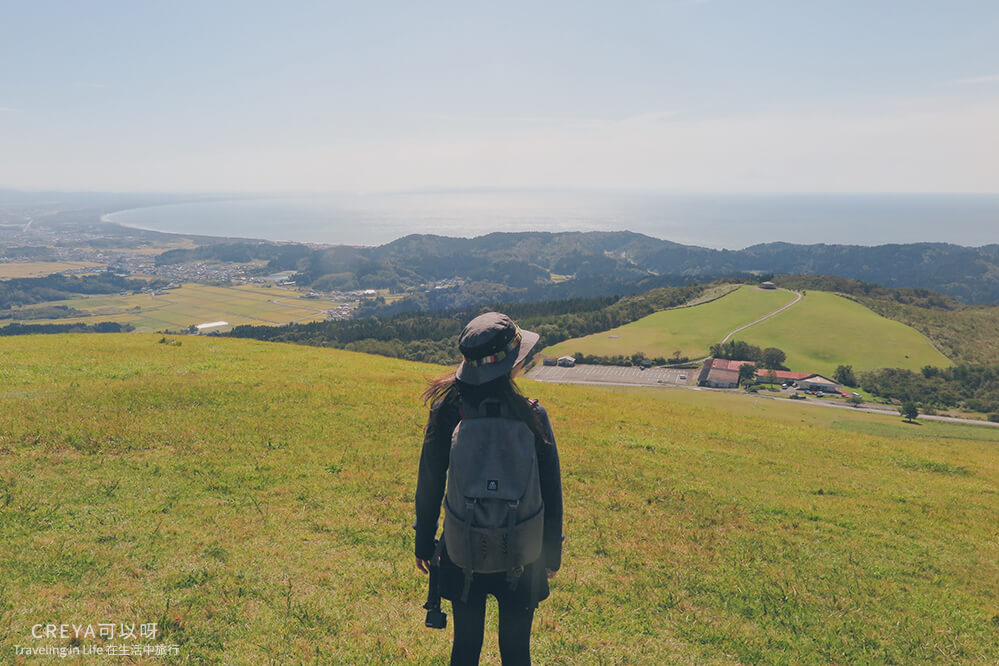
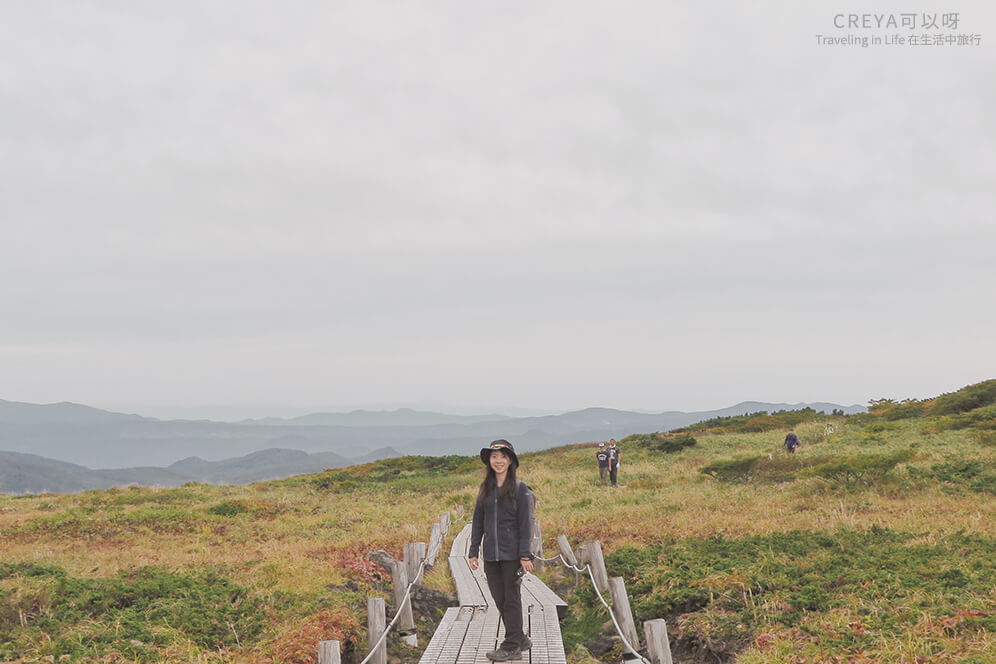
I walked a short stretch on Mount Komagatake, Akita’s highest peak. The trail’s broken volcanic rocks, large and small, expressed the personality of an active volcano, and every step demanded concentration. Whenever I paused and looked up, the huge landscape relaxed me completely. Mountains and towns spread out below, and although the one-way route is less than three kilometres, it climbs from the trailhead to the 1,535-metre pass and Amida Pond. It was a rich and entertaining walk.
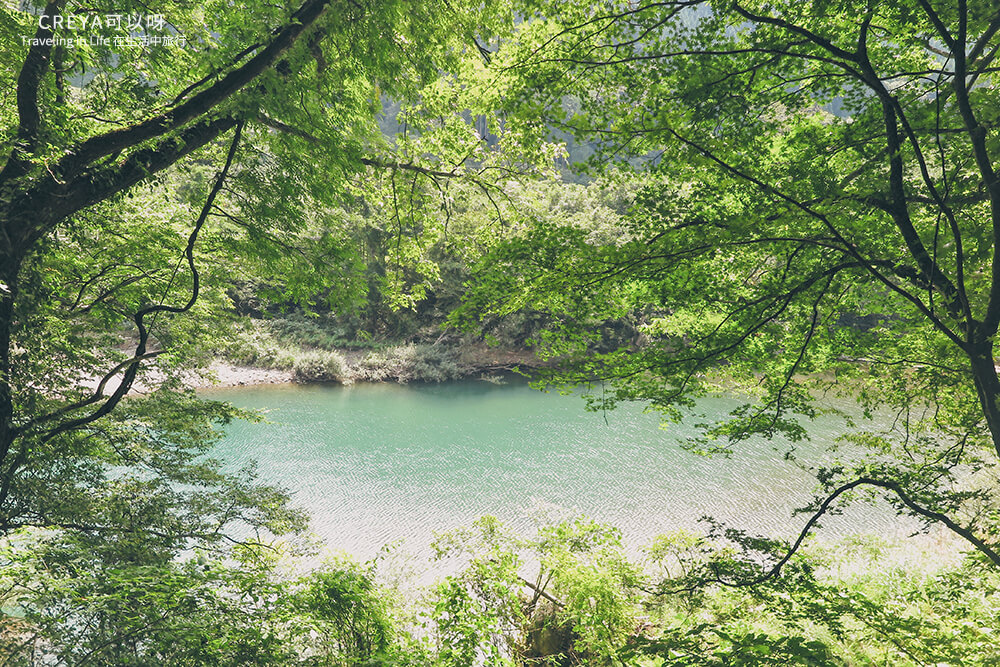
I wandered upstream along the Dakigaeri Gorge, weaving between clear ravines and tunnels and looking forward to every turn. Even when I reached the trail’s final destination, Mikaeri Waterfall, I did not want to turn back. The short 1.5-kilometre one-way route was overflowing with beautiful surprises.
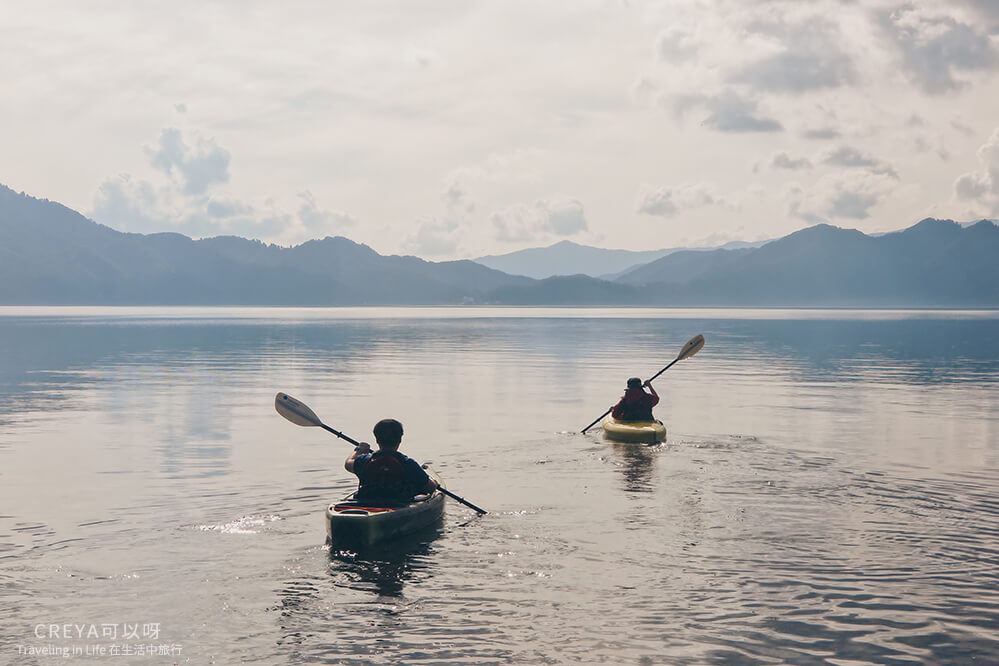
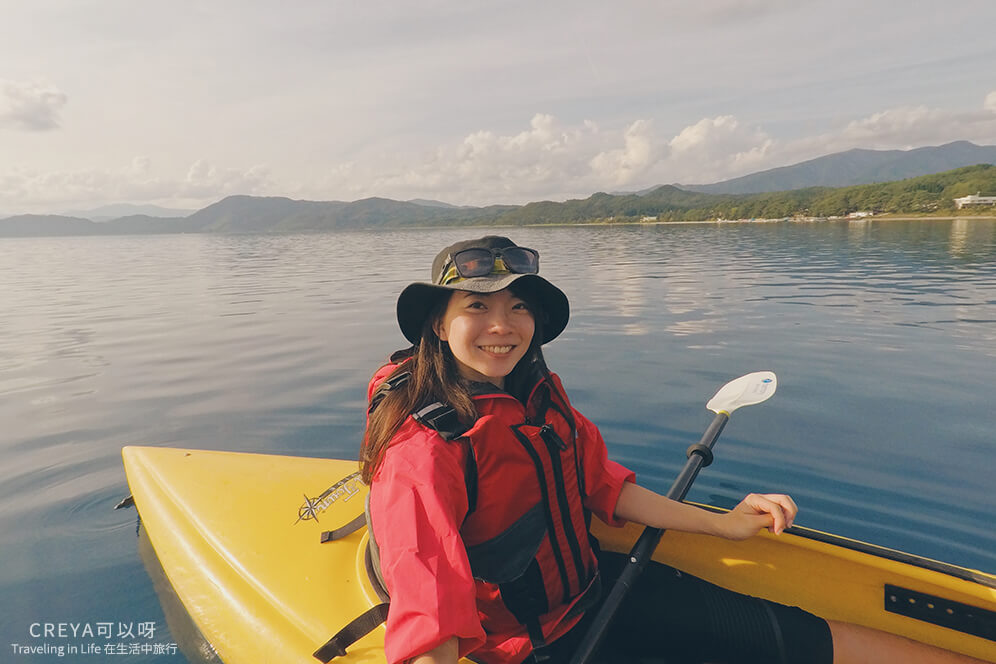
At Lake Tazawa, a popular destination in central Akita, I rocked the paddle left and right and kayaked into Japan’s deepest lake, escaping the noise of the tourist crowds. (This is where I met the most visitors in Akita, but even that crowd was roughly the same as a Taiwanese park on an ordinary weekday.) I lazily enjoyed the mountains surrounding the lake. The highest peak on the shore was Komagatake, which I had climbed before; from the water, I was seeing another side of it from a completely different angle.
After leaving the station, I rented a bicycle that was just as old-fashioned and wobbled through the samurai-residence streets of the Edo period. Historic buildings and dignified dark wooden walls slipped past. With a light breeze and tree shade overhead, I could stop for afternoon tea at a shop I liked or admire a cute Akita dog. Even in town, the ride was easy and cheerful.
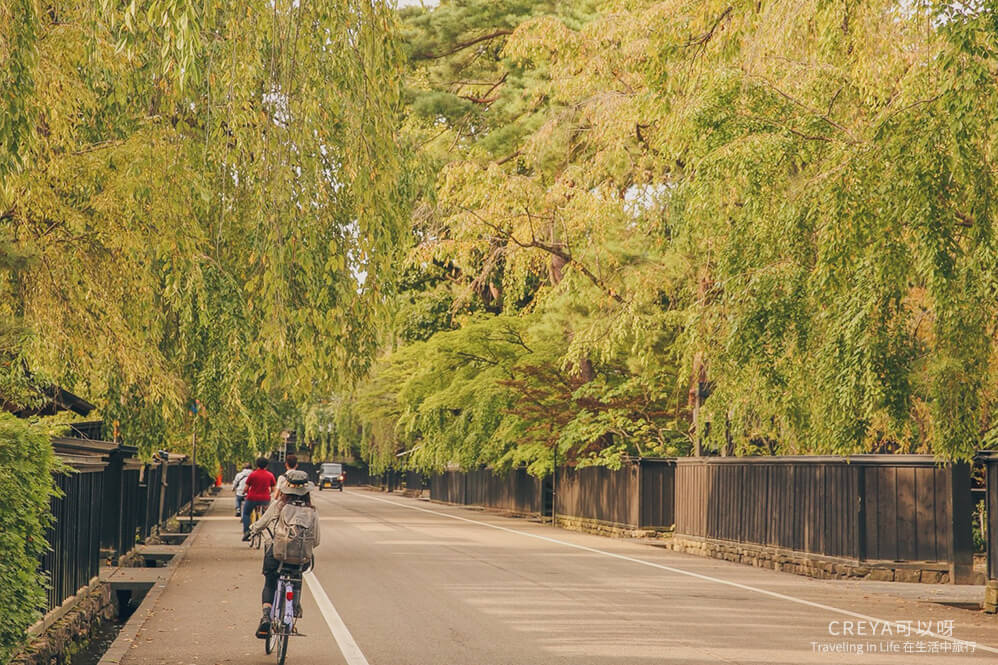
(Thanks to Beiko for taking and providing the photo.)
A hot-spring region in Yuzawa where heaven and hell coexist
My heart was healed. The physical fatigue from trains, hiking, and paddling was gently settled in the hot springs gifted by the earth.
We spent a night at a hot-spring ryokan in Yuzawa and took a shared taxi to explore the area’s unique geothermal scenery. First we entered the misty Oyasu Gorge for a dreamy, romantic little hike. Then, in the desolate landscape of Kawarage, isolated from the rest of the world, we felt both heaven and hell existing together in the same Yuzawa region.
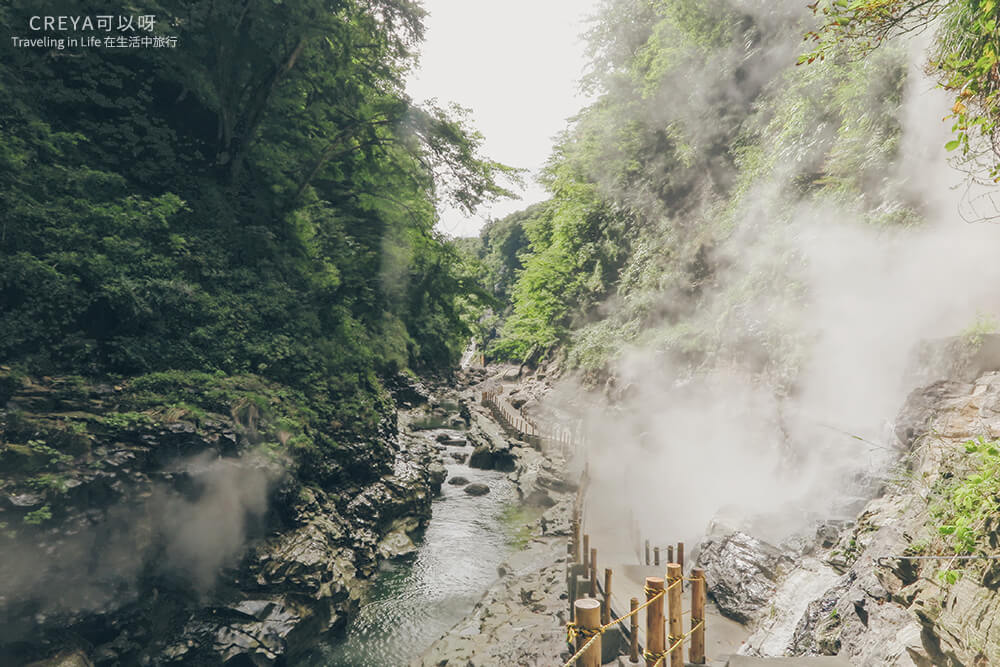
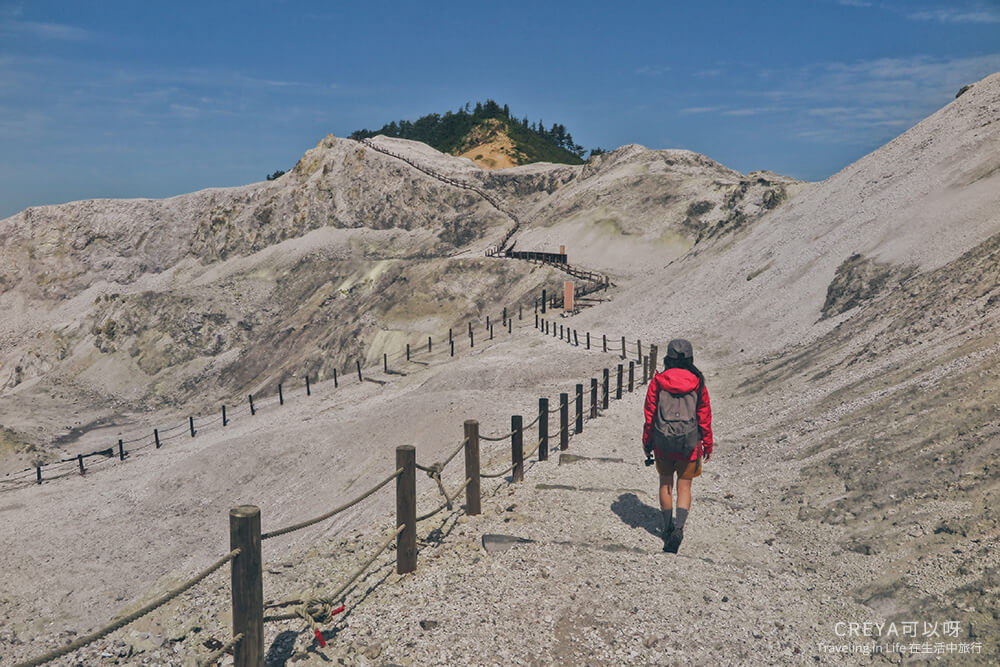
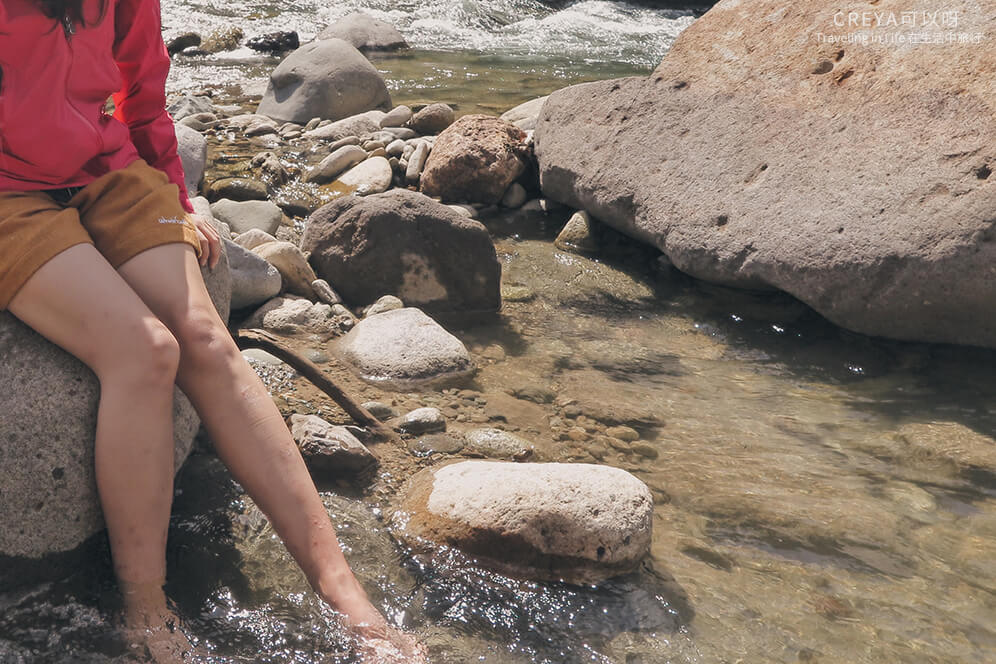
After descending, we reached a riverside hot spring in the Akinomiya area, dug out a little footbath of our own, and relaxed our tired feet. At that moment, this was my true heaven.
All of those are Akita’s colours
Akita Prefecture lies along the Sea of Japan on the western side of Tohoku in northern Honshu. It borders Aomori, the northernmost prefecture on Honshu, to the north; beyond that is Hokkaido.
In winter, the Sea of Japan monsoon brings heavy snow, and as much as 90% of the prefecture is designated a heavy-snowfall area. Akita also has the shortest winter daylight hours in Japan. Once the weather warms, the climate is cool and comfortable, and each distinct season brings its own scenery: pink cherry blossoms, emerald mountains, golden rice fields, valleys of red leaves, and silver-white snow. Visit at any time and you will see a different colour of Akita.
On this mid-September visit, I saw Akita in green and gold. It may be a quieter season that fewer people choose, which meant everywhere was calm and uncrowded and travelling felt wonderfully comfortable.
There is no single best season. Every trip has its own shape and memories. Gold is the colour of Akita in my mind.
For free official Akita information in Chinese and help planning your itinerary:Akita PapagoOr joinJapan Travel LINE community


