


After arriving in Australia on the first day, we wandered around the backpacker hostel and rested for the night. On day two, it was time to get down to business! The most important things to do when you first arrive in Australia are—buying a SIM card, opening a bank account, and applying for a tax file number.These are what you might call the three essentials for newcomers to Australia! (Some people also include getting a VISA Label, but I didn’t get mine until almost three months later—and I did it in Brisbane.) Of course, the sooner you get these things sorted out, the better, so we rushed around and finished them all in one day! That way, we could relax and move on to the next step—whether that was finding a job, travelling, or simply starting our new life here.
Some of these three tasks are connected. For example, you need a phone number to open a bank account, so it’s best to get your mobile service sorted out first. You also need an address when opening an account and applying for a tax file number, so actually—the very first step is to find a permanent, secure address where you can receive mail.。
1. Get an address
I had done my research before coming to Australia and learned that it was best not to have important documents sent to a backpacker hostel. For example, banks mail your debit card to you after you open an account. With so many people coming and going in a hostel, it would be a huge hassle if your mail went missing.
Post offices here also offer a service similar to Taiwan’s poste restante service. You have your mail sent to the post office, they hold it for you, and you collect it by showing your ID.Not every post office offers this service, though. The GPO (General Post Office) in each city usually does, but when we asked at the regular post office next to our Green House Backpacker—not a GPO—they offered it too! So we got the address of this post office conveniently located near our backpacker hostel and had all our mail sent there.
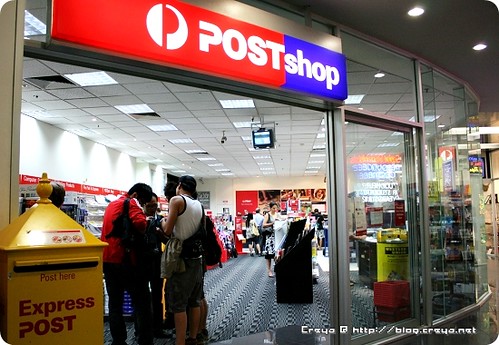
[ Australian post offices sell all kinds of things, almost like regular shops, which is why they’re called POST shops. ]
2. Buy a SIM card
By “buying a SIM card,” I mean getting a mobile number with a prepaid SIM. You can choose whichever provider you like. While researching in Taiwan, I had already decided to get two numbers: one with Optus, which practically every backpacker used, and another with cheaper rates for calling Taiwan and numbers on other networks. At the time, Lebara caught my eye (although Lebara later raised its prices dramatically, so I angrily switched providers). When we passed through ChinaTown, we spotted a temporary Lebara stall selling SIM cards, so everyone bought one. The woman at the stall even let us choose our phone numbers and activated the cards for us, saving us the trouble of doing it online ourselves—although activating one yourself isn’t difficult either.
Once our phone service was set up, we could give our numbers directly to the bank when opening our accounts. You could probably still open an account without a phone number, but you would have to make another trip later to provide it.
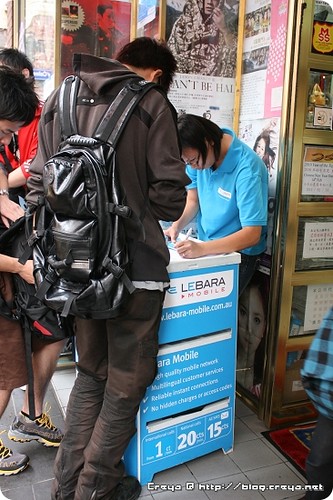
[ Lebara’s temporary stall in Melbourne’s ChinaTown ]
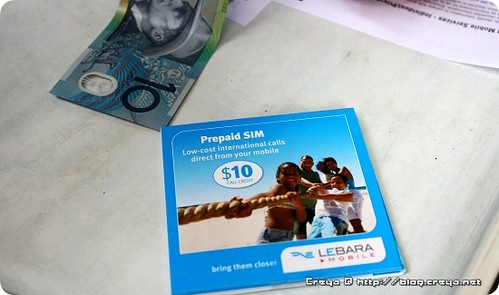
[ The $10 SIM card included $10 of credit. ]
3. Open a bank account
Back in Taiwan, I had also done plenty of research into which bank to choose. I originally planned to open an account with NAB because it had no monthly fee and a decent number of ATMs. ANZ, by comparison, was the biggest bank and had the most ATMs, but its accounts charged monthly fees.
However, our friend VIC took us to this ANZ branch in China Town to meet a banker named Jason, who had previously opened VIC’s account. Jason let all of usapply as students.As long as we qualified as students, wedidn’t have to pay a monthly fee.We could sign up for a plan that normally cost $6 per month and also get a Debit Card. Compared with that, NAB no longer seemed to offer any particular advantage, while ANZ still had more ATMs, so we opened ANZ accounts on the spot! Jason was Malaysian and spoke Mandarin, so communication was no problem. I didn’t get to practise my banking English, XD, but thank goodness everything was explained in Chinese. It allowed complete beginners like us, with our equally beginner-level English, to open our accounts without any trouble. Jason was genuinely kind and helpful. He carefully explained all the plans and details, taught us how to use online banking, and even took us to deposit our first funds, including our traveller’s cheques and bank drafts. He saved us from having to worry about so many things.If Melbourne is your first stop, I recommend finding Jason to open your account!
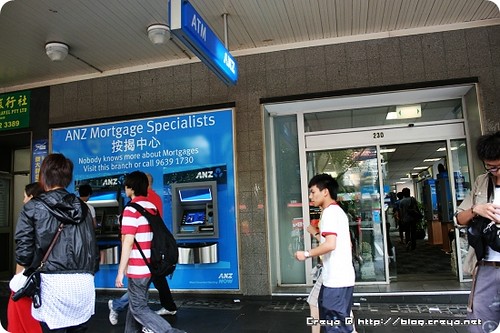
[ The ANZ branch in China Town—even the entrance had Chinese signage. ]
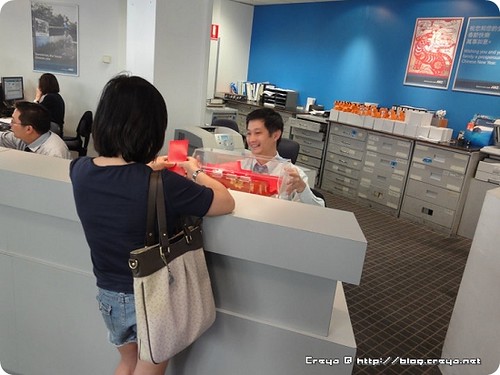
[ This is Jason! If nothing has changed, he sits at the row of desks near the entrance. ]
4. Apply for a tax file number
Once you have an address where you can receive mail and a mobile number, you can apply for a tax file number. You can apply on paper or online. We chose to do it online, so we could do it Anytime! Ha! After spending the day taking care of everything above, we simply had dinner and then sat down at the computer that evening to apply for our tax file numbers. We managed to get everything sorted out smoothly in a single day!
*Detailed guide to applying for a tax file number:How to Apply for a Tax File Number Online – Step-by-Step Guide to Applying for an Australian Individual Tax File Number (Illustrated Tutorial)
The money we had brought was safely deposited in the bank, we had phone numbers for making friends and calling Taiwan to let everyone know we were safe, and our tax file number applications had been submitted online and were awaiting approval. Everything was off to a smooth start! Now we could relax and begin planning the next stage of our journey. Tomorrow, it’s time to explore Melbourne!


